

In today’s digital-first world, interactive technologies are rapidly reshaping how we teach, present, and work together. At the heart of this transformation are interactive flat panel displays—large-format touchscreen screens that merge visual clarity, intuitive interaction, and powerful built-in tools into a single intelligent display solution. Designed to replace dated projectors, static whiteboards, and fragmented device setups, interactive flat panels have become essential for modern classrooms, corporate meeting rooms, training centers, and collaborative spaces across industries.
What Are Interactive Flat Panel Displays?
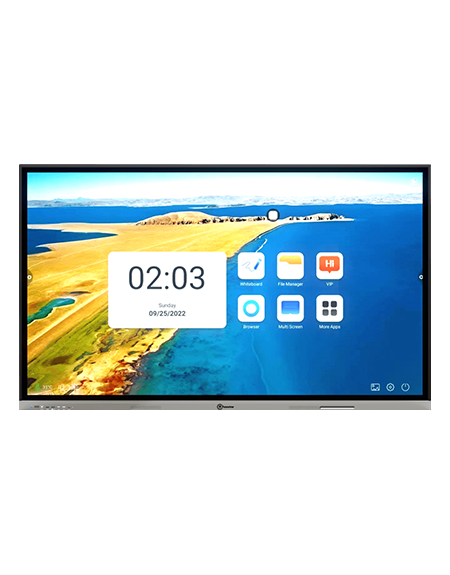
An interactive flat panel display (often abbreviated as IFP or IFPD) is essentially a giant touchscreen computer that behaves like a digital whiteboard, tablet, presentation system, and collaboration hub all in one. Unlike traditional boards or screens, these panels allow users to interact directly with the content using finger touch, stylus input, gestures, and multi-touch capabilities. This lets teachers, presenters, and team members write, draw, annotate, move objects, and manipulate digital content in real time, delivering a more engaging and dynamic experience.
Most advanced flat panels operate on robust systems like Android or Windows, and integrate connectivity options such as HDMI, USB, wireless screen-sharing, and cloud integration to support seamless device interfacing and content sharing.
Core Features That Make Interactive Panels Stand Out
1. Stunning Visual Clarity
Interactive flat panels are typically equipped with 4K Ultra HD resolution, ensuring crisp visuals, vibrant color reproduction, and wide viewing angles that enhance readability and immersion for audiences of all sizes. With technologies such as zero-gap bonding, the display surface and touch glass sit close together, reducing parallax and glare to create a true writing-on-glass experience.
2. Ultra-Responsive Touch Interaction
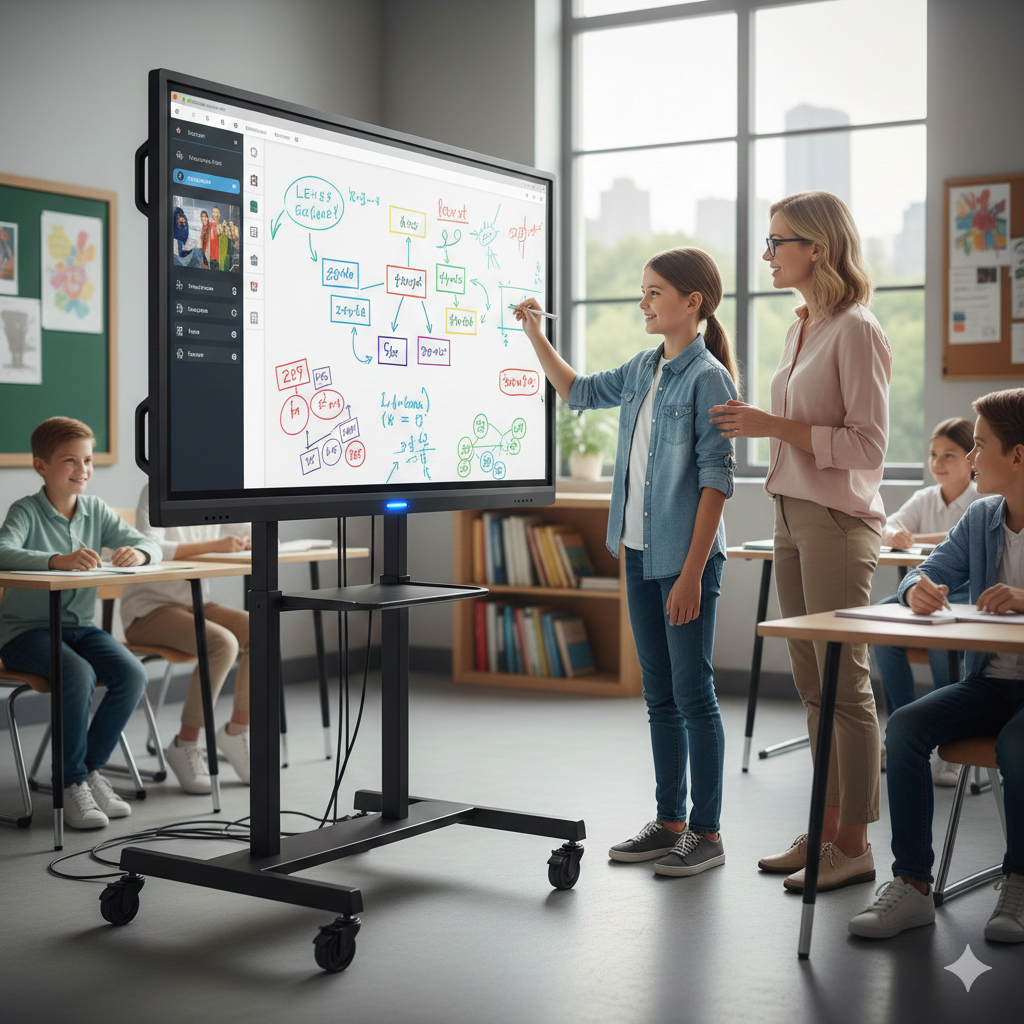
Modern panels support multi-touch input, meaning multiple users can interact with the screen at the same time. Whether it’s students collaborating on a science diagram or corporate teams brainstorming ideas, the responsiveness and precision of these touchscreens provide a natural, lag-free interaction that mimics writing on paper. Advanced sensors also enable handwriting recognition and conversion to text, further enhancing usability.
3. Built-In Collaboration Tools
Built-in software features—such as dual-color whiteboards, multi-window function, split-screen modes, real-time annotation tools, and voting or polling applications—turn flat panels into collaborative hubs rather than just display devices. These tools help users organize content, interact with digital resources, and present complex information more effectively without needing additional hardware.
4. Advanced Connectivity
Seamless connectivity is a hallmark of interactive flat panels. They support modern wireless standards, dual-band networking, screen mirroring from laptops and mobile devices, and integration with cloud storage platforms. This ensures that presenters and educators can access, share, and collaborate on content from virtually anywhere.
5. Enhanced Security and Reliability
High-quality interactive panels include features such as anti-glare, anti-scratch, and anti-collision toughened glass, secure user authentication, and built-in device management systems that make installation, maintenance, and security both robust and manageable.
Why Interactive Panels Are Revolutionizing Classrooms
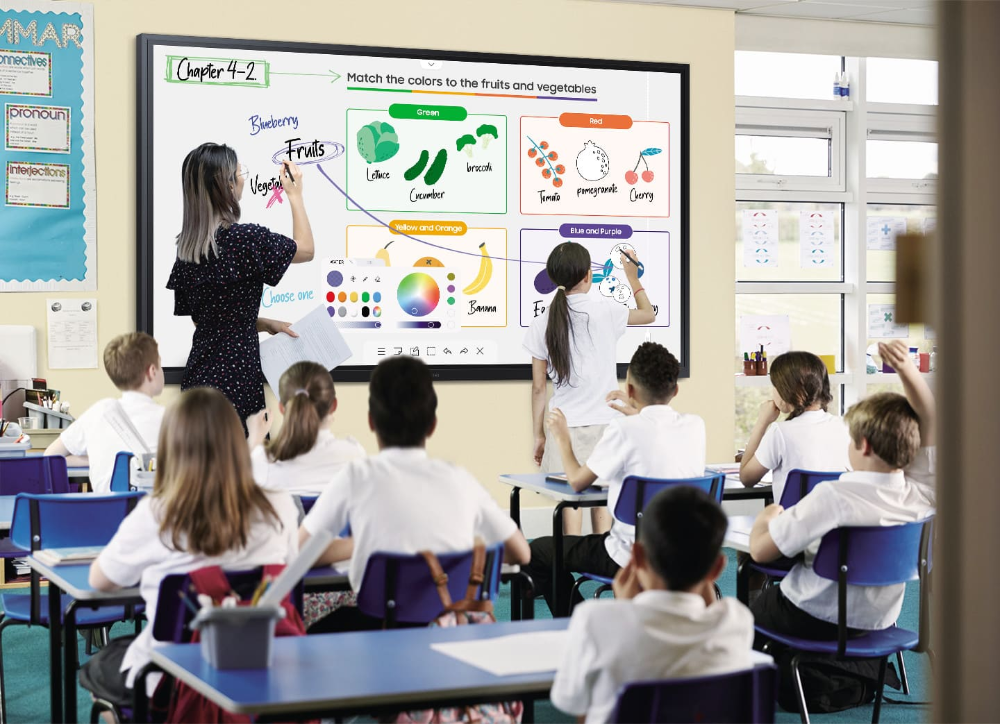
In education, interactive flat panels are more than just a high-tech replacement for projectors or traditional whiteboards—they are tools that fundamentally enhance the learning experience. Interactive displays boost student engagement, collaboration, and retention by inviting learners to participate directly in activities rather than passively consuming information on a static board.
Teachers can present multimedia content such as videos, images, and diagrams, annotate in real time, and instantly save or share notes with students. Because interactive flat panels allow multiple students to interact at once, group activities become more dynamic and inclusive. In hybrid classrooms, built-in connectivity bridges remote and in-person learners, ensuring everyone sees, hears, and interacts with the same material simultaneously.
Enhancing Productivity in Workplaces
Beyond education, interactive flat panel displays are invaluable in corporate environments. They transform meetings from passive slide presentations into active collaboration sessions. Instead of juggling laptops, projectors, and whiteboards, teams can brainstorm directly on screen, annotate business models, share live documents, and present multimedia content with ease.
For remote and hybrid teams, these displays support video conferencing platforms and wireless screen sharing, making it easier to bring dispersed teams together. With everything from real-time editing to cloud access built in, decision-making becomes faster and more efficient, supporting agile business workflows.
Applications Across Diverse Sectors
While classrooms and offices are the most common environments, interactive flat panels are used across a wide range of industries:
Healthcare: High-resolution panels support detailed displays for medical images and diagnostics, enabling clearer communication between medical professionals and patients.
Hospitality and Retail: Panels are used for digital signage, guest information displays, and interactive product showcases that enhance customer engagement and streamline service delivery.
Training Centers: Interactive screens improve training sessions by making content hands-on and immersive, especially in technical and professional skill development.
Future Trends and the Growing Importance of Interactive Displays
As digital learning and remote collaboration continue to grow, interactive flat panels are becoming indispensable tools for organizations that want to remain competitive and adaptable. With advancements such as cloud-based management, remote updates, and real-time content sharing, the potential for these interactive displays extends far beyond traditional use cases. Investing in interactive flat panel technology today helps future-proof classrooms, meeting rooms, and collaborative environments for years to come.