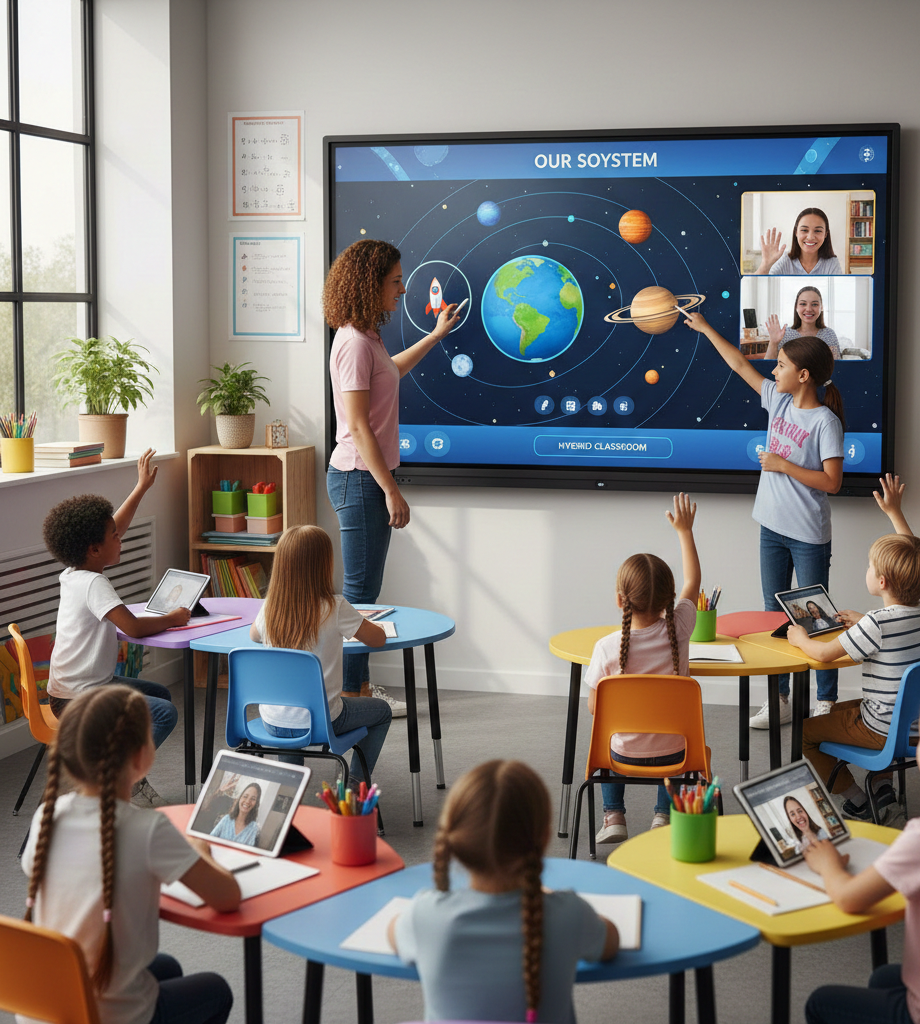


In the rapidly changing world of education, technology isn’t just a bonus anymore — it’s becoming essential. Modern classrooms are evolving beyond chalkboards and projectors into intelligent learning spaces where artificial intelligence (AI) supports both teachers and students. One such classroom-centric innovation brings together AI-powered tools designed to enhance instruction, personalize learning, and streamline administrative tasks — all while being secure, intuitive, and usable even offline.
At its core, this AI-driven solution is built around empowering educators. Traditional lesson planning, content creation, and student assessment can take hours, especially when teachers are juggling multiple classes and varied learning abilities. AI steps in as an assistant that helps automate these tasks, enabling faster lesson generation, intelligent note creation, and personalized instructional materials. Educators can generate practice questions, summaries, and interactive activities in seconds, dramatically reducing preparation time and allowing them to focus on meaningful classroom engagement.
One of the standout features lies in how this approach supports adaptive and inclusive learning. Rather than offering a one-size-fits-all curriculum, the system tailors content to individual students’ progress and needs. If a learner is struggling with a concept, it can provide step-by-step explanations and alternative representations — from diagrams to 3D visuals. Conversely, advanced learners can receive enriched material that challenges them further. This dynamic adaptability helps ensure that students of all levels stay engaged and supported.
Smarter Learning Experiences Through Interactive Tools
Beyond just text generation, modern AI tools include interactive elements that make lessons more engaging. Features such as mind-mapping tools, visual aids, and real-time interpretation of complex concepts help students understand abstract ideas in a more concrete way. Students aren’t just passive listeners; they become active participants, working collaboratively on shared screens or exploring content through gamified learning elements that feel natural and intuitive.
Multilingual support also opens new doors for classrooms with diverse language needs. With the ability to generate content and explanations in multiple languages, educators can ensure that language barriers don’t hinder learning. This broad language support fosters inclusivity and helps reach students who may otherwise feel left behind in more rigid teaching environments.
An important benefit of this system is its offline readiness and security. Not all schools have consistent internet access, so having tools that function without continuous connectivity is a practical advantage. Additionally, robust privacy safeguards protect student data and institutional information, addressing one of the major concerns schools face when adopting digital tools.
Preparing Students for an AI-Rich Future
AI literacy isn’t just for teachers; students also benefit by becoming familiar with intelligent tools themselves. The system includes features that introduce coding basics and AI concepts, helping learners build future-ready skills from an early age. Classrooms become not only spaces for academic learning but launchpads for developing technological fluency and critical thinking, which are increasingly important for success in tomorrow’s workforce.
In practical classroom use, this translates to more than just efficiency — it fosters a learning environment where curiosity and collaboration thrive. Students can receive instant feedback, visualize problems through immersive tools, or engage in group work with real-time collaboration features. Teachers, in turn, can monitor progress with rich insights and intervene when needed, making instructional decisions backed by data rather than guesswork.
Challenges and Thoughtful Implementation
While the benefits are compelling, integrating AI isn’t without challenges. Schools must think carefully about issues like equitable access, fair use policies, and the ethical implications of automated instruction. Ensuring that all students have access to the technology is crucial — otherwise, the digital divide may widen instead of narrow. Thoughtful teacher training and ongoing support are also vital to ensure these tools are used effectively rather than superficially.
Conclusion
AI has the potential to reshape the AI for classroom into an intelligent, responsive learning environment that supports educators and students alike. With tools that automate planning, personalize engagement, and foster interactive experiences, educators can spend more time inspiring and less time preparing. In doing so, they are helping students not just learn subject matter, but gain confidence and skills for an AI-driven future.