


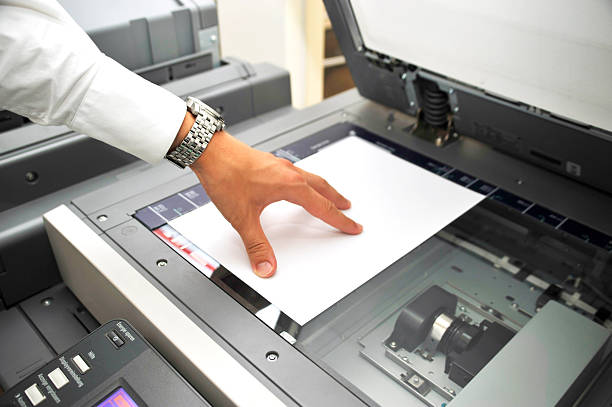
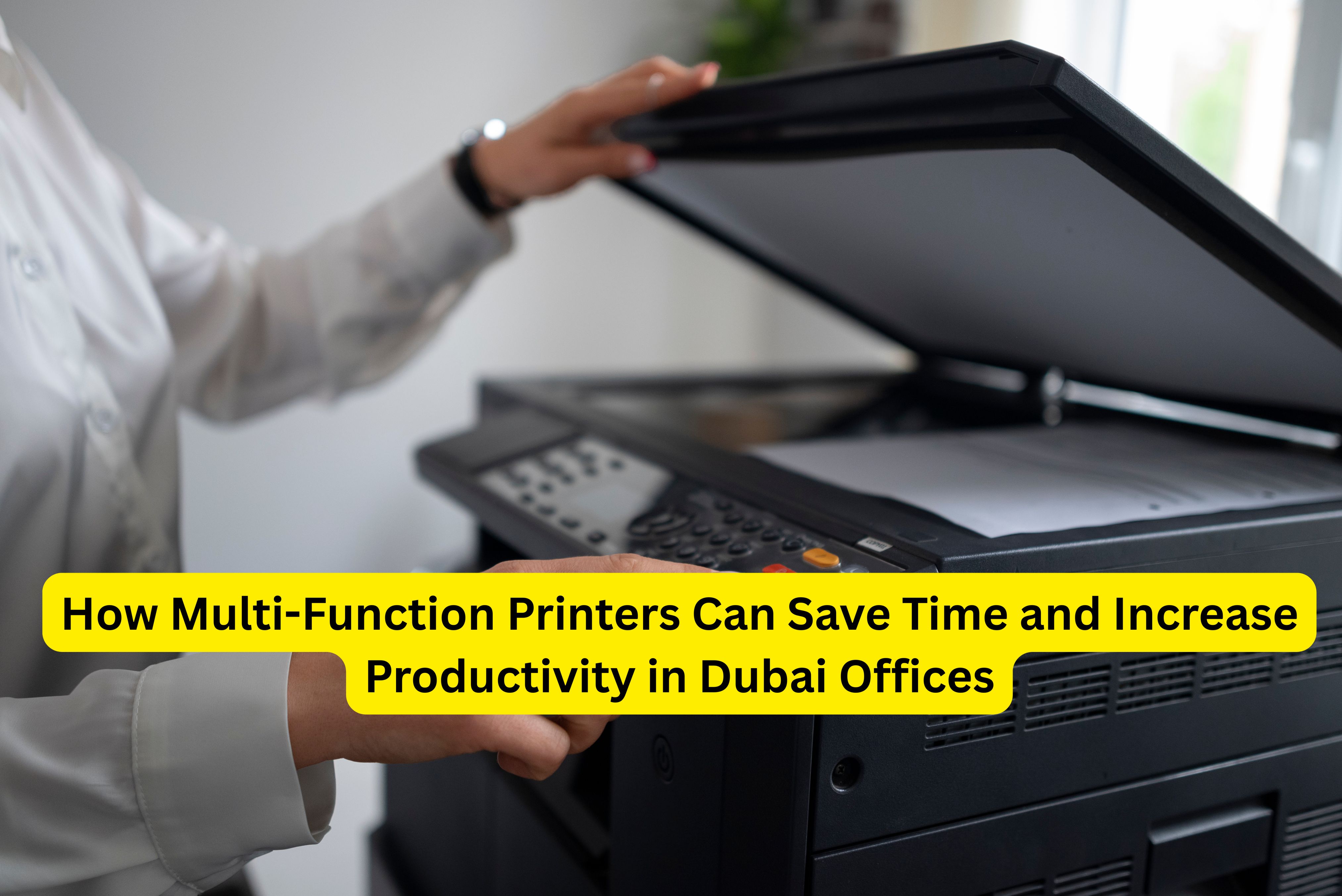
In today’s fast-paced business environment, efficiency, cost-effectiveness, and streamlined workflows are critical for companies of all sizes. One technology that has become indispensable in modern offices is the Multifunction Printer (MFP). Unlike traditional printers, MFPs combine multiple functionalities into a single device—printing, scanning, copying, and often faxing. These all-in-one machines are transforming the way offices operate, enhancing productivity, and reducing operational costs.
1. Space-Saving and Reduced Clutter
Office space is a premium, and reducing clutter is essential for maintaining an organized environment. Traditionally, companies would have separate machines for printing, scanning, copying, and faxing, each occupying valuable desk or floor space. MFPs consolidate all these functions into one device, freeing up room for employees and other essential office equipment.
This space-saving aspect not only contributes to a cleaner, more organized workspace but also supports collaboration. Employees can access multiple functions from a central machine rather than having to move between devices scattered around the office.
2. Cost Efficiency
Investing in multiple devices for different office tasks can be expensive—not only in terms of initial purchase but also maintenance, repair, and consumables like toner and paper. MFPs provide a cost-effective solution by combining functionalities, reducing the need for multiple machines.
Moreover, MFPs typically have features such as duplex printing (printing on both sides of the paper) and energy-saving modes, which help reduce both paper and electricity consumption. Over time, these efficiencies translate into significant cost savings for the company, making MFPs an economically smart choice.
3. Enhanced Productivity and Workflow
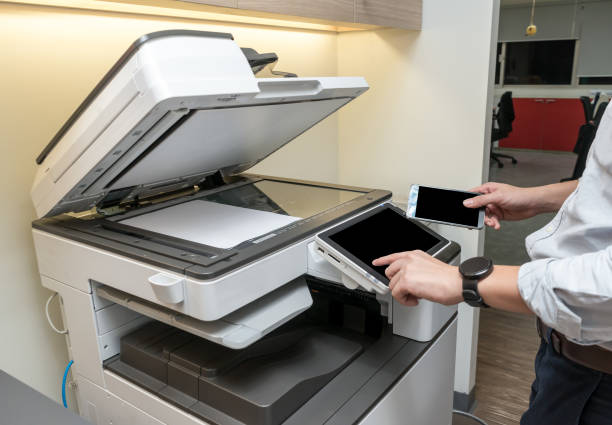
Modern MFPs are designed to streamline office workflows. Employees can complete multiple tasks from a single device—scanning a document and sending it via email, copying pages for internal distribution, or printing large volumes quickly and efficiently. Many MFPs also feature network connectivity, enabling multiple users to access the machine simultaneously without bottlenecks.
Advanced MFPs often include automatic document feeders (ADF) and high-speed scanning, which drastically reduce the time spent on repetitive tasks. This improved productivity allows staff to focus on more strategic, high-value work, rather than spending excessive time on manual document handling.
4. High-Quality Output
One common misconception is that MFPs compromise on quality due to their multifunctionality. In reality, modern MFPs offer professional-grade printing and scanning capabilities. Whether you need high-resolution prints for presentations, detailed scans for digital archiving, or accurate color reproduction for marketing materials, MFPs can deliver consistent and high-quality results.
Additionally, many MFPs are equipped with advanced image processing technologies that enhance clarity and sharpness, ensuring that both printed and scanned documents meet professional standards.
5. Improved Document Management
In today’s digital-first offices, managing documents efficiently is more important than ever. MFPs simplify document management by enabling digital scanning and direct file storage to computers, servers, or cloud-based platforms. This eliminates the need for physical storage, reduces paper clutter, and makes document retrieval faster and easier.
Features like optical character recognition (OCR) further enhance document management by converting scanned documents into editable, searchable files. This capability is particularly beneficial for legal, accounting, and administrative departments, where quick access to accurate documents is essential.
6. Eco-Friendly Operations
Sustainability has become a key consideration for modern businesses, and MFPs contribute to environmentally friendly office practices. By consolidating multiple devices into one, MFPs reduce the overall energy consumption and carbon footprint of the office.
Many MFPs also offer eco modes, which reduce toner usage and paper waste, and some models are designed with recyclable components. Businesses that prioritize sustainability can also benefit from MFPs that integrate with digital document management systems, further reducing reliance on paper.
7. Enhanced Security Features
In an age where data breaches and information leaks are increasingly common, office security is critical. MFPs come equipped with a range of security features, including user authentication, secure printing, and encrypted document transmission.
User authentication ensures that only authorized personnel can access sensitive documents, while secure printing prevents confidential files from being left unattended on the printer tray. For organizations handling sensitive information—such as legal firms, healthcare providers, or financial institutions—these security features are invaluable in maintaining compliance and protecting data.
8. Flexibility and Integration
MFPs offer flexibility that traditional single-function devices cannot match. They can integrate seamlessly with office networks, cloud storage solutions, and mobile devices, allowing employees to print or scan documents from virtually anywhere.
Mobile printing and scanning are particularly beneficial in hybrid work environments, where employees may need to work from home or on the go. With features like Wi-Fi connectivity, email-to-print, and app-based scanning, MFPs ensure that workflows remain uninterrupted regardless of location.
9. Simplified Maintenance and Support
Maintaining multiple office devices can be a logistical challenge, often requiring separate service contracts and consumables for each machine. MFPs simplify maintenance because one service provider can manage the upkeep of all functions.
Many modern MFPs also feature automatic alerts for low toner, maintenance needs, or system errors, allowing office managers to address issues proactively before they disrupt workflows. This reduces downtime and ensures the office continues running smoothly.
10. Scalability for Growing Businesses
As businesses expand, their printing and document management needs also grow. MFPs are inherently scalable solutions. They can handle increased print volumes, support additional users, and integrate with new digital systems as required.
This scalability makes MFPs a smart long-term investment, ensuring that companies can adapt to changing business demands without constantly purchasing new devices.
Conclusion
Multifunction printers have evolved far beyond simple office printers. Today’s MFPs are versatile, efficient, and capable of enhancing nearly every aspect of office operations—from printing and scanning to document management, security, and sustainability. They save space, reduce costs, increase productivity, and provide a level of flexibility that traditional single-function devices cannot match.
For businesses looking to modernize their office environment, streamline workflows, and support digital transformation, investing in a multifunction printer is no longer just an option—it’s a strategic necessity. Whether you run a small office or a large enterprise, an MFP can be the central hub that keeps your operations efficient, secure, and future-ready.
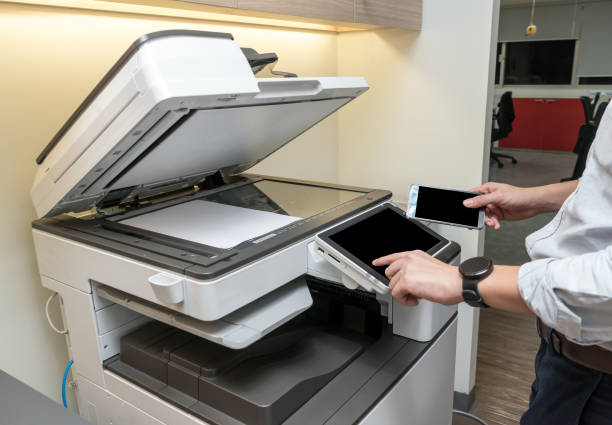
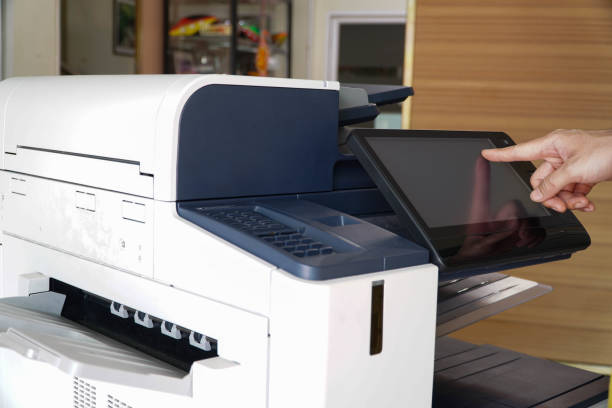
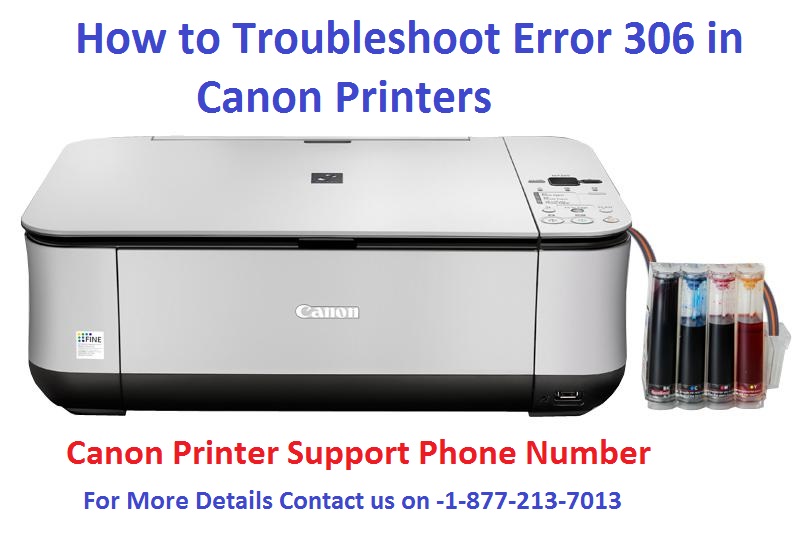
Canon printers are considered to be the most popular printers available in the market today.
They are highly reliable as well as durable printers.
There are various types of Canon printers such as Inkjet Printers, Multifunction Printers, Mac Printers, Portable Printers, Canon PIXMA MP490 Multifunction Printer, Canon MP560 All-in-one Inkjet Printer, etc.
You may encounter many issues that are referred to as error codes.
Among various types of Error codes, Error 306 is the most common error which hinders the performance of your printer.
Technical Errors are always hard to manage.