



Intrusive thoughts can be unsettling, confusing, and deeply distressing. For many individuals living with obsessive-compulsive disorder, these unwanted thoughts feel impossible to control and often lead to cycles of anxiety and compulsive behaviors. Accessing effective OCD Treatment in NY is a critical step toward understanding these thoughts, reducing their impact, and restoring a sense of control over daily life.
Intrusive thoughts are more common than many people realize, but when they become persistent and disruptive, professional support becomes essential.
Understanding Intrusive Thoughts in OCD
Intrusive thoughts are unwanted, involuntary thoughts, images, or urges that can feel disturbing or alarming. In OCD, these thoughts tend to repeat and carry intense emotional weight, often triggering fear, guilt, or anxiety.
Common themes include:
Fear of causing harm
Contamination concerns
Unwanted aggressive or sexual thoughts
Religious or moral doubts
Excessive need for certainty or reassurance
What distinguishes OCD is not the presence of intrusive thoughts alone, but the meaning assigned to them and the compulsive behaviors used to neutralize distress.
Why Intrusive Thoughts Persist Without Treatment
Intrusive thoughts become more powerful when individuals attempt to suppress, avoid, or neutralize them. Common responses include:
Mental checking or reassurance-seeking
Repeating phrases or prayers
Avoiding triggers
Seeking constant validation from others
While these behaviors may provide temporary relief, they reinforce the OCD cycle and strengthen the brain’s response to fear. This is why structured OCD treatment is essential for long-term improvement.
How OCD Treatment in NY Addresses Intrusive Thoughts
Effective OCD treatment focuses on changing the relationship with intrusive thoughts rather than eliminating them entirely. Licensed clinicians help patients learn that thoughts are not actions and do not define intent or character.
Treatment typically includes:
Education about OCD and intrusive thoughts
Identification of thought patterns and triggers
Reducing compulsive responses
Building tolerance to uncertainty
Developing healthier coping strategies
This approach helps weaken the fear response over time.
Evidence-Based Therapies for Managing Intrusive Thoughts
Exposure and Response Prevention (ERP)
ERP is the most effective therapy for OCD and is especially powerful for intrusive thoughts. It involves:
Gradual exposure to feared thoughts or images
Refraining from compulsive behaviors or mental rituals
Allowing anxiety to rise and fall naturally
Learning that distress decreases without compulsions
Over time, the brain learns that intrusive thoughts are not dangerous and do not require action.
Cognitive Behavioral Therapy (CBT)
CBT supports ERP by helping individuals:
Identify distorted thinking patterns
Challenge beliefs about responsibility and control
Reduce thought suppression
Build emotional regulation skills
CBT helps patients reinterpret intrusive thoughts in a more balanced, realistic way.
Medication as Part of Treatment
For some individuals, medication such as SSRIs may help reduce the intensity of intrusive thoughts. Medication is often used alongside therapy rather than as a standalone solution and is carefully monitored by licensed providers.
Working With Qualified OCD Specialists
Managing intrusive thoughts requires specialized training and experience. Providers skilled in OCD treatment understand how to guide patients through exposure work without reinforcing compulsions.
Many individuals benefit from working with OCD Treatment Licensed Therapists who are trained in evidence-based interventions and understand the nuanced nature of intrusive thoughts.
Choosing the right clinician can significantly impact treatment outcomes.
What Progress Looks Like Over Time
Recovery from intrusive thoughts is not about making thoughts disappear. Instead, progress often includes:
Reduced emotional reaction to intrusive thoughts
Decreased urge to engage in compulsions
Increased ability to tolerate uncertainty
Improved daily functioning
Greater confidence in managing anxiety
Setbacks are normal, and progress tends to be gradual. Consistency and collaboration are key.
Common Myths About Intrusive Thoughts
Many people delay treatment due to misconceptions, such as:
“Having these thoughts means I want them”
“I should be able to control my thoughts”
“Talking about these thoughts will make them worse”
OCD treatment helps dismantle these myths and replace them with accurate, compassionate understanding.
The Importance of Early and Ongoing Care
Left untreated, intrusive thoughts can expand into more areas of life and increase emotional distress. Early intervention can:
Reduce symptom severity
Prevent symptom generalization
Improve long-term outcomes
Support overall mental well-being
Even individuals who have lived with OCD for years can benefit from evidence-based treatment.
Building Skills Beyond Therapy Sessions
Effective OCD treatment also focuses on applying skills outside of therapy. Patients learn how to:
Respond differently to intrusive thoughts in daily life
Practice exposure exercises independently
Reduce reassurance-seeking behaviors
Maintain progress during stressful periods
These skills empower individuals to manage symptoms long-term.
Taking the First Step Toward Relief
Intrusive thoughts can feel isolating, but effective treatment is available. With professional guidance, individuals can learn to respond differently to their thoughts and reduce the power OCD holds over their lives.
For those seeking structured, evidence-based support, Serenity Telehealth offers licensed OCD treatment in NY designed to help individuals manage intrusive thoughts effectively while building long-term resilience and confidence.




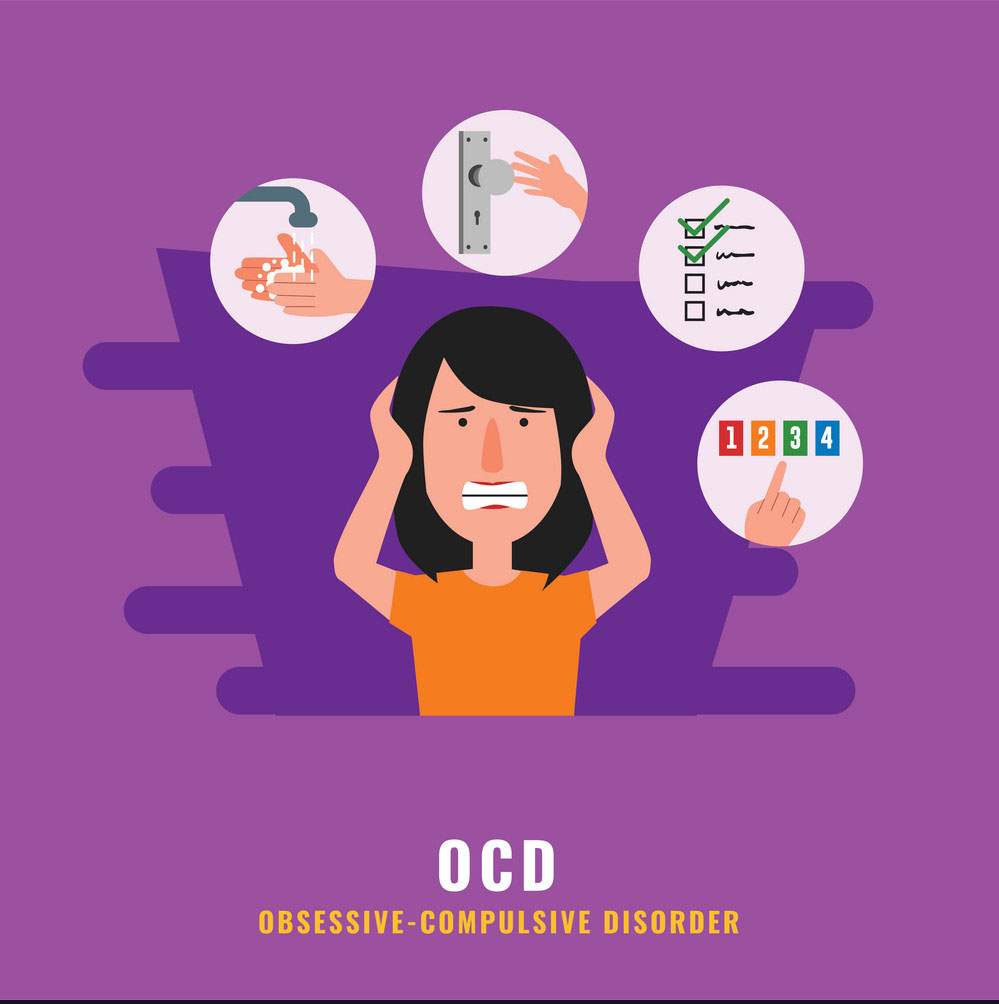
In the event that your youngster is experiencing OCD or Obsessive Compulsive Disorder, at that point consider the way that the person isn't the only one.
As per the current measurable investigation, you would found that approx.
one in per 100 kids are experiencing OCD, which implies that there are a great many youngsters over the world who are experiencing OCD.As a parent you ought to comprehend that OCD isn't the stage that you're kid should get going through.
Likewise, it's not their shortcoming that they are experiencing OCD.
It is a neurobiological issue, which suggests that the mind of the OCD sufferer works uniquely in contrast to the cerebrum of a kid who doesn't have OCD.
On the off chance that you begin to see a portion of the side effects of OCD in your kid, at that point it is fundamental that you consider OCD treatment in Bhopal without burning through a lot of time.What might be the manifestations of OCD in your youngster?Recurring apprehension of somebody breaking into the houseHarming somebody in the familyRepeatedly watching that the entryways and windowsFear of germsCompulsive hand washingDoing things again and again until it feels rightWhat Causes OCD?