





A Plumber’s Insight: Decoding Recurrent Drain Clogs
Drains don’t clog by luck; they clog because debris, pipe design, and routine habits align in ways that trap waste and invite buildup. A professional plumber explains that repeated clogs are less about bad luck and more about predictable patterns, from everyday choices to hidden pipe quirks. By peering into how waste travels through your home and noting the moments when it stalls, you gain a clear path to healthier drains. This guide combines practical checks, simple fixes, and long‑term strategies to help you curb recurring clogs and restore flow with confidence.
Everyday Habits That Set the Stage for Clogs
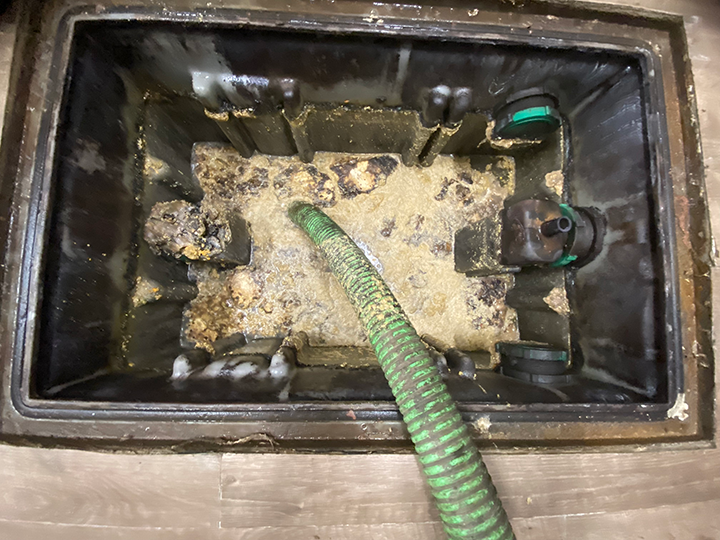
Most clogs begin with small, repeated mistakes that accumulate over time. In bathrooms, hair and soap scum slowly cling to the inside of pipes, creating a rough surface that catches more debris. In kitchens, fats, oils, and food scraps congeal along the pipe walls, especially if you pour hot grease down the drain. Even seemingly harmless items, like coffee grounds or paper towels, can settle and compact in traps if they are flushed or washed down repeatedly. A simple habit reversal—using drain screens, disposing fats in a container, and never flushing non‑flushables—can dramatically reduce early buildup and slow the clock on clogs.
Hidden Plumbing Issues That Quietly Fuel Repeats
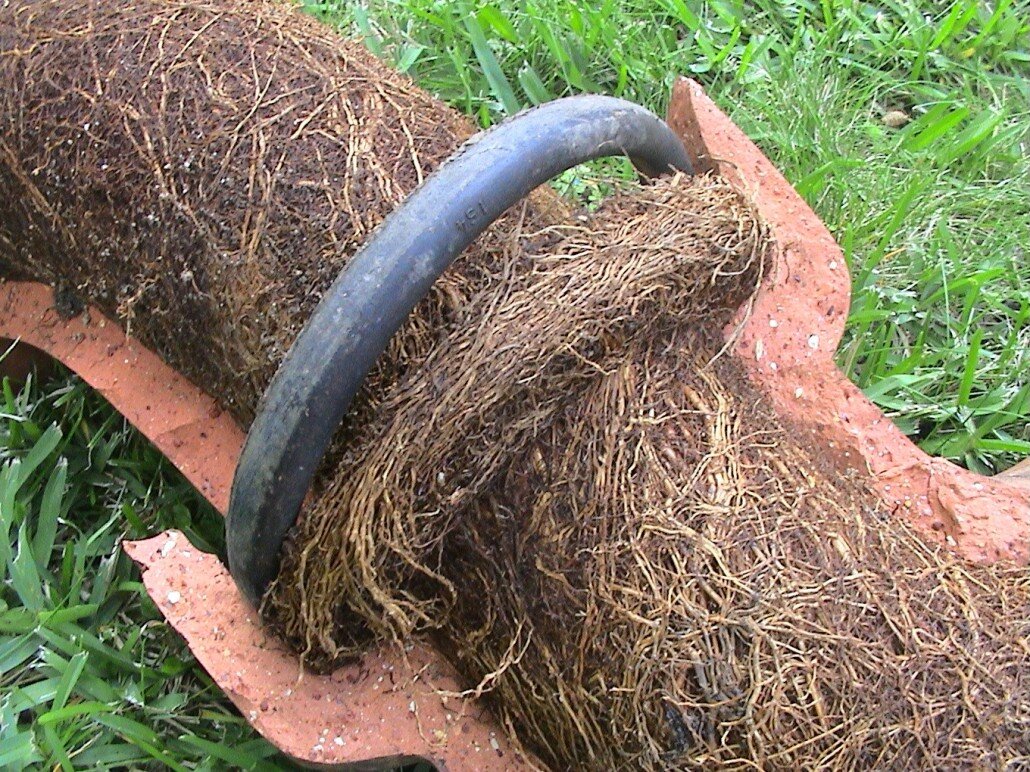
Beyond daily habits, hidden problems quietly drive recurrent clogs. Improper pipe slope can cause standing water and slow drainage, inviting solids to settle rather than pass through. Tree roots seeking moisture can invade sewer lines, creating blockages far from where you notice them. Old or damaged pipes, rust, and mineral buildup reduce internal diameter and invite debris to snag. In some homes, venting problems cause slow drainage and gurgling sounds, signaling a trap‑sucking issue that makes clogs more likely. Identifying these hidden culprits often requires a professional evaluation with cameras or pressure tests.
The Engineering Behind a Smooth Drain: Slopes, Traps, and Venting
Drain systems are engineered to move waste efficiently: gravity pulls solids through a gently sloped network, each fixture has a P‑trap to prevent sewer gas, and fabric vents allow air to equalize pressure. When any element is out of balance, turbulence increases, solids settle, and blockages form. A misaligned slope, an obstructed trap, or a blocked vent can transform a once‑quick drain into a repeated problem. Understanding this physiology helps you spot where adjustments or repairs—rather than harsh chemical cleaners—are needed to restore dependable flow.
Materials, Waste, and What They Do to Your Pipes
Pipe material matters as much as waste volume. Older homes with cast iron or clay pipes are more prone to scale buildup, corrosion, and microscopic cracks that invite debris capture and root intrusion. Modern PVC lines resist many common issues but still suffer from improper joins or tree root incursions if the sewer line is damaged. The combination of aging infrastructure and heavy, frequent waste streams often explains why you experience recurring clogs even after cleaning. Recognizing the signs of material fatigue motivates timely repairs or replacements before leaks, odors, or backups appear.
Assessing the Health of Your Drains: Red Flags and Diagnostic Steps
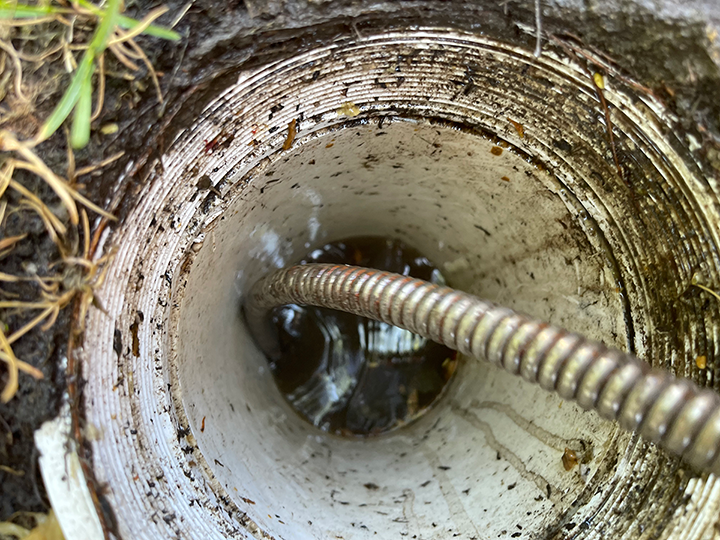
Frequent clogs, slow drainage that worsens after using multiple fixtures, and persistent odors are red flags. Gurgling sounds, standing water in the sink, or backups into other fixtures indicate a shared or sewer‑line issue. A practical diagnostic approach starts with a visual inspection of traps and cleanouts, followed by targeted tests such as running water through fixtures to observe flow and attempting a gentle, thorough cleaning of accessible traps. If these checks don’t resolve the issue, it’s wise to seek professional assistance, as deeper problems often require camera inspections or pressure tests to locate root causes.
Practical, At-Home Checks That Clear Small Clogs
Begin with simple, non‑destructive steps. Remove the P‑trap under the kitchen or bathroom sink and clean any accumulated gunk with a brush and mild soap, ensuring the pipes are dry before reassembly. A plunger can address shallow obstructions in most sinks, while a hand‑crank drain snake helps dislodge stubborn material beyond the trap. For minor buildups, a measured approach using enzyme‑based cleaners can break down organic matter without harming pipes, especially in septic systems. Avoid harsh chemical drain cleaners, as they can soften and corrode pipes over time and mask deeper issues that require professional intervention.
Preventive Measures: Routine Maintenance and Upgrades
Empower your drains with a routine that emphasizes prevention. Install fine mesh strainers on every drain to catch hair, food particles, and grit before they reach the pipes. Establish a simple disposal routine for fats and oils—cool, contain, and discard in the trash rather than pouring down the drain. Schedule periodic professional inspections and cleanings, especially in homes with older plumbing or trees nearby, to catch problems before they escalate. If you’re upgrading fixtures or replacing pipes, consider modern materials and proper venting and slope guidance to create a more resilient drainage system that resists clogs for years to come.
When to Call a Pro: Clear Signs You Need Expert Help
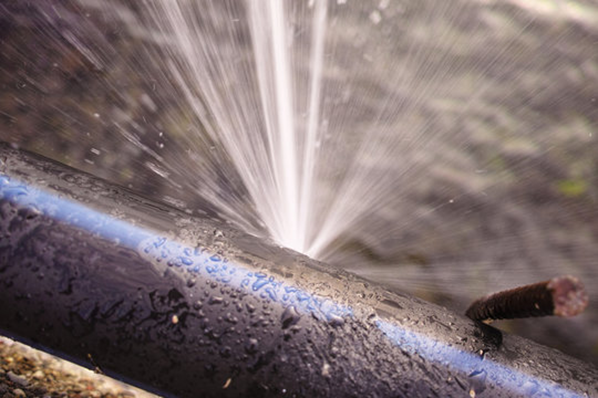
If clogs persist despite your best at‑home efforts, or you notice recurring backups across multiple fixtures, it’s time to bring in a plumber. Backups that involve sewage, foul odors spreading through the home, or wet spots in the yard indicating hidden leaks signal more serious issues than a simple clog. A professional can perform sewer camera inspections to locate blockages, test for sewer line integrity, and recommend targeted solutions such as trenchless pipe repair, root removal, or full pipe replacement. Early professional consultation saves time, reduces damage, and helps you choose the most effective long‑term fix for your home’s specific configuration and needs.


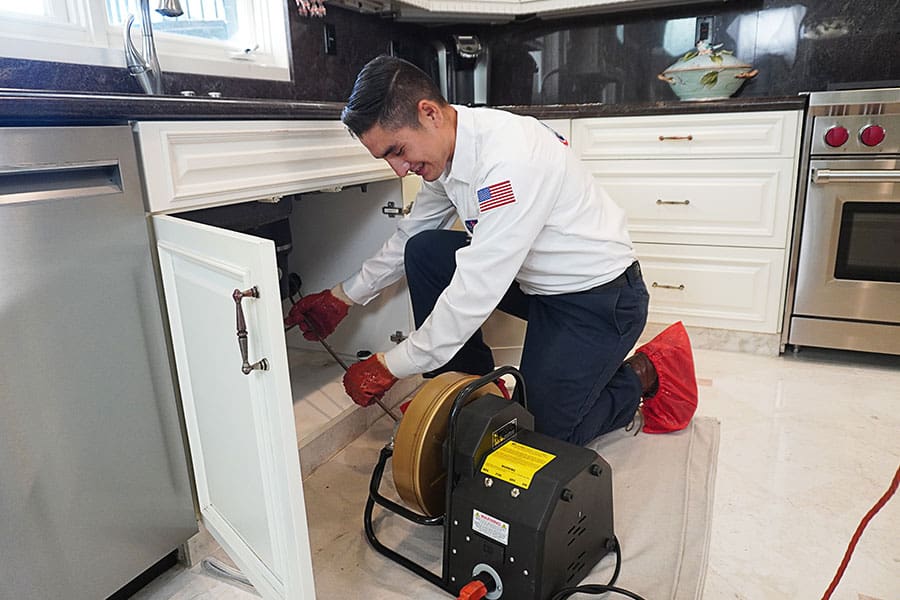
There are many ways in which you can clean the clogged drain.
The first and the foremost thing is that you need to find out what could have caused the clog to happen.
If the clog is because of the dirt and filth that you might be putting in then you will have to take the right options as such to get rid of the same.
For drains you can use some home remedies and make the drain perfect in every way.
If the drain is clean then there would be better solutions which you can rely on.Some easy and effective ways to clean theclogged drainYou can use baking soda and vinegar liquid and then put it in hot water and then pour the same in the drain.
You must use the boiling water in the drain and then lush the same.