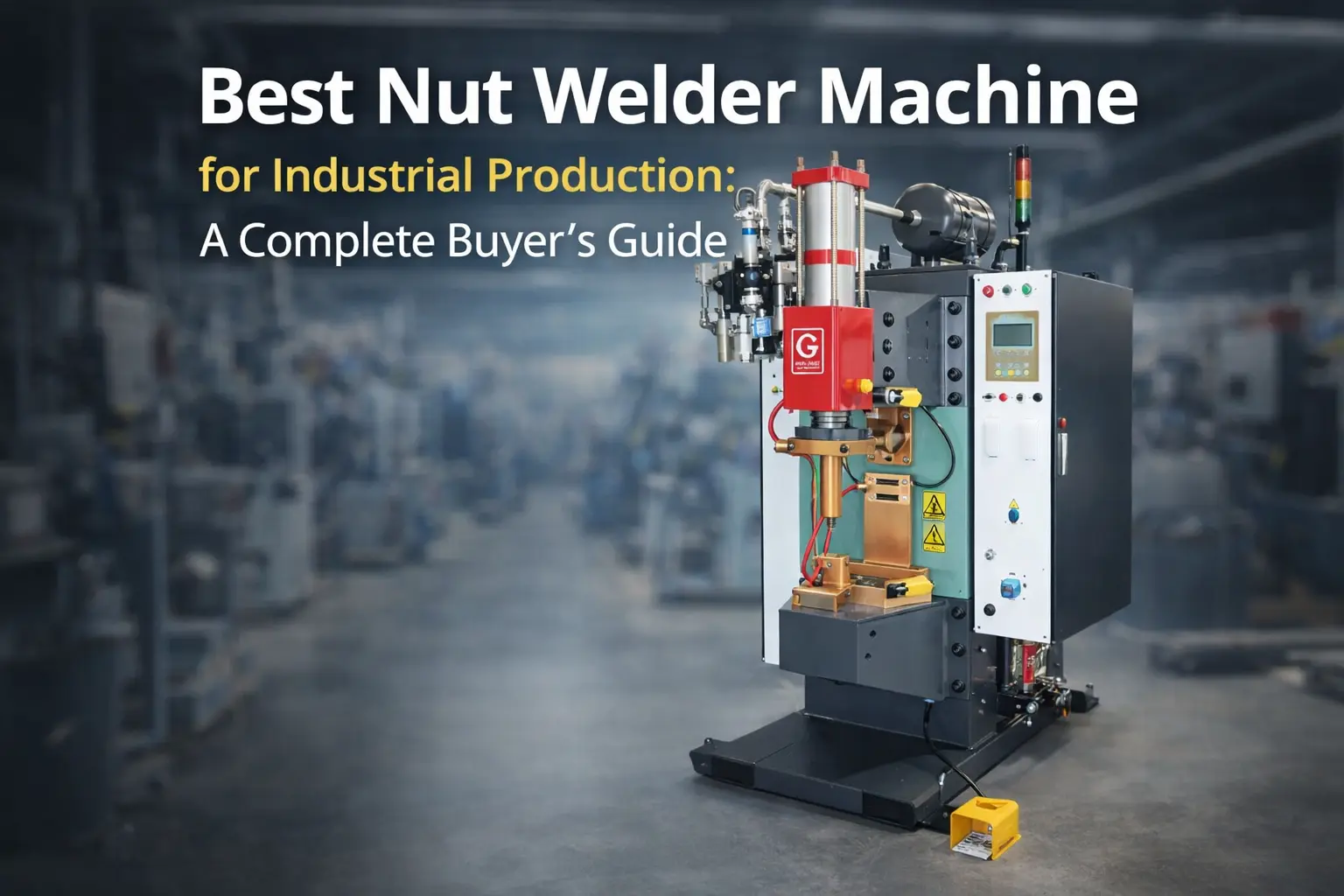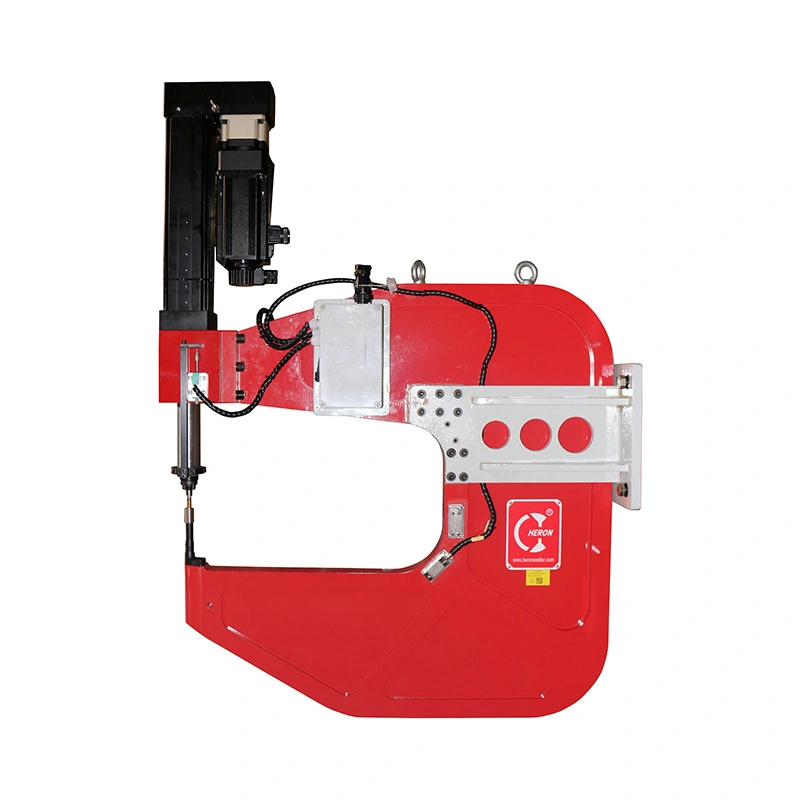
In today’s competitive manufacturing landscape, efficiency, reliability, and cost-effectiveness are key drivers for industrial production. Among the many sheet metal joining technologies available, clinching machines have emerged as a versatile solution, offering high-speed, mechanically robust connections without the need for welding or adhesives. For OEMs, automation integrators, and factory decision-makers, understanding the principles, applications, and best practices of clinching technology is essential for optimizing production lines.
Heron Welder, a global leader in industrial welding and metal-joining equipment, provides state-of-the-art clinching systems engineered for precision, repeatability, and integration into automated manufacturing processes.
What Is a Clinching Machine?
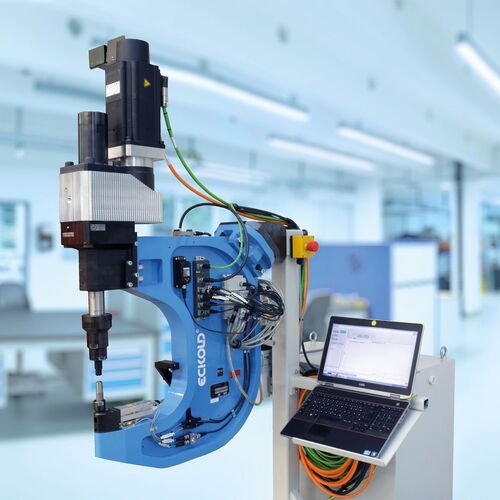
A clinching machine is a mechanical device used to join sheet metal parts by deforming them into an interlocking structure. Unlike traditional welding, clinching does not rely on heat, electricity, or filler materials. Instead, it uses a punch and die system to locally deform the sheets, creating a strong, permanent joint.

This technology is particularly suitable for lightweight metals like aluminum and coated steel, where conventional welding may cause distortion, oxidation, or surface damage. Clinching is also faster and more energy-efficient than spot welding or riveting, making it ideal for high-volume production environments.
How Clinching Machines Work
Clinching machines operate on a simple yet precise principle:
Sheet Positioning: Two or more metal sheets are accurately aligned.
Punch Action: A hydraulic, pneumatic, or servo-driven punch presses into the sheets.
Die Formation: The die beneath the sheets forces the metal to flow sideways, creating a mechanical interlock.
Joint Formation: The sheets are permanently joined, producing a flush, aesthetically clean surface with minimal distortion.
Modern clinching machines from Heron are equipped with programmable controllers, adjustable force settings, and modular tooling options, allowing engineers to optimize the process for varying material thicknesses and types.
Applications of Clinching Machines
Clinching technology is widely adopted across multiple industries due to its flexibility and reliability:
Automotive Manufacturing: Clinching machines are used for joining body panels, chassis components, and lightweight assemblies without compromising corrosion protection.
Appliance Production: Sheet metal enclosures, washing machine drums, and refrigerator panels benefit from secure clinch joints.
Aerospace and Electronics: Aluminum and coated steel assemblies in aircraft interiors, electronic housings, and ventilation systems utilize clinching for precise, damage-free connections.
Furniture and HVAC Manufacturing: Metal cabinets, frames, and duct systems can be assembled rapidly with consistent quality using clinching machines.
By integrating clinching systems into automated production lines, manufacturers can achieve higher throughput, reduced labor costs, and superior product consistency.
Clinching vs. Other Joining Methods
Understanding the advantages of clinching over traditional joining techniques can guide informed decision-making:
Feature Clinching Machine Spot Welding Riveting
Heat Requirement None High None
Surface Damage Minimal Possible Moderate
Energy Consumption Low High Medium
Material Compatibility Aluminum, Steel, Coated Mostly Steel Most Metals
Cycle Time 1–3 seconds per joint 3–6 seconds per joint 5–8 seconds per joint
Automation Friendly High Medium High
Clinching machines stand out for their speed, material flexibility, and minimal surface impact, making them ideal for modern manufacturing lines emphasizing lightweight metals and high throughput.
Best Practices for Clinching Operations
To maximize the performance and longevity of clinching machines, consider the following best practices:
Material Assessment: Always evaluate the thickness, hardness, and coating of sheets to select the appropriate punch and die combination.
Regular Tool Maintenance: Inspect and lubricate punches and dies to prevent wear, reduce downtime, and ensure consistent joint quality.
Process Monitoring: Utilize programmable controllers and sensors to track force, stroke, and joint quality in real-time.
Automation Integration: Integrate clinching machines with conveyors, robotic arms, or gantries for seamless operation in automated production lines.
Training Operators: Ensure operators understand the nuances of clinching technology, including proper alignment, material handling, and safety protocols.
Heron’s clinching machines are designed for easy maintenance, with modular components and intelligent monitoring systems to support these best practices.
Why Choose Heron Clinching Machines
Heron Welder offers a comprehensive range of clinching machines and metal-joining solutions for manufacturers worldwide:
Precision-engineered punch and die systems for consistent, high-strength joints
Modular, servo-driven machines for full automation integration
Flexible tooling for different sheet materials, thicknesses, and joint designs
Expert support for process optimization, installation, and training
Manufacturers can rely on Heron to provide tailored clinching solutions that enhance productivity, reduce costs, and maintain product quality across a wide range of industries.
FAQs
1. What materials can be joined using a clinching machine?
Clinching machines can handle steel, stainless steel, aluminum, and coated metals, making them suitable for automotive, appliance, and electronics manufacturing.
2. How strong are clinched joints compared to spot-welded joints?
Properly formed clinch joints provide comparable mechanical strength to spot welds, with the advantage of no heat-affected zones or surface damage.
3. Can clinching machines be automated?
Yes, modern clinching machines are designed for full automation and can be integrated with robotic arms, conveyors, and production line controllers.
4. What maintenance is required for a clinching machine?
Routine inspection, lubrication of punch and die components, and monitoring of hydraulic or servo systems are essential to ensure consistent joint quality and machine longevity.
5. Is clinching suitable for thin or lightweight metals?
Absolutely. Clinching is especially effective for lightweight, coated, or thin materials where welding could cause distortion or surface damage.
Conclusion
Clinching machines represent a modern, efficient, and versatile solution for sheet metal joining. By eliminating the need for heat or adhesives, they reduce energy consumption, prevent surface damage, and accelerate production cycles. For manufacturers, OEMs, and automation integrators, investing in high-quality clinching systems is a strategic step toward smarter, faster, and more reliable production.
Heron Welder provides advanced clinching machines and full metal-joining solutions tailored to your manufacturing needs. Request a quote today or consult our experts to design a customized welding and automation system that maximizes efficiency and quality for your production line.