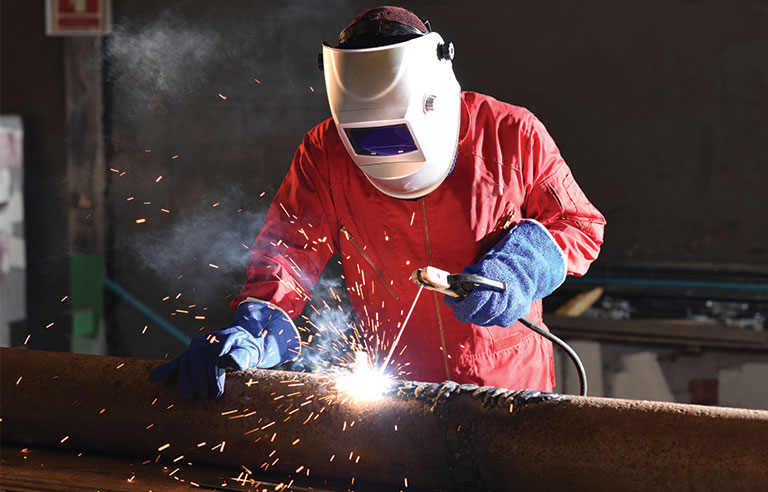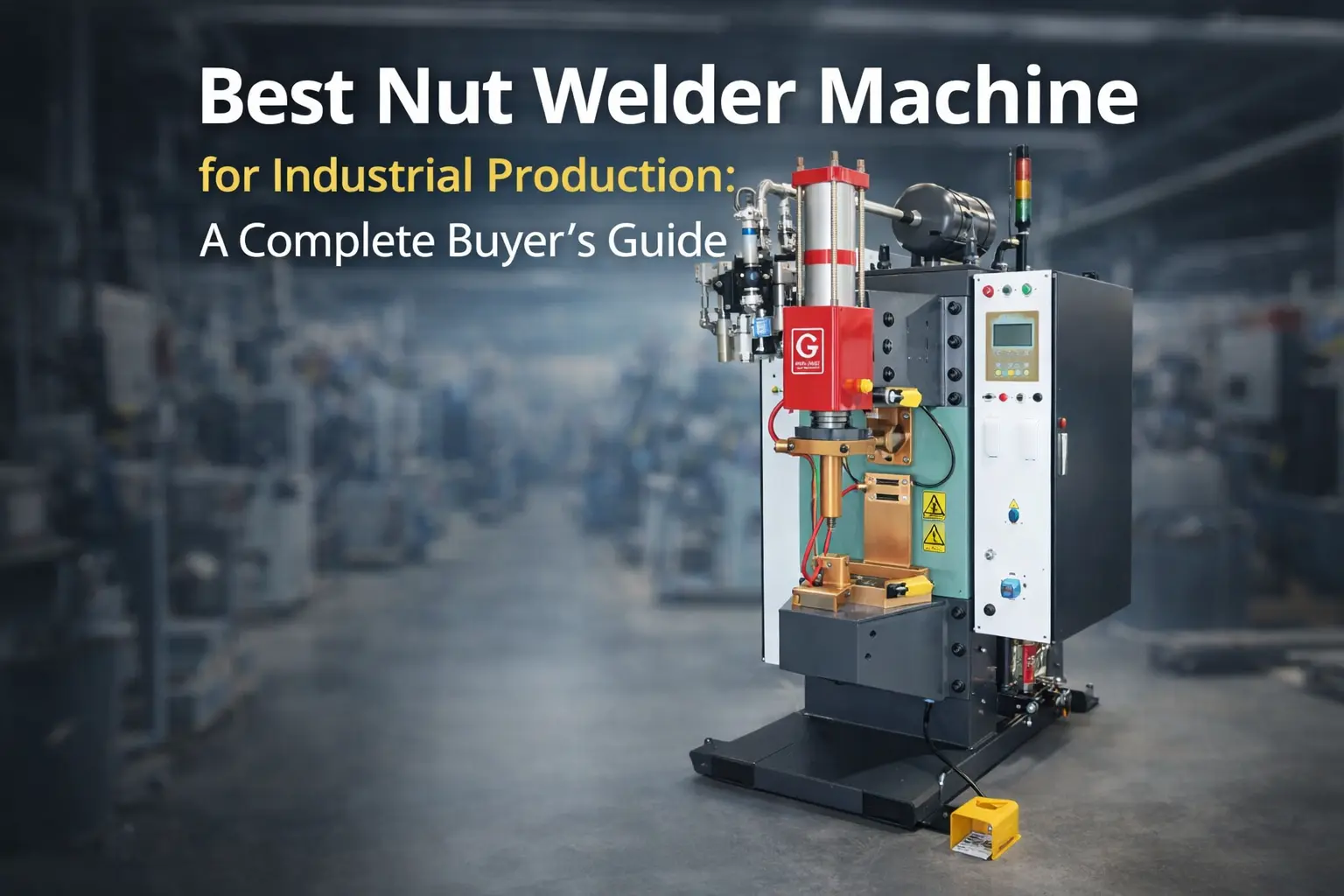
In modern manufacturing, precision, speed, and repeatability are critical. For industries relying on sheet metal assembly automotive, appliance, electronics, and heavy equipment nut welding has become a cornerstone technique for efficient production. A nut welder provides a reliable, cost-effective, and automated method to attach nuts to metal components, streamlining assembly while maintaining structural integrity.
Heron Welder, a global leader in industrial welding and metal-joining technology, offers advanced resistance and capacitor discharge nut welding solutions tailored for OEMs, automation integrators, and high-volume factories seeking dependable, high-quality production performance.
What Is a Nut Welder and How Does It Work?
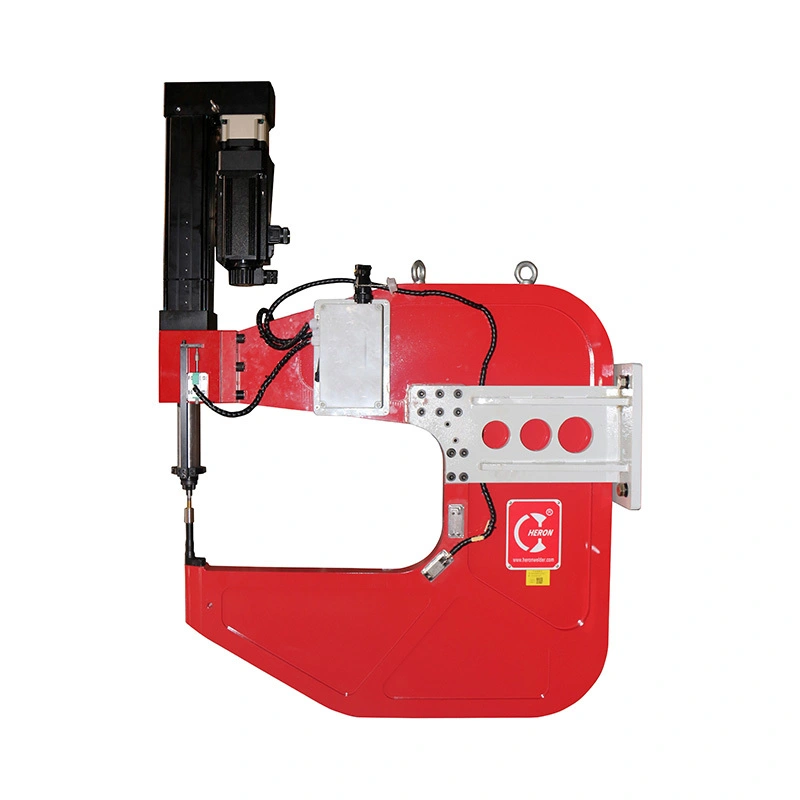
A nut welder is a specialized welding machine designed to attach nuts directly to metal surfaces without pre-drilled holes or mechanical fasteners. These systems commonly use resistance welding principles, where electric current passes through the nut and base material, creating localized heat that fuses the nut to the substrate.
Key Components:
Welding Gun or Electrode – Applies force and delivers precise current to the nut.
Transformer/Controller – Regulates current, voltage, and welding time.
Fixture/Automation Interface – Ensures repeatable nut placement and alignment.
By controlling current, pressure, and weld time, a nut welder can consistently produce strong, vibration-resistant joints suitable for high-demand applications.
Types of Nut Welding Machines
Nut welding solutions vary depending on production needs, material thickness, and automation requirements. Heron provides several advanced options:
1. Capacitor Discharge Nut Welders
Ideal for thin sheets or sensitive metals, capacitor discharge nut welders deliver a high-energy pulse in milliseconds. This method minimizes heat-affected zones, prevents distortion, and ensures clean, strong welds for aluminum, stainless steel, and coated sheets.
2. Medium-Frequency Direct Current (MFDC) Nut Welders
MFDC machines are widely used in high-volume production lines, providing precise energy control, faster cycle times, and superior repeatability. They are perfect for automotive and appliance manufacturing, where hundreds of nuts must be welded per minute.
3. Robotic Nut Welding Systems
For fully automated assembly, robotic arms equipped with Heron nut welders integrate seamlessly into production lines, allowing synchronized welding with other joining operations such as spot welding or clinching. This combination maximizes efficiency and reduces labor costs.
Applications of Nut Welders in Industry
Nut welders are used in diverse industrial sectors where reliable fastening is crucial:
Automotive Manufacturing: Engine compartments, body panels, and structural assemblies.
Home Appliances: Washing machines, refrigerators, ovens, and HVAC units.
Electrical Enclosures: Panels and chassis requiring secure threaded fasteners.
Metal Furniture and Equipment: Durable assembly without protruding fasteners.
By eliminating secondary operations like drilling, tapping, or mechanical fastening, nut welders reduce production time, improve joint strength, and enhance overall product quality.
Benefits of Using a Heron Nut Welder
High Precision and Repeatability – Advanced controls ensure every nut is welded exactly to specification.
Versatility Across Materials – Works on aluminum, steel, stainless steel, and coated sheets.
Energy Efficiency – MFDC and capacitor discharge systems consume minimal energy while providing maximum weld strength.
Integration with Automation – Compatible with robotic cells and assembly lines for high-volume manufacturing.
Reduced Rework and Scrap – Accurate welding reduces defects, enhancing yield and profitability.
Nut Welder vs. Traditional Fastening Methods
Feature Nut Welder Mechanical Fastening
Speed Milliseconds per weld Several seconds per nut
Strength High, vibration-resistant Dependent on torque
Automation Friendly Fully automatable Limited automation
Material Damage Minimal heat-affected zone Drilling/tapping can damage
Maintenance Cost Low Medium
Using a Heron nut welder ensures production efficiency, superior joint quality, and seamless automation integration advantages that traditional mechanical methods cannot match.
Best Practices for Nut Welding
Proper Electrode Maintenance – Regularly inspect and replace electrodes to maintain consistent weld quality.
Correct Parameter Settings – Adjust current, pressure, and weld time according to material type and nut size.
Use Fixtures for Alignment – Precise positioning improves weld accuracy and repeatability.
Material Preparation – Ensure surfaces are clean, free from coatings or oxidation, for optimal bonding.
Integrate Quality Monitoring – Real-time monitoring prevents defects and maintains production standards.
FAQs About Nut Welders
Q1: Can nut welders handle aluminum sheets?
Yes, Heron capacitor discharge and MFDC nut welders are optimized for aluminum and coated metals without causing distortion.
Q2: What nut sizes can be welded?
Nut welders can handle a wide range of sizes, from small M3-M6 nuts to larger M12-M16, depending on the machine configuration.
Q3: Are nut welders compatible with robotic automation?
Absolutely. Heron nut welders can be fully integrated with robotic arms and assembly lines for synchronized, high-volume production.
Q4: How fast is a typical nut weld cycle?
Cycle times range from milliseconds for capacitor discharge systems to 1–2 seconds for MFDC systems, enabling high-throughput production.
Q5: Is training required to operate a nut welder?
Heron provides comprehensive training and technical support, ensuring safe and efficient machine operation.
Why Choose Heron Welder for Nut Welding Solutions
With decades of expertise in resistance welding, FSPR, clinching, and automated production systems, Heron Welder delivers tailored solutions for manufacturers seeking precision, efficiency, and reliability. From standalone machines to fully integrated robotic cells, Heron nut welders are engineered to optimize production, minimize defects, and lower operational costs.
Get Started With Your Nut Welding Project Today
Whether you are upgrading your assembly line or exploring automated welding solutions, Heron Welder provides customized nut welding machines, automation integration, and technical expertise to meet your manufacturing goals. Request a quote or consult our experts today to find the perfect solution for your production line.