

Australia's population is getting older, requiring more complex health support. Simultaneously, major NDIS 2026 reforms are reshaping disability services. This creates a dual challenge for care providers. Community nursing must innovate to meet this rising demand. It must also navigate a changing funding landscape. This blog explores the key adaptations in NDIS community nursing in Melbourne.

Providers are evolving their models to ensure sustainability and quality. They focus on smarter, more preventative care at home.
1. Evolving Direct Care for Complex, Age-Related Needs
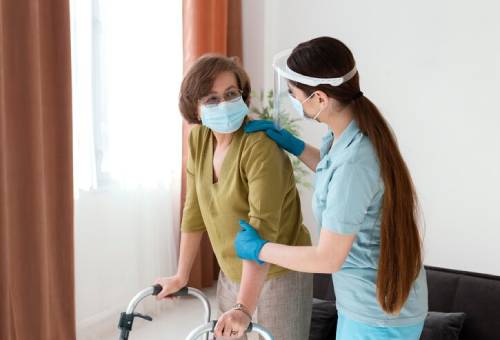
Aging participants often have multiple, chronic health conditions. Community nursing care in Melbourne is adapting its clinical focus. Services now manage more intricate, co-occurring health issues. This includes advanced wound care for slower healing skin. It also involves meticulous medication management for complex regimes.
Care plans are becoming more holistic and preventative. Major adaptations include:
- Integrated chronic disease management for diabetes or cardiac issues.
- Proactive skin and pressure care to prevent hospital admissions.
- Post-hospital support to ensure safe transitions home.
This shift aims to maintain wellbeing at home and help avoid costly hospital visits.
2. Navigating the 2026 NDIS Reform Environment
The 2026 reforms introduce stricter sustainability measures. Community nursing services in Melbourne must operate within new boundaries. Clearer scheme boundaries will define eligible supports. There is also a stronger focus on measurable participant outcomes.
Providers must demonstrate clear value for funding. They will use detailed reporting to show progress. Clinical evidence-based care plans are now essential. These will justify the necessity of nursing interventions. Careful NDIS plan management and review is crucial as it ensures continued access to necessary nursing supports.
3. Innovating Workforce and Delivery Models
A national nursing shortage pressures the system. Innovative delivery models are essential for community nursing in Melbourne. Providers are blending in-home visits with telehealth nursing consultations to maximise clinical reach and efficiency.
Building a sustainable workforce is also critical. Strategies include:
- Specialised training in geriatric and complex care.
- Improved work conditions to retain experienced nurses.
- Utilising enrolled nurses for appropriate tasks under supervision.
These steps ensure skilled staff can meet growing demand, and also protect the quality of in-home clinical care.
4. Fostering Collaboration and Participant Empowerment
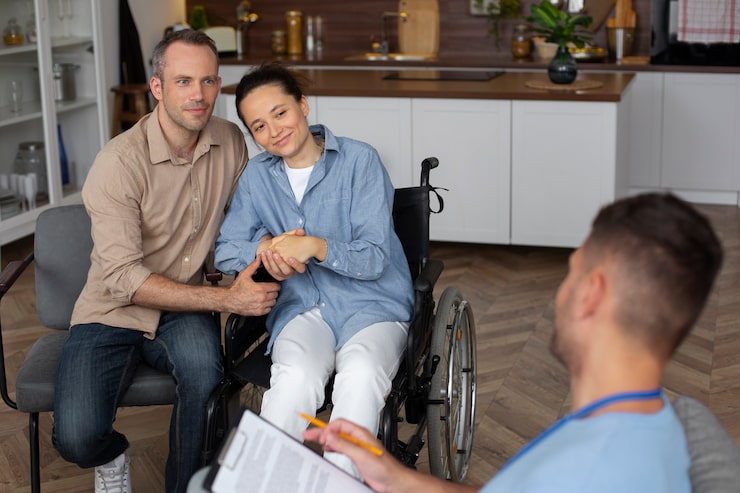
Future success requires breaking down care silos. The best community nursing care collaborates closely with others. This includes a participant's GP and allied health team, as well as specialist disability support coordinators.
A core goal is empowering participants and families. Nurses provide practical carer education and coaching. They build confidence in managing daily health tasks, which supports greater independence and safety at home.
In 2026, NDIS community nursing in Melbourne will look different. It will be more integrated, outcome-focused, and efficient. Success hinges on navigating reforms skilfully and innovating workforce solutions.
The ultimate goal remains constant: supporting dignity and health at home. Adaptive providers are leading this essential evolution to ensure that aging populations receive the expert, compassionate care they deserve.
Author Bio:
The author is the owner of a reputed organisation specialising in NDIS community nursing care services in Melbourne and shares daily articles about the importance of NDIS community nursing.