


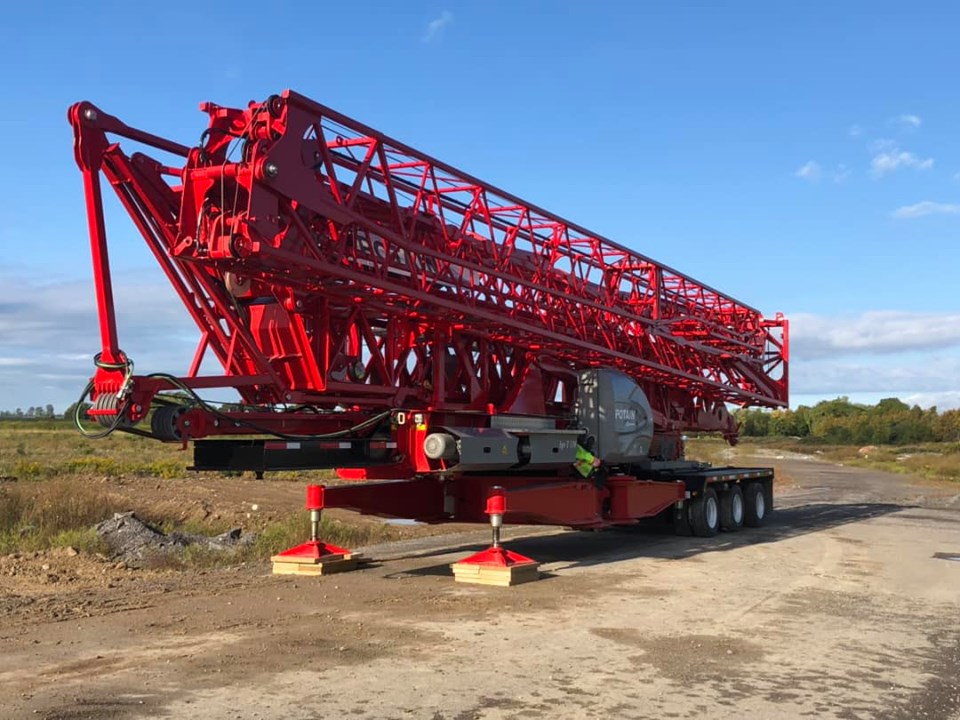
If you have ever watched a large object glide through the air and land perfectly on a rooftop or construction site, chances are a mobile crane was doing the work. These machines are the quiet problem-solvers of the building world. They step in when items are too heavy, too awkward, or too high up for people and regular equipment to handle.
In a busy city like Toronto, where space is tight and projects move fast, mobile cranes play an important role. From new buildings and renovations to equipment installations, they help get difficult jobs done safely and efficiently. This article explains everything you need to know about mobile crane rental in Toronto in simple, everyday language. No technical talk—just clear explanations, practical examples, and useful insights to help you understand how mobile cranes work and why they are so widely used.
What Is a Mobile Crane, in Simple Terms?
A mobile crane is essentially a powerful lifting arm mounted on a vehicle. Think of it like a very strong tow truck combined with a flexible, extendable arm. It can drive to a site, set itself up, lift heavy objects, and then move on once the job is finished.
Unlike cranes that stay in one place for months, mobile cranes are designed to travel. This makes them ideal for projects that need lifting power without permanent installation. Their flexibility is one of their biggest advantages, especially in a city environment.
Why Mobile Cranes Are So Popular in Toronto
Toronto is constantly growing. New condos, offices, and infrastructure projects are everywhere. At the same time, many neighborhoods have narrow streets, limited parking, and nearby buildings. Mobile cranes are well-suited to these conditions.
Here’s why they are so widely used:
- Easy to transport: They drive directly to the job site.
- Quick setup: Many can be ready to lift in a short amount of time.
- Versatile: They handle a wide range of lifting tasks.
- Space-friendly: Ideal for tight or crowded areas.
You can think of a mobile crane as a multitool—compact, adaptable, and ready for different challenges.
Common Uses for Mobile Cranes
Mobile cranes are used in more situations than most people realize. They are not limited to large construction sites.
Residential Projects
Homeowners and builders often use mobile cranes to lift roof trusses, large windows, hot tubs, or air-conditioning units. Imagine trying to carry a heavy sofa up the outside of a house—it’s far easier to lift it from above than squeeze it through doorways.
Commercial Construction
Office buildings, retail spaces, and warehouses rely on mobile cranes to move steel beams, concrete sections, and glass panels. These cranes help keep projects on schedule by handling heavy lifts quickly.
Industrial Work
Factories and plants use mobile cranes to install or replace large machines. These machines can weigh as much as several cars, making manual handling impossible.
Maintenance and Repairs
Mobile cranes are also used for repair work, such as fixing signage, replacing rooftop equipment, or maintaining bridges. Their ability to arrive, lift, and leave efficiently makes them ideal for short-term tasks.
How Mobile Crane Rental Works
Renting a mobile crane is simpler than many people expect. The process is designed to be straightforward and supportive.
Step 1: Assessing the Job
The first step is understanding what needs to be lifted. Weight, size, and height all matter. This is similar to choosing the right ladder—you need one that’s tall and strong enough for the task.
Step 2: Choosing the Right Crane
Not all mobile cranes are the same. Some are better for heavier loads, while others work well in tighter spaces. The rental provider helps match the crane to your needs.
Step 3: Scheduling and Setup
Once details are confirmed, the crane is scheduled and delivered to the site. The operator sets it up safely and checks everything before lifting begins.
Step 4: Lifting and Completion
The crane performs the required lifts carefully and precisely. After the job is done, it is packed up and removed from the site.
This all-in-one approach is why many people prefer hiring rather than owning.
Safety: Why Professional Operation Matters
Cranes are incredibly strong, and that strength must be handled responsibly. Safety is always the top priority.
Trained Operators
Mobile cranes are operated by trained professionals who understand how to balance loads, judge distances, and respond to changing conditions. It’s similar to trusting an experienced driver on a long road trip.
Site Preparation
Before lifting starts, the area is inspected for hazards like uneven ground or overhead power lines. Planning ahead helps prevent accidents.
Clear Communication
Operators and ground crews work together closely, using signals or radios. This teamwork ensures every movement is controlled and predictable.
Benefits of Renting Instead of Buying
Buying a mobile crane is not practical for most businesses or individuals. Renting offers several clear advantages.
Cost Efficiency
Purchasing a crane involves a huge upfront cost. Renting allows you to pay only for the time you need it.
No Storage or Maintenance
Cranes require regular inspections, repairs, and storage space. When you rent, these responsibilities are handled by the provider.
Access to Expertise
A professional Crane Rental Service provides advice, equipment, and skilled operators. This support reduces stress and helps avoid costly mistakes.
For these reasons, renting is the go-to solution for most projects.
Environmental and Community Considerations
Modern mobile cranes are designed with efficiency in mind. Newer models use fuel more effectively and operate more quietly, which is important in residential and urban areas.
Good planning also reduces disruption to neighbors and traffic. Just like planning errands to avoid rush hour, scheduling lifts thoughtfully keeps things running smoothly.
Choosing a Reliable Rental Provider
Selecting the right rental company makes a big difference. Experience, safety standards, and local knowledge all matter.
A company like Elite Crane Rental INC is familiar with city conditions and understands the challenges of working in busy environments. This kind of experience helps projects stay on track and run safely.
When choosing a provider, look for clear communication, transparent pricing, and a strong safety record.
What to Expect on the Day of the Lift
On the scheduled day, the crane arrives and is positioned carefully. Safety barriers may be set up, and the operator performs final checks.
The lifting process is steady and controlled. There is no rushing—precision is key. Once all lifts are complete, the crane is packed up and the site is cleared for the next phase of work.
Watching a mobile crane in action often surprises people. Despite their size, they move with smoothness and care, like a giant helping hand.
Conclusion
Mobile cranes make challenging lifting tasks manageable. They bring strength, flexibility, and precision to projects that would otherwise be slow, risky, or impossible. In a fast-moving city, their ability to arrive, lift, and move on is invaluable.
Understanding how mobile crane rental works helps remove uncertainty and builds confidence. With proper planning, skilled operators, and the right equipment, even the heaviest jobs can be handled safely and efficiently. Whether for construction, maintenance, or installation, mobile cranes are a practical solution that keeps projects moving forward.
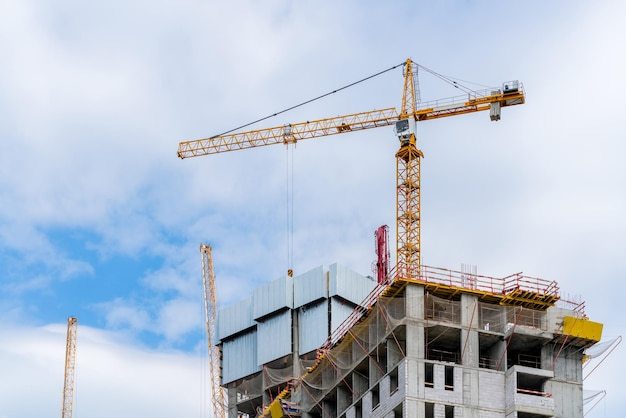
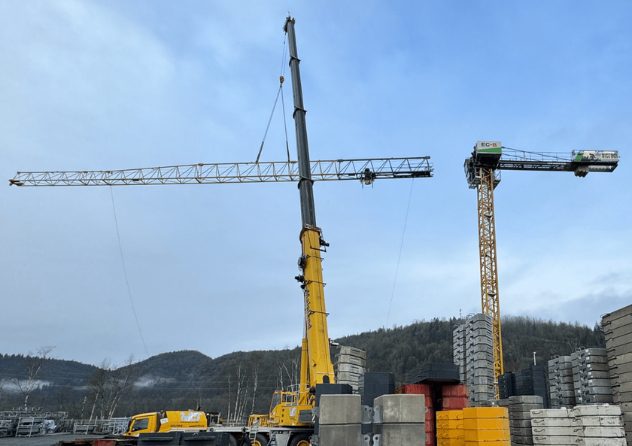
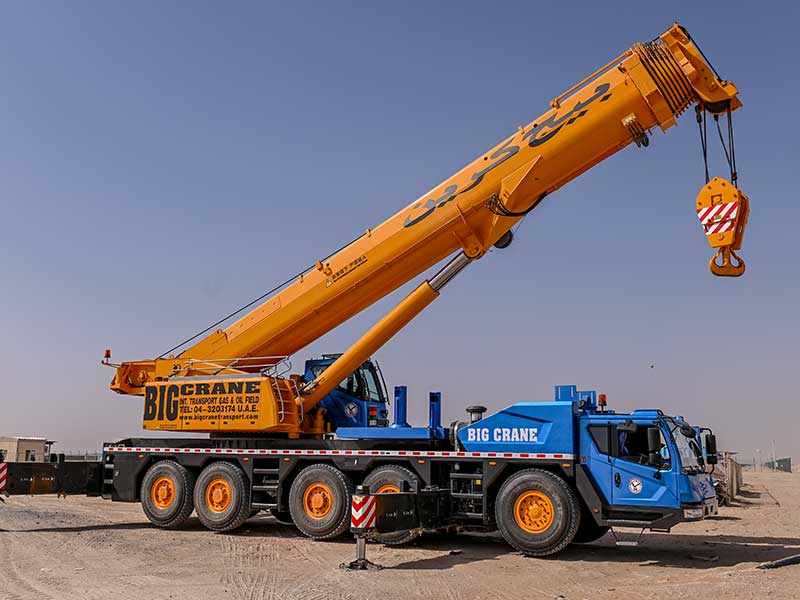
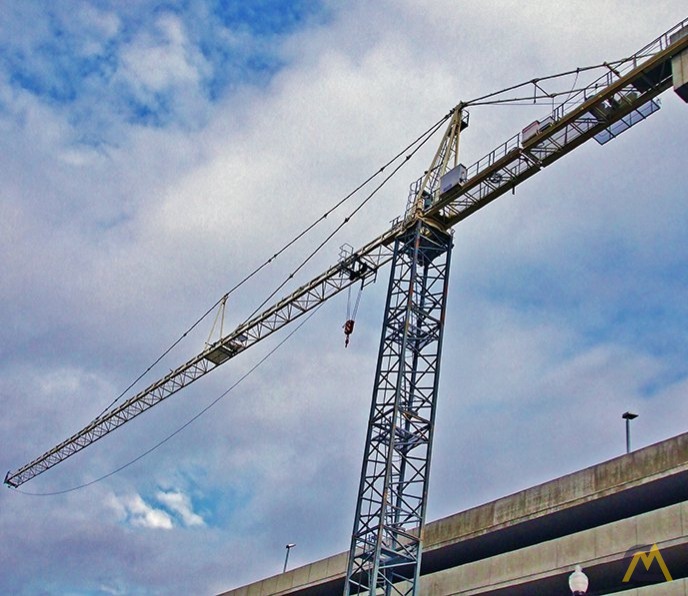
If you are thinking what type of crane to use for your next project, you should know that there are many benefits to using a mobile crane instead of a tower crane.
Because the tower crane must be installed in place, it has some limitations.
On the other hand, a large, full-sized mobile crane might be loaded with multiple attachments that can perform different tasks.The major advantage of a mobile crane is its flexibility and, of course, its mobility.
A mobile crane is able to access narrow passages and sites that have a limited amount of entrance space.
This is important since time is definitely money on the building and construction site.
A ready crane helps speed up the construction work and minimizes the time other workers must wait for pertinent tasks to be completed.A mobile crane does not need a large footprint and doesn’t usually need a lot of space.