Introduction: The Silent Risk Beneath Modern Infrastructure
Steel remains the backbone of modern civilisation, yet corrosion continues to erode its value at a staggering pace. Global studies estimate that corrosion-related damage costs the world economy over $2.5 trillion annually, a figure expected to rise as infrastructure ages and climate conditions grow more extreme. In this environment, surface protection is no longer a maintenance afterthought. It is a strategic decision with long-term financial, operational, and environmental implications.
Against this backdrop, Hot Dip Galvanizing has re-emerged as a critical enabler of resilience across construction, energy, transportation, and heavy manufacturing. Once viewed as a utilitarian coating choice, it is now being re-evaluated through a more strategic lens. As regulatory scrutiny increases and asset lifespans are pushed further, the role of Hot Dip Galvanizing Companies is shifting from commodity providers to long-term partners in infrastructure durability. This article explores why.
Corrosion Is No Longer a Maintenance Issue
Historically, corrosion was addressed reactively. Components were replaced when they failed, budgets absorbed the cost, and projects moved on. That mindset no longer holds.
Today’s industrial environments are more complex. Steel assets are exposed to higher humidity, chemical pollutants, temperature swings, and mechanical stress than ever before. At the same time, downtime is less tolerable. Delays ripple through supply chains, disrupt logistics, and inflate costs.
This reality has forced decision-makers to reconsider surface protection strategies at the design stage. Corrosion control now intersects with risk management, asset planning, and sustainability targets. In this context, Hot Dip Galvanizing stands out not merely for its thickness or longevity, but for its predictability. It offers a known performance curve that can be modeled over decades, not years.
Why Coating Thickness Has Become a Strategic Metric
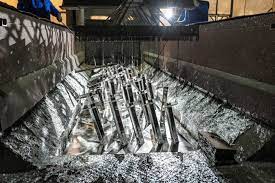
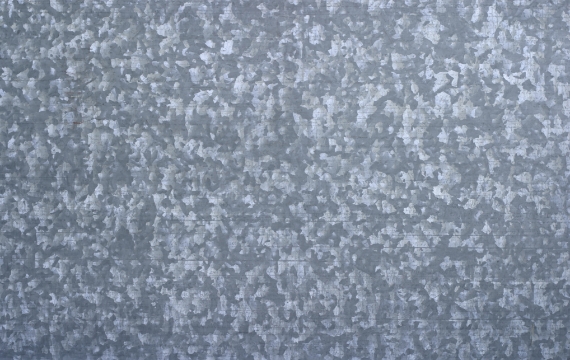
One of the defining advantages of Hot Dip Galvanizing is the metallurgical bond it forms with steel. By immersing fabricated components in molten zinc, the process creates a layered coating that becomes part of the substrate rather than a surface-level barrier.
- This matters for several reasons:
- Thicker coatings extend service life without ongoing intervention
- Zinc acts sacrificially, protecting steel even if the surface is scratched
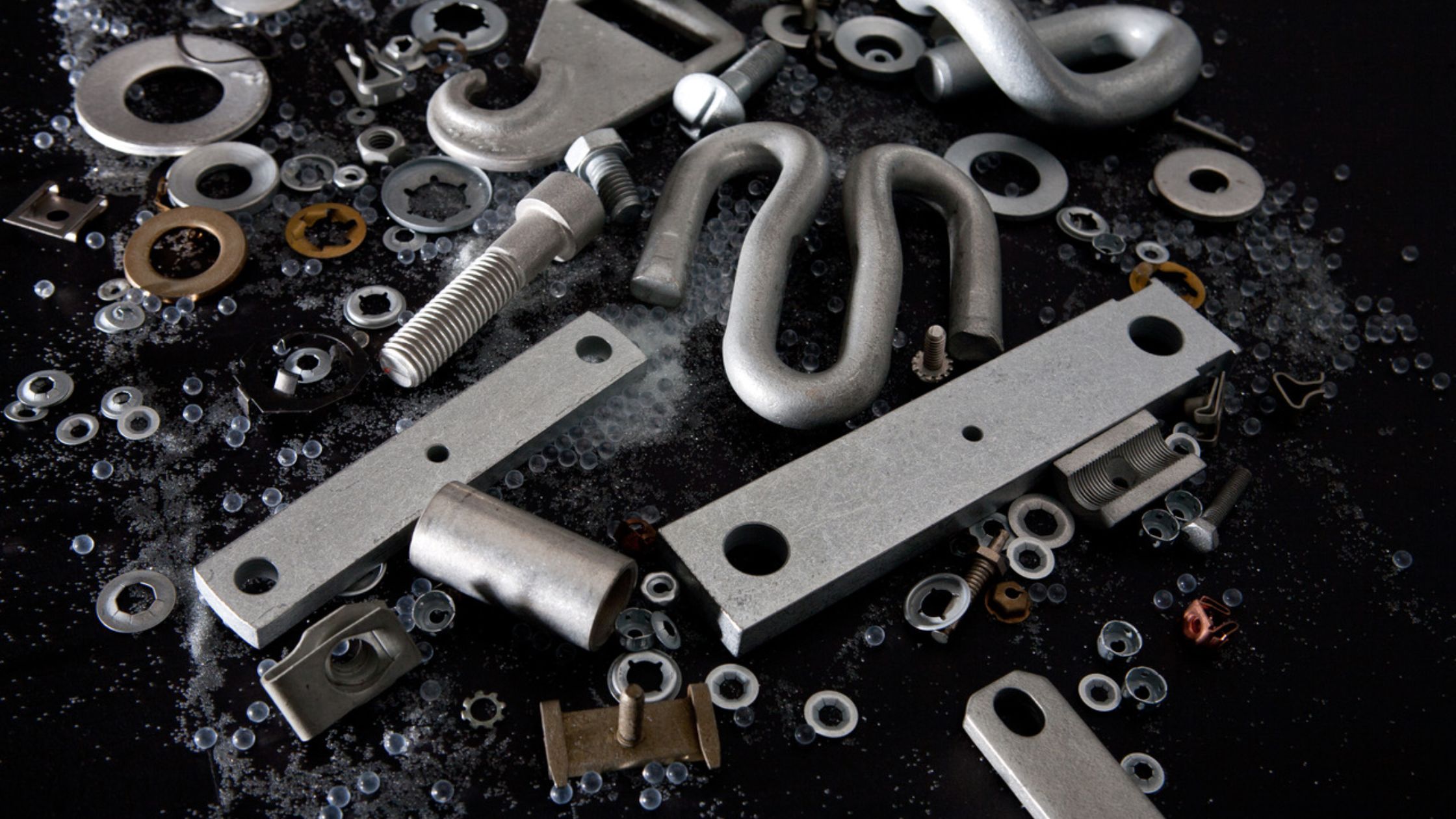
- Uniform coverage reaches internal surfaces and complex geometries
For asset owners, coating thickness translates directly into fewer inspections, lower maintenance costs, and reduced lifecycle uncertainty. Increasingly, engineering teams are quantifying this value upfront, comparing galvanizing not only against paint systems, but against future replacement and downtime scenarios.
Compliance Isn’t Optional Anymore
Environmental and safety regulations are evolving rapidly, particularly around worker exposure, chemical runoff, and long-term environmental impact. While no coating system is impact-free, Hot Dip Galvanizing has gained renewed attention due to its durability and reduced need for reapplication.
- A longer-lasting coating means:
- Fewer recoating cycles
- Lower cumulative chemical exposure over time
- Reduced material waste
As infrastructure owners face stricter reporting requirements, the ability to demonstrate a low-intervention protection strategy has become a competitive advantage. This is one reason many Hot Dip Galvanizing Companies are now investing in advanced process controls, emissions management, and traceability systems to meet future regulatory expectations, not just current ones.
Infrastructure Is Being Designed for Climate Reality
Climate volatility is no longer theoretical. Coastal salinity, urban pollution, freeze-thaw cycles, and extreme heat are accelerating corrosion rates in ways not fully anticipated a generation ago.
Forward-looking design teams are responding by specifying protection systems that can tolerate uncertainty. Hot Dip Galvanizing performs particularly well in these environments because it does not rely on perfect surface conditions or frequent maintenance to remain effective.
Consider a hypothetical scenario: two identical steel structures, one protected by a thin-film coating system and the other by hot dip galvanizing. Over a 30-year horizon, the galvanized structure may require minimal intervention, while the alternative demands multiple recoating cycles. The cost difference is not incremental. It is structural.
The Evolving Role of Hot Dip Galvanizing Companies
As expectations rise, Hot Dip Galvanizing Companies are no longer judged solely on throughput or coating thickness. They are increasingly evaluated on consistency, technical guidance, and their ability to integrate into complex project timelines.
- Leading providers now support:
- Early-stage design consultation
- Coating specification optimization
- Coordination with fabrication and logistics partners
- Documentation for compliance and asset management
This shift mirrors broader industrial trends, where suppliers are expected to contribute strategic value, not just execute transactions. In many ways, galvanizing providers are becoming quiet collaborators in infrastructure resilience.
Where Hot Dip Galvanizing Fits in a Hybrid Future
It is important to acknowledge that Hot Dip Galvanizing is not a universal solution. Certain precision components, tight tolerances, or aesthetic requirements may call for alternative or complementary coating methods.
However, the future is not about choosing one method exclusively. It is about intelligent layering of protection strategies. In many modern projects, hot dip galvanizing forms the foundation, combined with additional coatings or treatments where necessary.
This hybrid mindset reflects a more mature understanding of corrosion science and lifecycle planning. It also underscores why strategic conversations with experienced galvanizing partners are becoming more valuable than ever.
Conclusion: Durability as a Competitive Advantage
In an era defined by uncertainty, durability has emerged as a quiet form of innovation. The ability to build assets that endure environmental stress, regulatory change, and operational demands is no longer just an engineering goal. It is a business imperative.
Hot Dip Galvanizing represents more than a coating choice. It is a long-term risk management strategy, a sustainability lever, and a foundation for resilient infrastructure. As industries plan for longer asset lifecycles and fewer disruptions, the role of informed, technically capable Hot Dip Galvanizing Companies will continue to grow.
The future of steel protection is not about reacting to corrosion. It is about designing it out, one strategic decision at a time.