

An LED display board can change how a space communicates. It can attract attention, share updates, promote offers, or simply make information easier to see. But choosing one is not just about liking how it looks on the first day. It is about how the LED digital display board fits your space, how it works daily, and how much effort it needs over time.
Before you invest, understanding these basics save you from costly mistakes and help you choose a display that actually supports your purpose instead of becoming a distraction.
What Is an LED Digital Display Board?
An LED digital display board is a screen made of light-emitting diodes that shows text, images, videos, or animations. These displays are not like printed boards or static signage. The content on an LED display can be changed instantly using software or a control system.
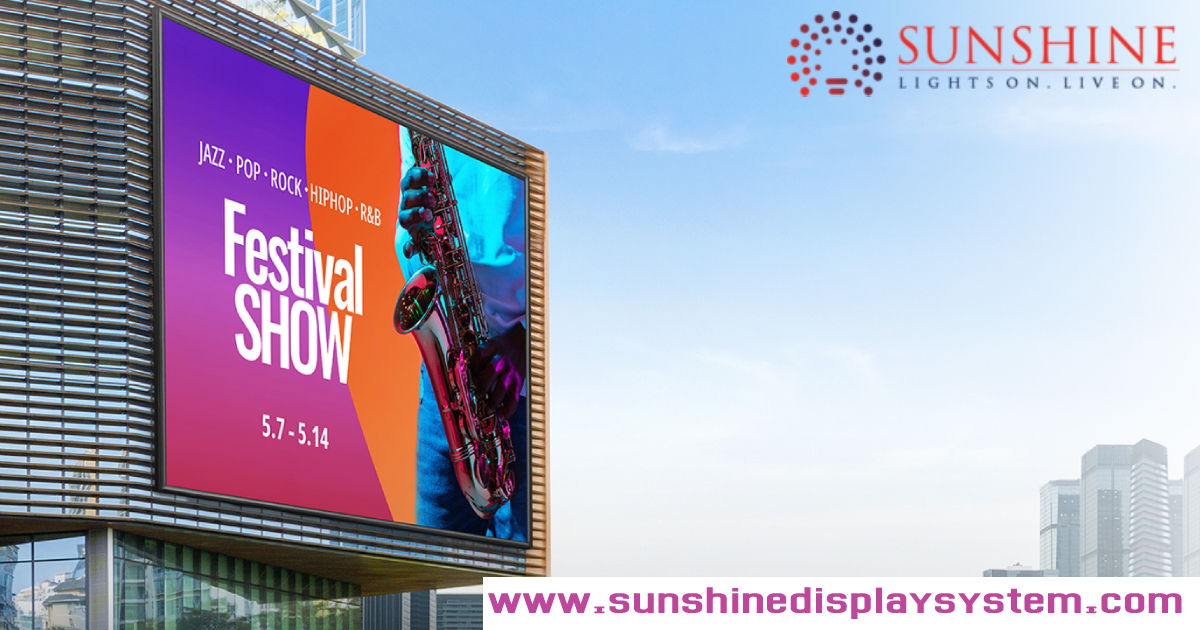
These displays are commonly used in shops, offices, buildings, outdoor locations, and public spaces. Their main strength lies in visibility and flexibility. Messages stay bright, readable, and easy to update without reprinting or physical changes. Once installed, the screen becomes a reusable communication tool rather than a one-time display.
Things To Keep in Mind Before Installing an LED Display Board
An LED display board becomes part of your space the moment it is installed. Here are some factors you should consider:
1. Viewing Distance and Angle
People should see the content clearly without strain. A screen placed too high, too low, or at an odd angle loses its impact.
The distance from which people will view the display matters. A screen meant for close viewing needs finer detail. A screen seen from far away needs larger, clearer content.
2. Screen Size
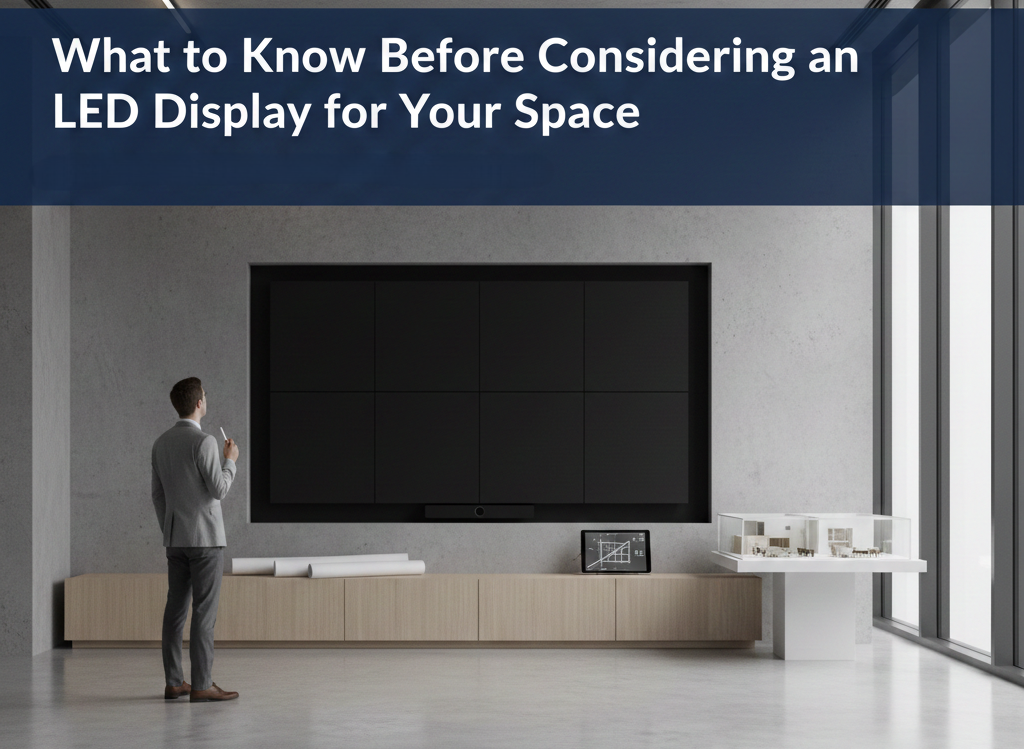
Large screens attract people, but the screen size must suit the space. A very big LED digital display board in a small area is not at all justifiable. A very small one in a large space feels pointless.
Measure the wall, consider nearby lighting, and think about how long people will look at the screen. Your goal is to provide a comfortable and clear viewing experience.
3. Brightness and Visibility
Many people focus only on resolution. While it is important, brightness decides whether the content is visible at all.
A dim screen in a bright area fails instantly. An overly bright screen indoors becomes uncomfortable. The right balance keeps content readable throughout the day without causing glare or fatigue.
Bottom Line
An LED digital display board becomes part of your space the moment it turns on. People notice it and expect it to work without fuss. When it fits naturally, no one thinks about the screen, they just absorb the message. That ease does not happen by chance. It comes from thinking ahead and making the right choices early.