

Marine engines operate in conditions that demand consistency every hour of every voyage. Constant load changes, exposure to salt-laden air, vibration, and long operating cycles leave little room for component failure. At the center of many onboard systems sits the hydraulic pump, quietly supplying the power needed for smooth control and dependable operation. When this component performs well, the entire marine engine system benefits. When it doesn’t, downtime and risk quickly follow.
The Role of a Hydraulic Pump in Marine Engines
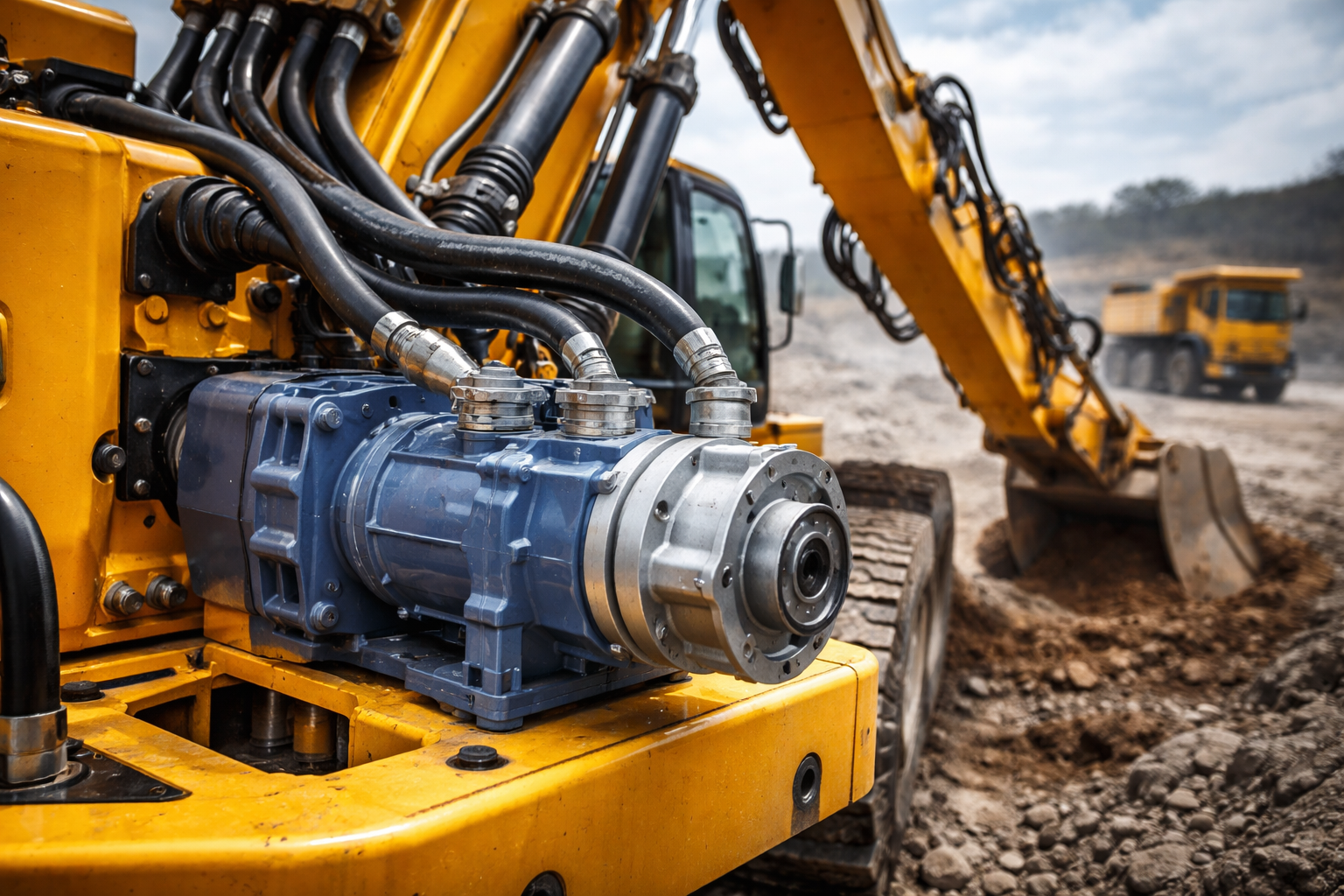
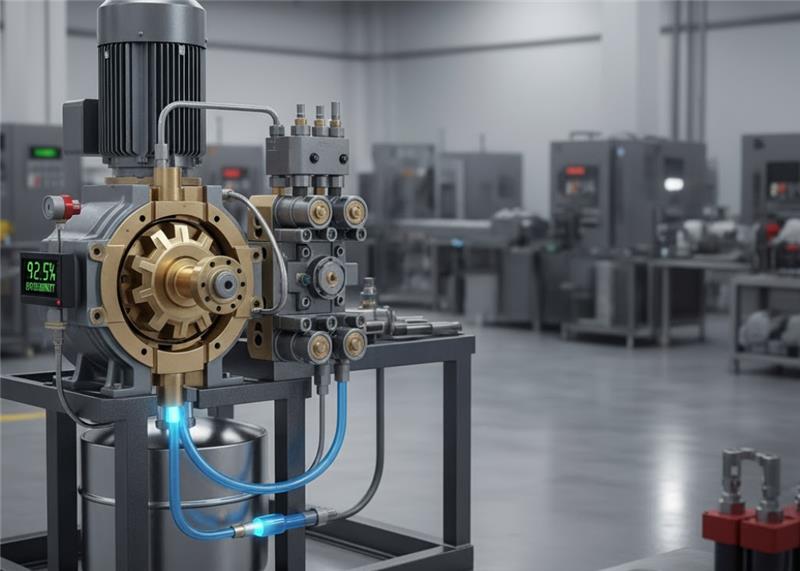
A hydraulic pump converts mechanical energy into hydraulic power, enabling controlled movement and force across essential marine systems. From steering gear and thrusters to deck machinery and auxiliary engine functions, reliable hydraulic flow keeps operations precise and predictable.
In marine engines, pressure stability is especially critical. Sudden drops or inconsistent flow can affect responsiveness, placing strain on mechanical components and reducing overall engine efficiency. A well-designed hydraulic pump ensures consistent power delivery, even under fluctuating loads and extended runtime.
What Defines a Heavy-Duty Hydraulic Pump for Marine Use
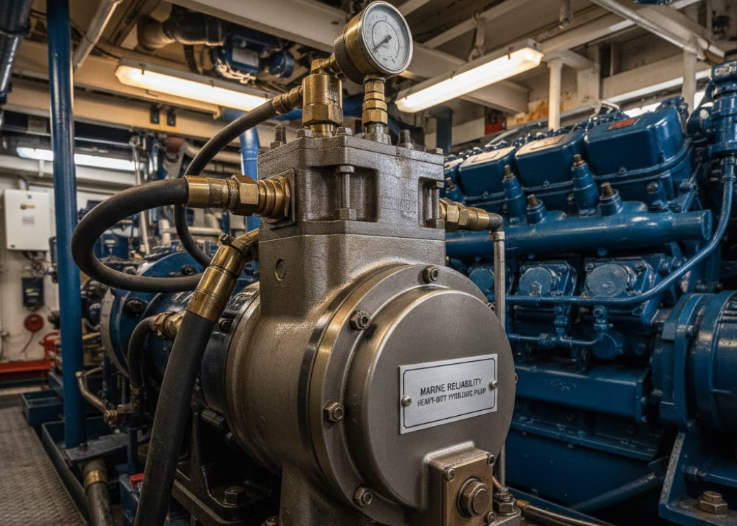
Not all hydraulic pumps are suited for marine environments. Heavy-duty variants are engineered with durability as a priority. This includes reinforced housings, corrosion-resistant materials, and precision-machined internal components that withstand continuous operation.
Sealing systems are also designed to handle moisture and pressure variations without leakage. These design elements allow the hydraulic pump to maintain performance despite temperature shifts, vibration, and exposure to harsh surroundings common in engine rooms.
Marine Operating Challenges That Demand Robust Design
Marine hydraulic systems face challenges rarely seen in stationary or land-based applications. Salt exposure accelerates corrosion, while constant motion introduces vibration and alignment stress. Engines may operate for long hours without shutdown, pushing components close to their performance limits.
A standard pump may function initially, but wear can escalate quickly. Heavy-duty hydraulic pumps are built to manage these stresses, reducing the likelihood of pressure loss, internal scoring, or premature seal failure.
Performance Benefits of a Heavy-Duty Hydraulic Pump
Investing in a robust hydraulic pump delivers measurable operational advantages. Stable hydraulic output improves control accuracy, allowing marine engines to respond smoothly to commands. This stability also reduces energy losses, helping systems operate more efficiently over time.
Durability directly impacts maintenance schedules. Fewer breakdowns mean reduced downtime, lower repair costs, and improved vessel availability. Over long service periods, these benefits translate into stronger operational reliability and predictable performance.
Selecting the Right Hydraulic Pump for Marine Engines
Choosing the correct hydraulic pump begins with understanding system requirements. Flow rate and pressure capacity must align with the demands of steering systems, propulsion support, or auxiliary machinery. Material selection plays an equally important role, especially where corrosion resistance and wear protection are concerned.
Compatibility with existing systems ensures smoother integration, while ease of maintenance supports faster servicing when required. Working with a trusted marine engine supplier also helps ensure that the hydraulic pump selected meets long-term operational and service expectations.
Maintenance Practices That Preserve Reliability
Even the most durable hydraulic pump benefits from proper maintenance. Clean hydraulic fluid is essential, as contamination accelerates wear and reduces efficiency. Regular inspection of filters, seals, and pressure readings helps identify early signs of stress.
Scheduled maintenance allows operators to address minor issues before they affect engine performance. In marine environments, proactive care significantly extends service life and protects the broader hydraulic system from cascading failures.
Safety, Compliance, and Operational Confidence
Reliable hydraulic systems support more than performance; they contribute directly to safety. Steering precision, load handling, and system responsiveness depend on consistent hydraulic power. A dependable hydraulic pump helps vessels meet operational standards while maintaining control under demanding conditions.
Compliance with marine regulations often requires equipment that demonstrates proven reliability. Heavy-duty hydraulic pumps support these requirements by delivering consistent performance across varying operating conditions.
Conclusion: Strengthening Marine Engine Reliability
Marine engine reliability depends on components that perform without hesitation. A heavy-duty hydraulic pump provides the foundation for stable power transfer, efficient control, and long-term operational confidence. By selecting a pump designed for marine demands and maintaining it correctly, operators protect engine performance and ensure smoother voyages, mile after mile.