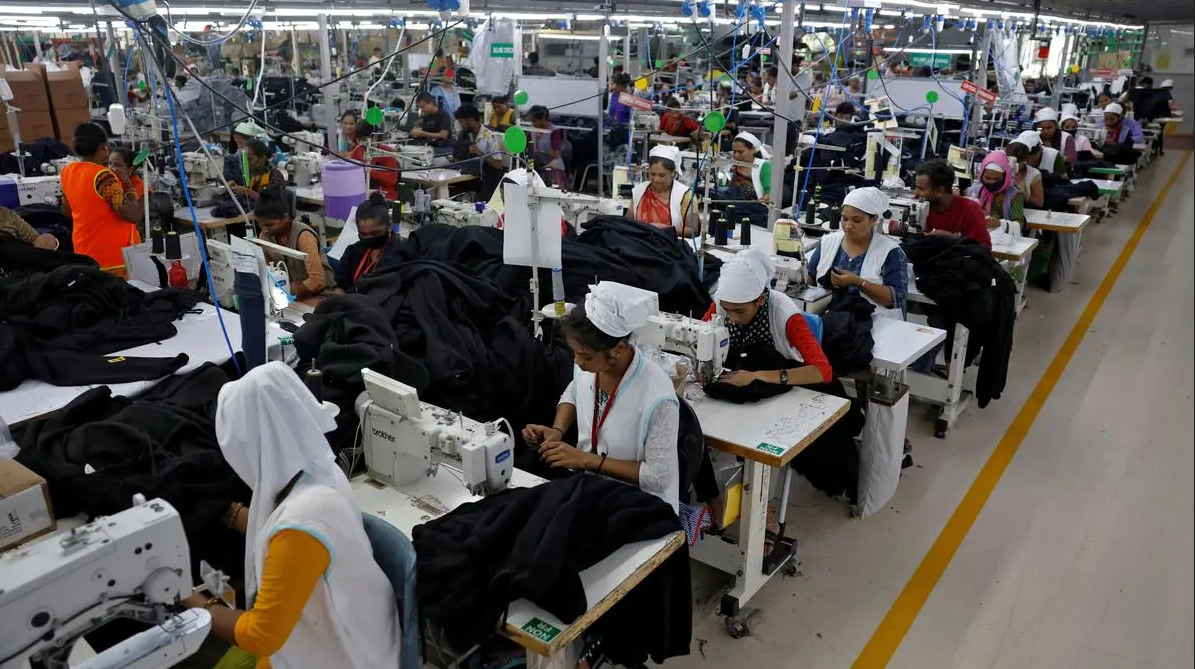
Exports currently contribute around 10 per cent of MIL’s ₹2,845-crore revenue, but this share is set to rise as the company pivots strategically from fabrics to garments
Mafatlal Industries remains India’s market leader in school and corporate uniforms, with the segment growing 15–20 per cent last year | Photo Credit: REUTERS
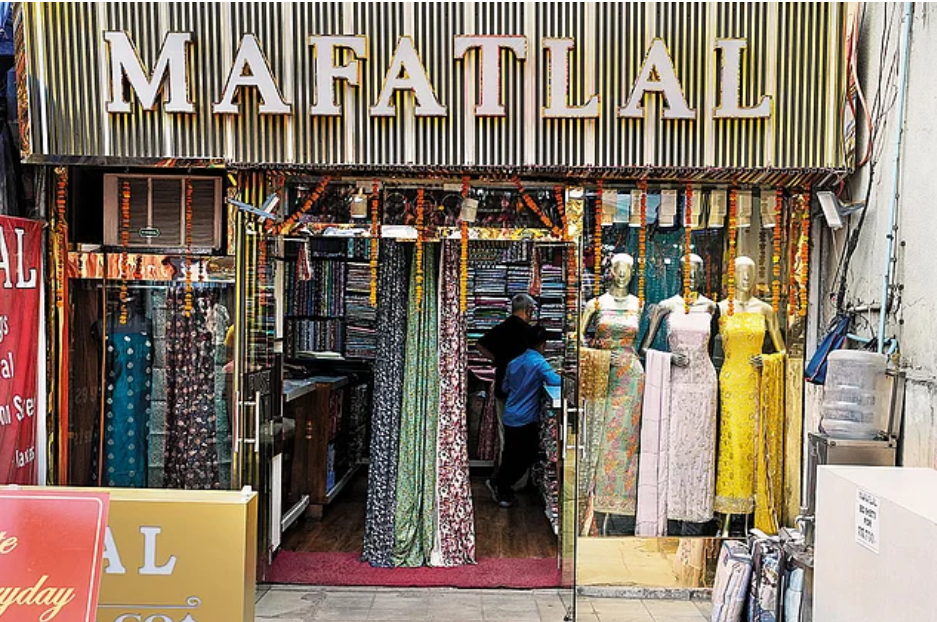
Mafatlal Industries Ltd (MIL), the 120-year-old textile flagship of the Arvind Mafatlal Group, is stepping up its global ambitions with a renewed focus on garment exports to West Asia , Latin America, Europe and the Far East including Japan and Australia. As India’s leading uniform manufacturer, the company is also re-establishing its presence in the defence-uniform category, positioning itself for strong growth in international institutional markets.
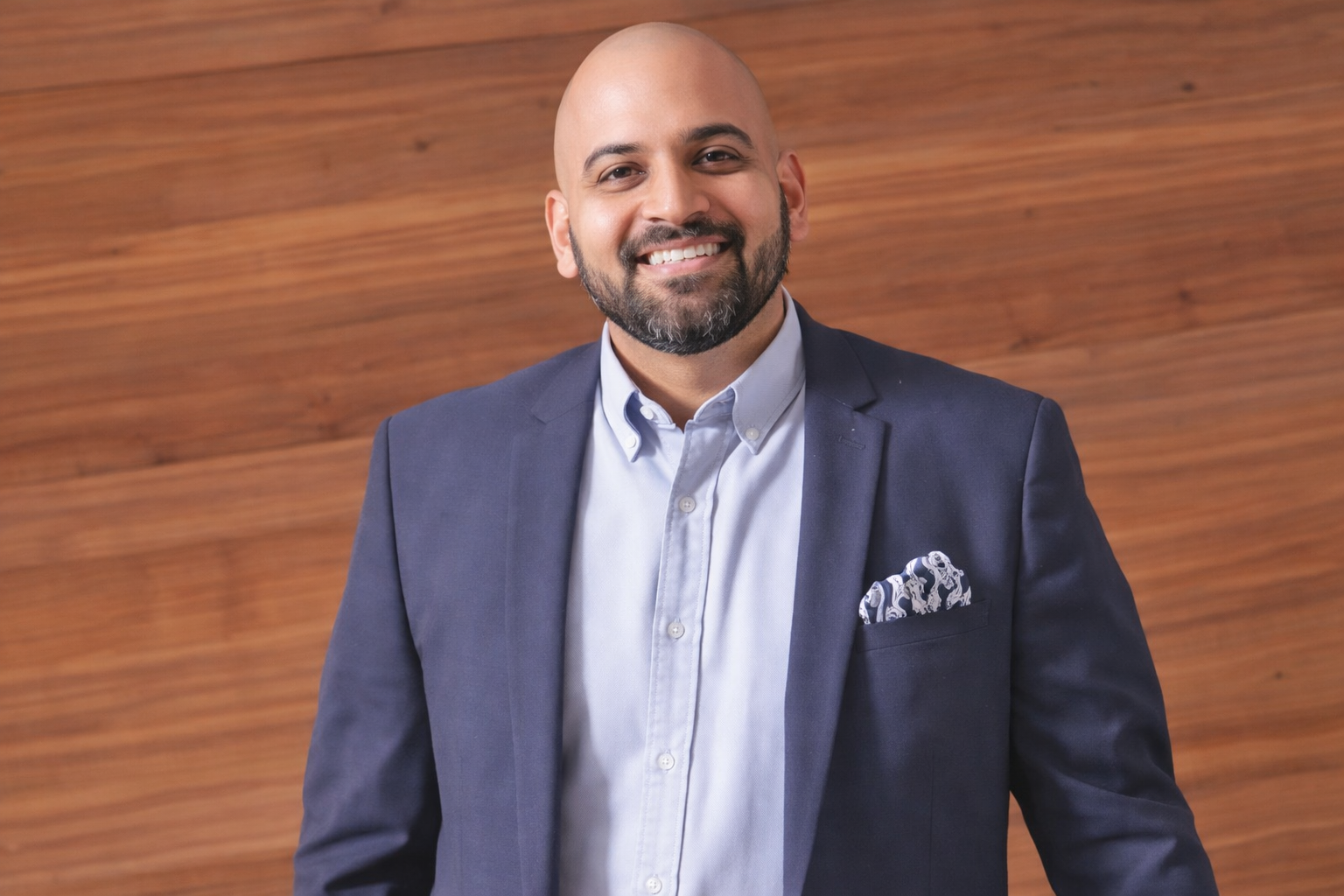
Exports currently contribute around 10 per cent of MIL’s ₹2,845-crore revenue, but this share is set to rise as the company pivots strategically from fabrics to garments. To capitalise on this shift, MIL recently established a dedicated garment-export subsidiary. “Two months ago we formed a subsidiary which will be focussed on garment exports.” said Managing Director Priyavrata Mafatlal who was at the company’s manufacturing plant at Nadiad in Gujarat on Tuesday. In the new subsidiary Mafatlal Apparel Exports Pvt Ltd MIL owns 51 per cent Stake.
MIL has long exported voile fabrics to West Asia , but is now investing aggressively in building markets similar to India in terms of school, corporate and institutional uniform demand. “Over the last 10-15 years we have focussed our energies on scaling up and getting stronger in India… Now we are building the market in the middle-east which is similar to that of India in terms of tastes, school and corporate uniforms,” he said.
With its new subsidiary, Mafatlal is expanding its global grid into Latin America, Europe and Far-East markets including Japan and Australia. “With the apparel subsidiary coming, our focus will be on (exports) to Latin America, Europe and Far-East including Japan and Australia,” Mafatlal who is a fifth-generation entrepreneur from his family. Founded in 1905, MIL has evolved from a traditional textile mill into a diversified enterprise with businesses across textiles, technical textiles, hygiene products, consumer durables and digital infrastructure. The company serves schoolchildren, blue-collar workers, low-income households and retail consumers through its manufacturing base in Nadiad.
Defence Uniforms
MIL is also making a strong comeback in defence uniforms a segment it once dominated from the 1960s to the 1980s after the government opened tender participation to private players. “Uniforms for the defence is a segment we have re-entered… We recently supplied 15-20 percent of the requirement for the new uniform that the Indian Army came up with,” Mafatlal said without disclosing the numbers.
The company’s defence footprint already extends beyond India. MIL has supplied uniforms to Army and Police forces in several West Asian countries and is exploring opportunities with other global law-enforcement agencies, including potential contracts such as uniforms for Spanish police. “We would like to expand and look at the demand for uniforms for armed forces, hospitals, hotels and schools,” he added.
Mafatlal Industries remains India’s market leader in school and corporate uniforms, with the segment growing 15–20 per cent last year. The company has also moved into hospital uniforms, driven by demand for advanced finishes. “In the last 2-3 years, we have added hospital uniforms because there are certain specific finishes that are needed including antimicrobial,” the official said.
MIL’s technical textiles division manufactures non-woven fabrics used in medical applications, sanitary napkins, baby diapers and adult diapers serving essential health and hygiene needs across age groups and supporting MIL’s long-term diversification strategy. With expanding export markets, a resurgence in defence uniforms, and a long legacy in textile manufacturing, MIL is positioning itself as a formidable global player. “With us expanding, we would like to become a significant player in the global market in the uniform space in the next 2-3 years,” Mafatlal added