

The best power cable cleats for industrial power installations are stainless steel trefoil cleats from brands like Panduit and CMP Products. These electrical cable cleats provide superior short-circuit protection, durability in harsh environments, and compliance with IEC 61914 standards, minimizing cable failures by up to 40%.
What Are Power Cable Cleats?
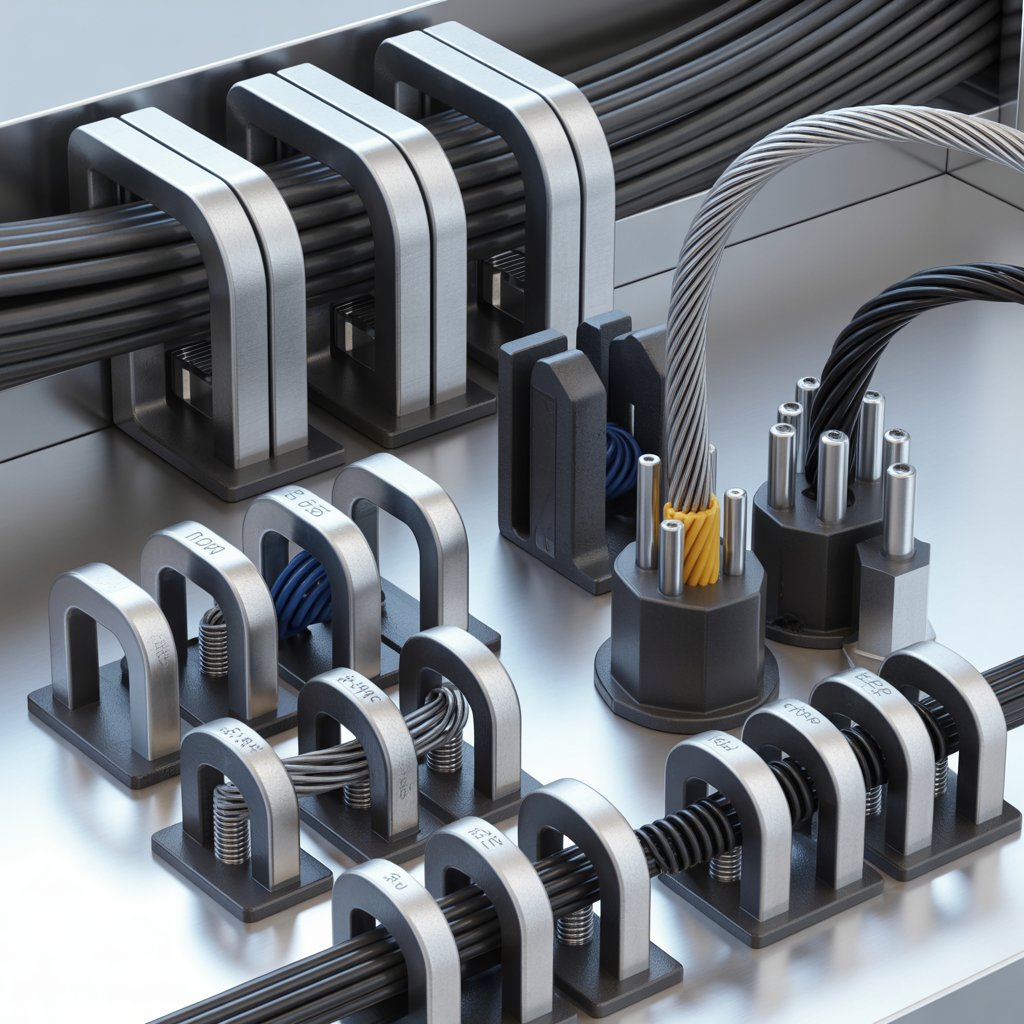
Power cable cleats are devices that secure and support electrical cables in industrial settings. They prevent movement during short circuits, reducing damage to infrastructure and personnel.
Unlike simple clamps, these cleats handle high fault currents and mechanical stress. In industrial power installations, they ensure reliable cable containment.
Types of Best Cable Cleats for Industrial Use
Choosing the right electrical cable cleat depends on voltage, environment, and cable configuration. Here are top options:
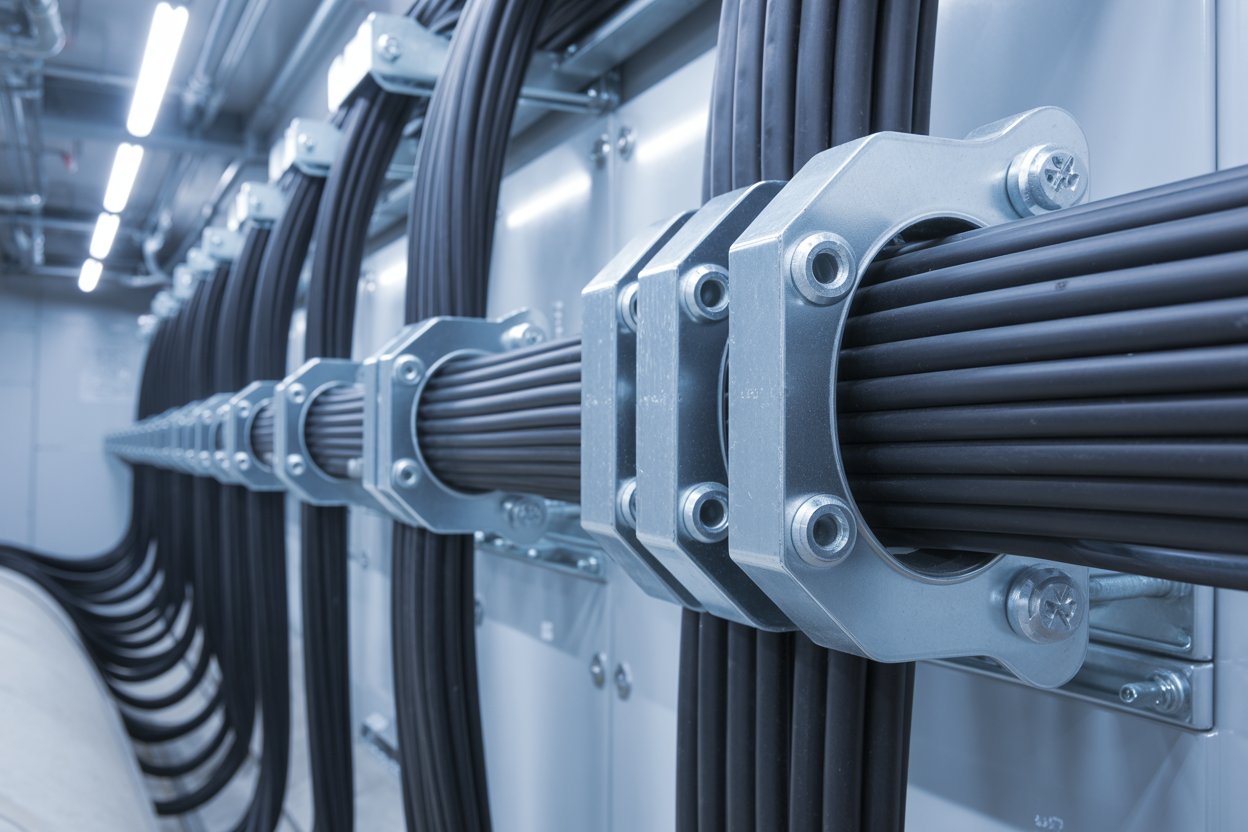
Stainless Steel Trefoil Cleats
Ideal for high-voltage systems.
Brands: Panduit, Ellis Patents Emperor.
Benefits: Corrosion-resistant, withstands peak currents up to 63kA.
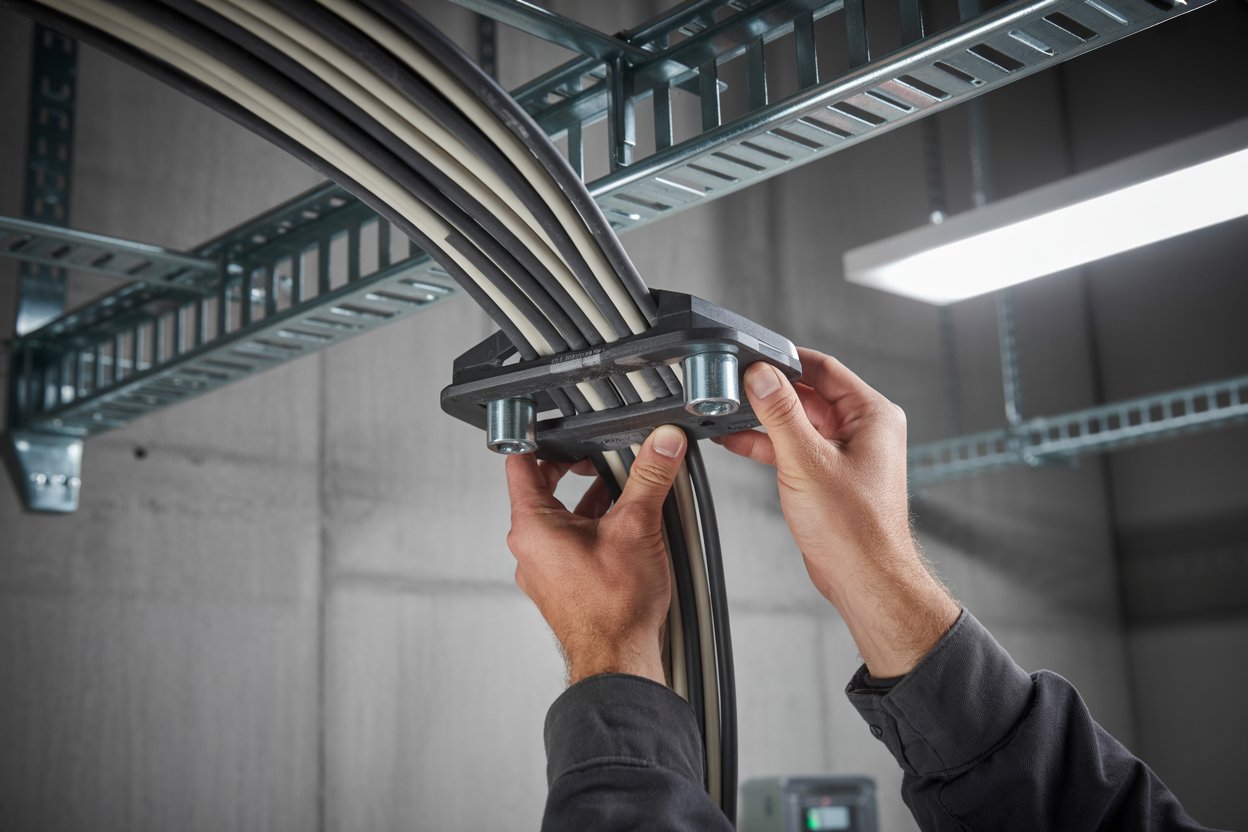
Fire-Rated Polymer Cleats
Best for indoor installations with fire risks.
Brands: CMP Triton, TE Connectivity V0.
Benefits: Flame-retardant, lightweight, easy installation.
Aluminum Single-Bolt Cleats
Suited for trefoil or single-core cables.
Brands: Reliance from Batt Cables.
Benefits: Cost-effective, quick setup in industrial plants.
Factors to Consider When Selecting Power Cable Cleats
To pick the best cable cleats, evaluate these:
Material Durability: Stainless steel for corrosive settings; polymer for fire safety.
Short-Circuit Rating: Must match system faults; IEC 61914 compliant.
Cable Configuration: Trefoil for three-phase, single for individual cables.
Environmental Conditions: Offshore or data centers need robust options.
Expert Insight: Electrical engineer Sarah Thompson advises, "Over-tightening can crack plastic cleats; always follow manufacturer torque specs."
Cable Cleat Installation Best Practices
Proper cable cleat installation ensures safety and longevity. Follow this step-by-step guide:
Select Cleat Type: Match to cable diameter and fault current.
Measure Spacing: Install every 300mm at direction changes; 600-1200mm on straight runs.
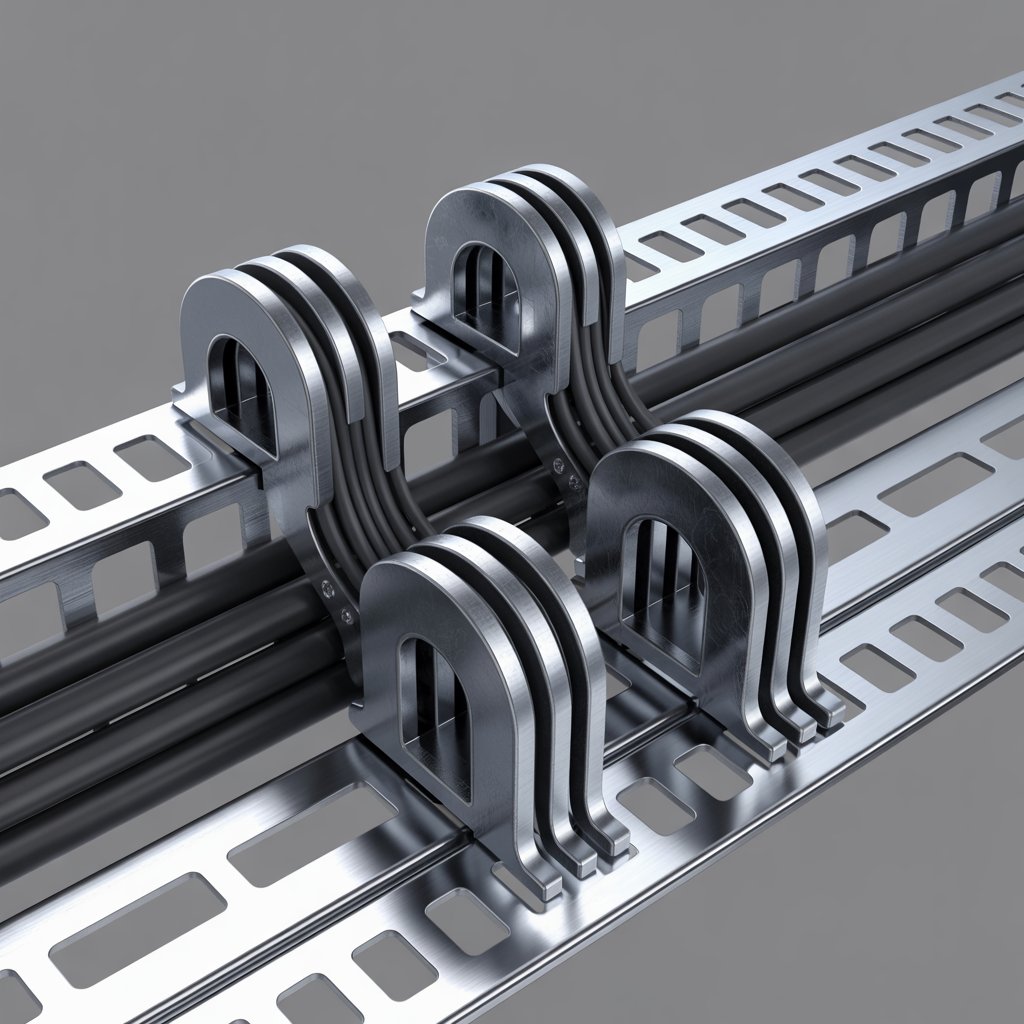
Mark Positions: Align with cable tray or ladder.
Secure Fasteners: Use bolts; avoid over-tightening.
Inspect Alignment: Check for stress-free cable fit.
Test Installation: Verify under load conditions.
Real-Life Example: In a UK industrial plant, improper spacing led to cable failure during a short circuit, costing thousands—prevented by CMP cleats in retrofits.
Benefits of Using Top Electrical Cable Cleats
Safety Enhancement: Reduces risks from short circuits, protecting workers.
Cost Savings: Prevents downtime; 78% of construction firms note rising project risks without proper cleats.
Compliance: Meets IEC standards, avoiding rework.
Efficiency: Improves airflow, cuts overheating in data centers.
Statistics: 40% of cable failures stem from poor cleat selection, per IEEE studies. The global market grows at 9.13% CAGR, reaching $666.78 million by 2032.
Expert Insights and Real-Life Examples
Experts emphasize cleats' role in high-power environments. "Cleats must withstand currents; use selectors for layout," says an IEEE engineer.
Example: Offshore platforms use stainless steel cleats to handle vibrations, preventing failures that could halt operations. In data centers, fire-rated cleats saved equipment during a 2024 incident.
Conclusion
Key takeaways: Choose stainless steel or fire-rated electrical cable cleats from reputable brands for optimal industrial performance. Prioritize IEC compliance and proper installation to enhance safety and reduce failures.
Contact suppliers today for tailored power cable cleats solutions.
FAQs
What are the best cable cleats for high-voltage installations?
Stainless steel trefoil cleats from Panduit or Ellis Patents, rated for high fault currents.
How do I install cable cleats correctly?
Follow spacing guidelines, use proper torque, and align with cable configuration.
Why are power cable cleats important in industry?
They prevent cable movement during faults, ensuring safety and compliance.
What materials are best for electrical cable cleats?
Stainless steel for durability; polymer for fire resistance.
How often should cable cleats be spaced?
Every 300mm at bends; 600-1200mm on straights.
Are there standards for cable cleat installation?
Yes, IEC 61914 for design and testing.
Which brands offer the best power cable cleats?
Panduit, CMP Products, Ellis Patents, and TE Connectivity.