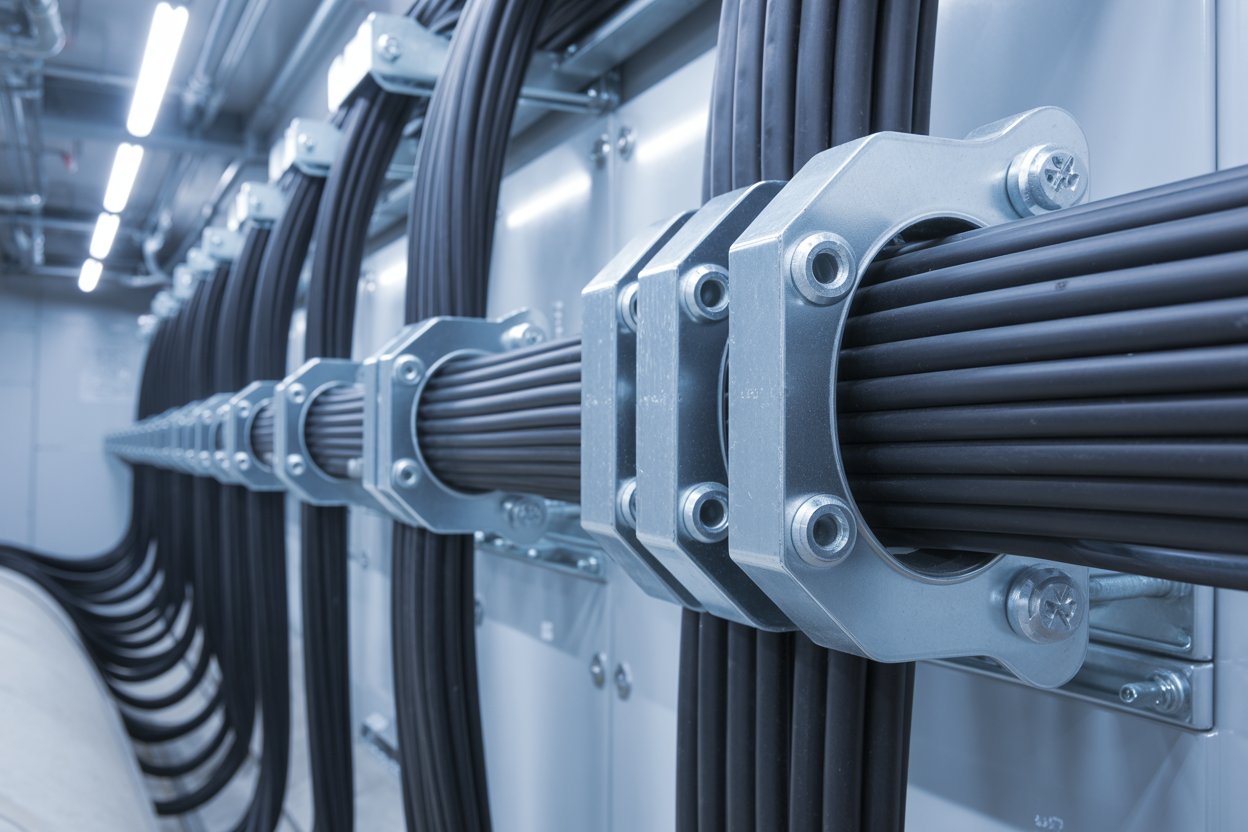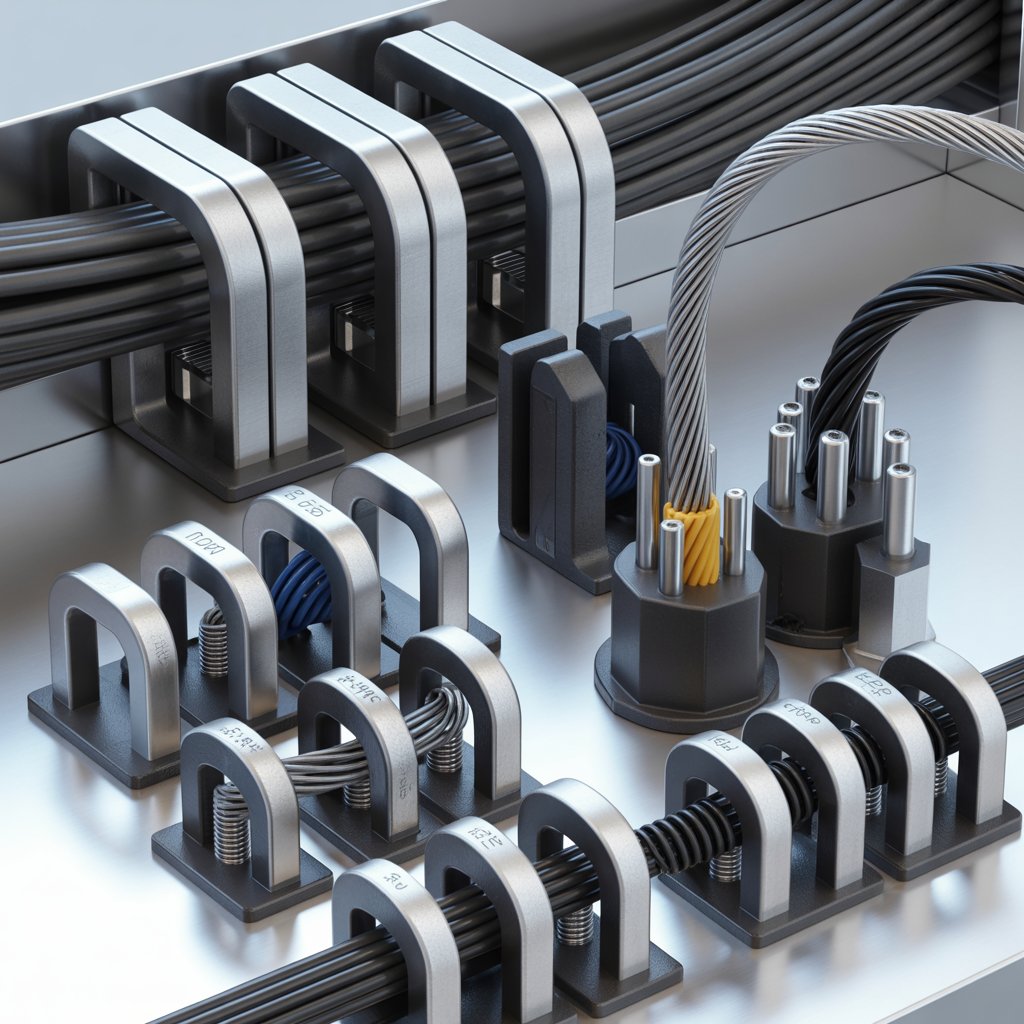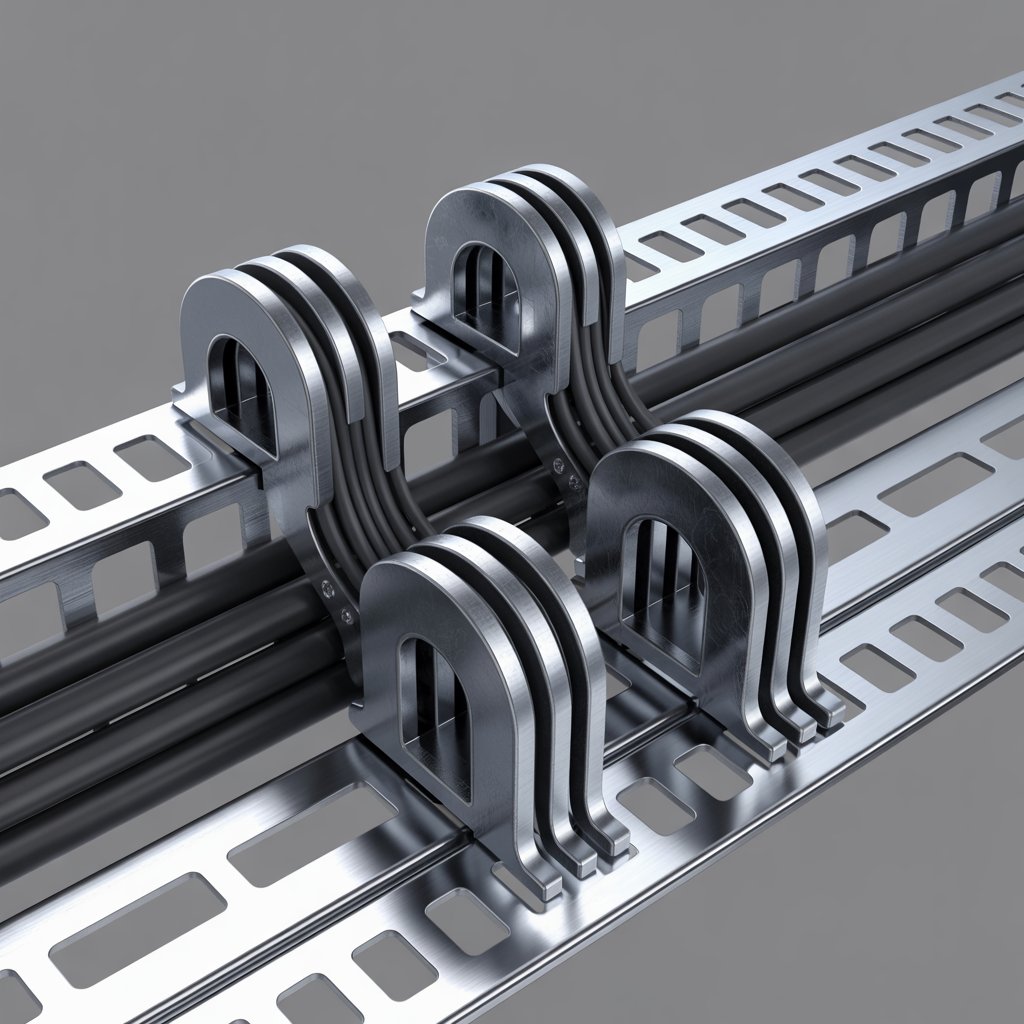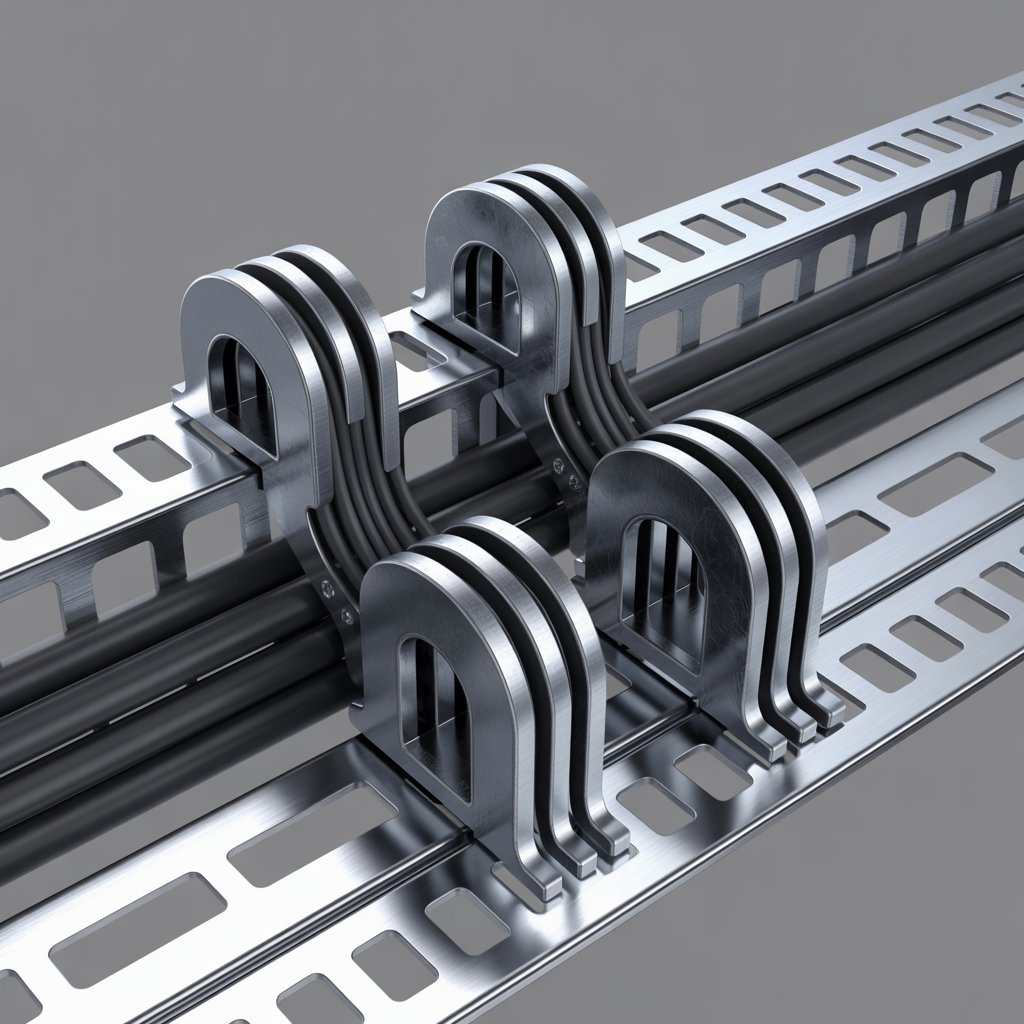


Cable cleat installation secures electrical cables to prevent damage from short circuits, vibrations, and environmental factors. Start by selecting the appropriate cleat type based on cable diameter and configuration, calculate spacing using tools like the Panduit Cleat kAlculator, mount cleats every 0.3–1.2 meters per IEC 61914 standards, and inspect for tightness and alignment. This ensures safety, compliance, and longevity in installations.
What Are Cable Cleats?
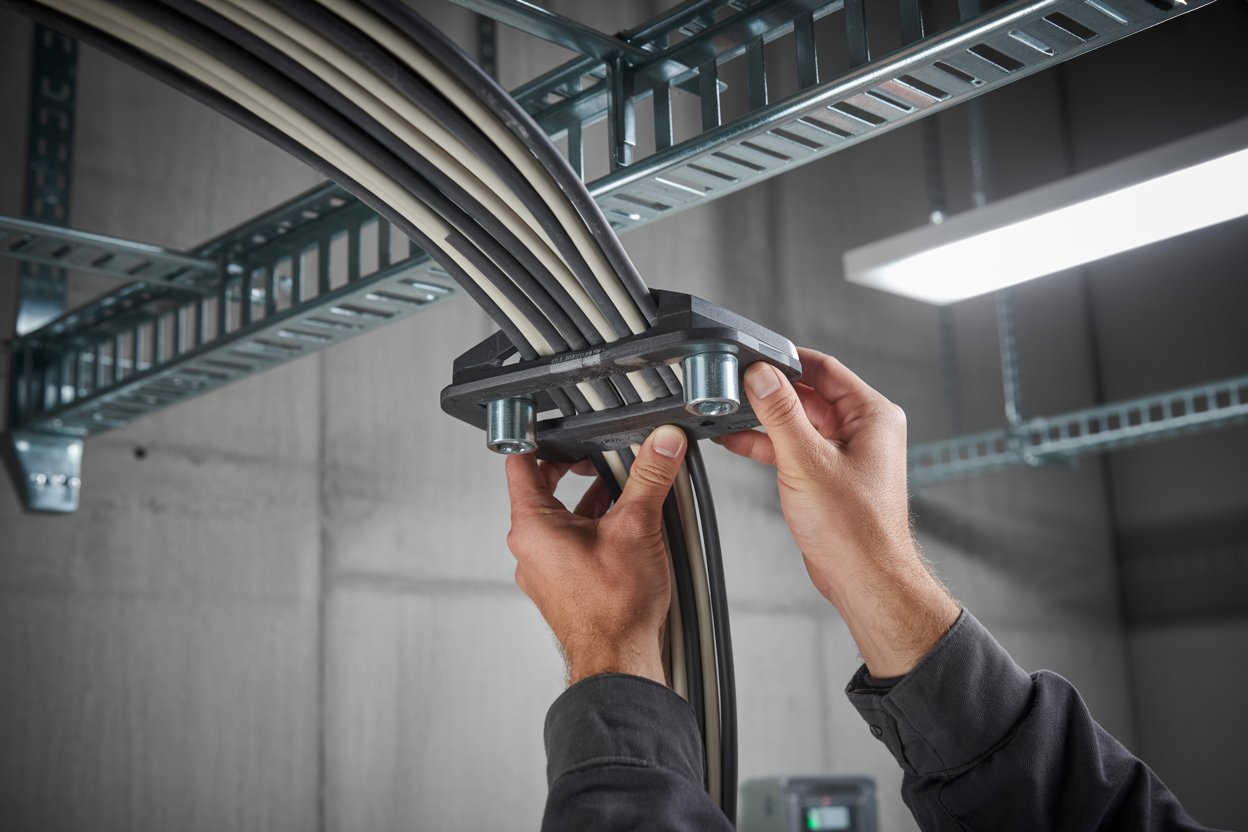
Cable cleats are devices designed to secure cables in electrical installations. They hold cables firmly, reducing movement and protecting against electromechanical forces during faults. Unlike ties or clamps, cleats are engineered for high-stress environments like data centers or industrial sites.
These components comply with international standards, ensuring cables remain contained. Proper use prevents cable whipping, which can cause injuries or equipment damage.
Types of Cable Cleats
Cable cleats vary by design, material, and application. Choosing the right type is crucial for effective cable cleat installation.
Metallic Cable Cleats
Metallic options, like aluminum or stainless steel, offer durability in harsh conditions. They dominate the market for large-scale projects due to strength.
Aluminum Claw Cleats: Ideal for single cables, available in diameters from 10mm to 51mm.
Stainless Steel Cleats: Corrosion-resistant, suited for offshore or chemical plants.
Non-Metallic Cable Cleats
Non-metallic cleats, made from polymers, are lightweight and growing at a 10.08% CAGR through 2032. They reduce installation costs and resist UV and chemicals.
Plastic Telcleats: Versatile for varying diameters, stackable for multiple cables.
Benefits of Proper Cable Cleat Installation
Installing cable cleats correctly enhances safety and efficiency. They reduce mechanical load on joints, control cable expansion from heat, and guide cables in any orientation.
Statistics show that short-circuit faults can generate forces up to 100kA, but cleats mitigate this, preventing 90% of potential damages in compliant setups. In data centers, cleats protect against downtime, with one study noting a 25% reduction in maintenance costs.
Real-life example: A UK offshore platform avoided cable failure during a 50kA fault by using IEC 61914-compliant cleats, saving £500,000 in repairs.
Tools and Materials Needed for Cable Cleat Installation
Gather essentials before starting.
Tools: Drill, torque wrench, measuring tape, markers.
Materials: Cleats, fasteners (bolts, nuts), liners for insulation.
Safety Gear: Gloves, goggles, insulated tools.
Expert tip from Panduit engineers: Use a torque wrench to avoid over-tightening, which can damage cables.
Step-by-Step Guide to Cable Cleat Installation
Follow this numbered guide for beginner-to-pro results. Always reference IEC 61914 for spacing and testing.
Assess and Select Cleats: Measure cable diameter and configuration (e.g., trefoil). Choose based on environment—metallic for outdoors.
Plan Layout: Calculate spacing using apps like Panduit Cleat kAlculator. Input peak short-circuit current and diameter for recommendations. Typical spacing: 0.3–0.6m for high-voltage.
Prepare Surface: Clean mounting areas (trays, walls) of debris. Ensure supports can withstand forces.
Mount Cleats: Fix one half if two-bolt design, lay cable, secure the other. Tighten to fit snugly without gaps.
Inspect and Test: Check alignment, tightness, and compliance. Simulate loads if possible.
For outdoor installations, add weatherproofing seals.
Common Mistakes in Cable Cleat Installation and How to Avoid Them
Avoid pitfalls for reliable setups.
Incorrect Spacing: Leads to cable sagging. Solution: Use calculators.
Wrong Material: Plastic in corrosive areas fails. Choose stainless steel.
Over-Tightening: Damages insulation. Use torque specs.
Bullet points for quick fixes:
Double-check diameters.
Align with cable trays.
Test for axial load.
Expert Insights on Advanced Cable Cleat Techniques
Brian from CMP Products emphasizes cleats over ties for data centers, reducing short-circuit risks by 40%. In high-voltage systems, trefoil cleats minimize electromagnetic interference.
Case study: A chemical plant in Texas installed non-metallic cleats, cutting installation time by 30% and passing corrosion tests per IEC 61914.
Pro tip: For vertical runs, increase cleat density to counter gravity.
Statistics Highlighting the Importance of Cable Cleats
The cable cleats market is booming, driven by safety needs. Non-metallic segments grow at 10.08% CAGR, valued for ease in harsh environments.
IEC 61914 compliance reduces fault-related incidents by 70%, per industry reports. In the US, NEC 392.20(C) references cleats for tray safety, preventing millions in annual losses.
Conclusion: Master Cable Cleat Installation for Safer Systems
Key takeaways:
Select cleats matching cable specs and standards.
Follow step-by-step installation for compliance.
Use tools like calculators for precision.
Prioritize safety to avoid costly faults.
Ready to upgrade your installation? Contact Nasco for premium cable cleats and expert advice—secure your setup today!
FAQs
What is a cable cleat used for?
A cable cleat secures cables to prevent movement during short circuits, ensuring safety and compliance with IEC 61914.
How do you install cable cleats?
Measure cables, select type, plan spacing (0.3–1.2m), mount securely, and inspect per guidelines.
What are the different types of cable cleats?
Types include single, trefoil, metallic (aluminum, steel), and non-metallic (polymer) for various environments.
How far apart should cable cleats be?
Spacing depends on short-circuit current; use apps like Panduit Cleat kAlculator for 0.3–0.6m in high-voltage setups.
Are cable cleats necessary for all installations?
Yes, especially in high-power areas to comply with standards and protect against faults.
What materials are best for outdoor cable cleat installation?
Stainless steel or corrosion-resistant polymers for UV and weather resistance.
How do cable cleats improve electrical safety?
They contain cables during faults, reducing injury risks and equipment damage by up to 90%.