


Growth is a goal for every marketing agency, but growth without structure often creates more problems than progress. As agencies onboard more clients, expand service offerings, and hire new team members, managing relationships and workflows becomes increasingly complex. This is where CRM Platforms play a practical and strategic role. Rather than acting as just another tool, a well-implemented CRM becomes the system that holds the agency together as it scales.
For marketing agencies focused on long-term stability, client retention, and predictable revenue, using the right CRM is no longer optional.
Why Growth Creates Pressure Inside Marketing Agencies
Most marketing agencies begin with simple systems. Emails, spreadsheets, chat tools, and task boards work well at an early stage. But once the agency starts handling multiple clients, campaigns, and deadlines at the same time, cracks appear.
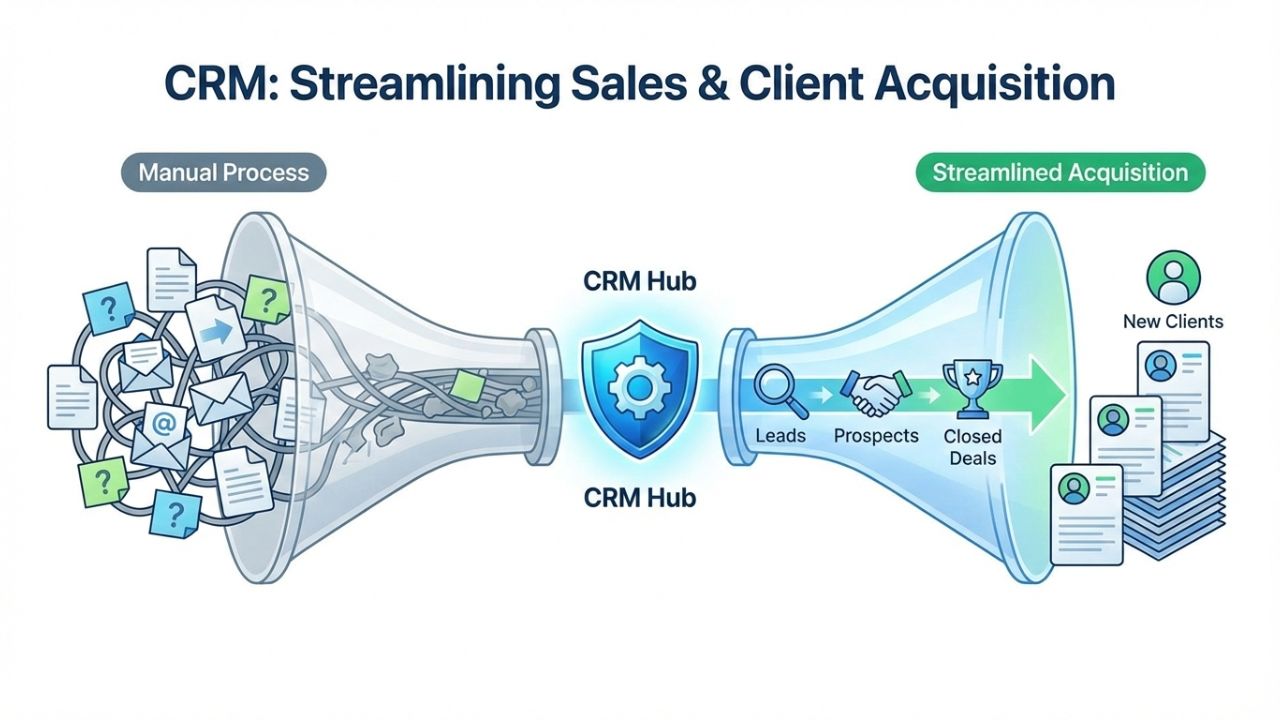
Common challenges include poor visibility into active deals, inconsistent follow-ups, scattered client information, and teams working in silos. Leadership often relies on assumptions instead of real data because information lives in too many places.
These problems do not appear overnight, but they compound quickly as the agency grows.
What CRM Platforms Actually Do for Marketing Agencies
A CRM is often misunderstood as a sales-only tool. For marketing agencies, its value goes far beyond lead tracking. CRM Platforms centralize client data, sales activity, communication history, and performance metrics into a single system.
This creates continuity across teams. Sales knows what marketing promised. Account managers understand client expectations. Delivery teams work with clarity instead of guesswork. When everyone operates from the same information, execution becomes smoother and more reliable.
Centralized Client Information Improves Daily Operations
One of the most immediate benefits of a CRM is having all client-related data in one place. This includes contact details, contracts, notes, campaign history, and communication logs.
When team members do not need to search across emails or internal messages, productivity improves naturally. New hires ramp up faster. Client handovers become seamless. Mistakes caused by missing context are reduced.
This centralized structure also builds trust with clients, as agencies respond faster and with better awareness of ongoing work.
Stronger Lead Management and Higher Conversion Rates
Marketing agencies rely heavily on consistent deal flow. Without a structured process, leads often go cold due to delayed responses or poor follow-up.
A CRM helps agencies track every inquiry from first contact to final decision. Automated reminders ensure timely responses. Deal stages make it clear where prospects drop off and why.
As a result, agencies improve close rates without increasing marketing spend or hiring more sales staff. Better organization leads to better outcomes.
Clear Visibility Into Sales and Revenue Pipelines
Growth requires predictability. Agency owners and managers need to know what revenue is coming in and when. CRM dashboards provide real-time insights into active deals, expected revenue, and pipeline health.
Instead of relying on manual reports or gut instinct, leadership can make informed decisions about hiring, pricing, and expansion. This clarity becomes essential when managing cash flow and planning future growth.
Improved Collaboration Across Teams
Marketing agencies often struggle with internal alignment, especially as teams grow. Sales, account management, and execution teams may work toward the same goal but lack shared visibility.
CRM Platforms bridge this gap by keeping everyone aligned around the client lifecycle. Updates are visible, tasks are assigned clearly, and accountability is built into workflows.
This reduces internal friction and improves the overall quality of work delivered to clients.
Smarter Automation That Saves Time and Reduces Errors
Manual processes consume time and introduce risk. CRMs help agencies automate repetitive tasks such as lead assignment, onboarding steps, and follow-up reminders.
Automation does not replace human effort. Instead, it removes busywork so teams can focus on strategy, creativity, and client relationships. When done correctly, automation improves consistency while maintaining a personal touch.
Better Client Retention Through Organized Account Management
Winning a client is only the first step. Retaining clients requires consistent communication, performance tracking, and proactive engagement.
CRMs help agencies stay ahead by tracking milestones, renewal dates, and client feedback. Account managers gain a complete view of each relationship, allowing them to anticipate issues before they escalate.
This proactive approach strengthens trust and increases lifetime value.
Data-Driven Insights That Support Smarter Decisions
As agencies grow, intuition alone is not enough. CRMs provide access to meaningful data that helps agencies understand what works and what does not.
Agencies can analyze lead sources, service performance, client retention trends, and team productivity. These insights support better strategic decisions, from refining service offerings to improving internal processes.
Growth driven by data is more sustainable than growth driven by guesswork.
When Marketing Agencies Should Adopt a CRM
Many agencies wait too long to implement a CRM, assuming it is only needed at a later stage. In reality, early adoption prevents operational debt from building up.
Signs that it is time include managing multiple active clients, handling inbound leads regularly, or struggling with internal coordination. At this stage, CRM Platforms shift from being helpful to being essential.
Choosing the Right CRM for Long-Term Agency Growth
Not all CRMs are built with agencies in mind. The right platform should be easy to use, adaptable to different workflows, and scalable as the agency grows.
Agencies should prioritize usability, customization, reporting capabilities, and ongoing support. A CRM should support how the agency works rather than forcing rigid processes.
A Practical Way to Organize Growth Without Chaos
Marketing agencies looking to streamline operations and improve visibility can explore the JJungles CRM platform. Designed to support growing teams, it helps agencies manage clients, sales pipelines, and internal workflows from one connected system. This structured approach allows agencies to focus more on delivering results and less on managing disconnected tools.
Building a Strong Foundation for Sustainable Growth
Growth should create momentum, not stress. With the right systems in place, marketing agencies can scale confidently while maintaining quality and control.
By using CRM Platforms effectively, agencies gain clarity, consistency, and the ability to grow without losing focus. The result is a stronger business built on organized processes, informed decisions, and long-term client relationships.