






Every growing business reaches a point where managing customers through emails, spreadsheets, and memory stops working. This is where CRM tools become essential. They provide structure, visibility, and consistency at a stage when growth starts to strain existing processes. Businesses that adopt the right CRM early tend to scale faster, serve customers better, and make smarter decisions backed by real data instead of guesswork.
Growth is not only about acquiring more customers. It is about managing relationships efficiently as volume increases, without losing quality or control.
The Role of CRM in Modern Business Operations
CRM tools act as a central system where all customer related information lives. Instead of data being scattered across inboxes, documents, and personal notes, everything is stored in one place and accessible to the right teams.
This centralized approach helps businesses:
- Maintain a complete view of each customer
- Track conversations and interactions over time
- Ensure continuity even when team members change
- Reduce dependency on individual knowledge
As operations grow more complex, having one reliable source of truth becomes critical.
CRM Tools Improve Sales Consistency and Revenue Predictability
One of the biggest advantages of CRM tools is how they bring structure to sales activities. Without a system, sales performance often depends on individual habits rather than repeatable processes.
CRM platforms help by:
- Tracking leads from first contact to conversion
- Providing clear pipeline visibility
- Ensuring follow ups happen on time
- Identifying stalled or high potential deals
With this visibility, managers can forecast revenue more accurately and address issues before they impact results. Sales teams work with clarity instead of pressure.
Stronger Customer Relationships Through Better Context
Customers expect businesses to remember their history, preferences, and past issues. CRM tools make this possible at scale.
When teams can see previous interactions, purchases, and support requests, conversations become more relevant and personal. Customers do not have to repeat themselves, and issues are resolved faster.
This level of context:
- Builds trust
- Improves customer satisfaction
- Increases repeat business
- Strengthens long term loyalty
Growth fueled by retention is more sustainable than growth driven only by acquisition.
CRM Supports Collaboration Across Teams
As businesses grow, silos naturally form. Sales, marketing, and support teams often work with different tools and data sets, which leads to misalignment.
CRM tools act as a shared workspace where teams can:
- Access the same customer information
- Coordinate handoffs smoothly
- Avoid duplicate or conflicting communication
- Stay aligned on account status
Better collaboration reduces friction and creates a more consistent customer experience.
Data Driven Decisions Become Easier
Growth decisions carry higher stakes. Expanding into new markets, hiring teams, or investing in campaigns requires reliable insights.
CRM reporting helps leaders understand:
- Which channels bring the best leads
- Where deals are getting stuck
- How long the sales cycle actually is
- Which customers deliver the most value
Instead of relying on assumptions, businesses can use real data to guide strategy and reduce risk.
Automation Frees Teams to Focus on High Value Work
Manual tasks multiply as a business grows. Follow up emails, reminders, data entry, and status updates consume time that could be spent on strategy or customer engagement.
CRM tools automate routine actions such as:
- Follow up reminders
- Lead assignments
- Status updates
- Basic communications
Automation does not replace people. It supports them by removing repetitive work and reducing errors.
CRM Tools Scale With the Business
What works for a small team rarely works for a growing one. CRM platforms are designed to scale as needs evolve.
As businesses grow, CRM systems can support:
- More users and teams
- Advanced workflows
- Deeper integrations
- Custom reporting
This scalability allows companies to grow without constantly switching tools or rebuilding processes.
Improved Customer Support and Retention
Support quality often suffers during rapid growth. CRM tools help maintain service standards even as volume increases.
With a shared customer history, support teams can:
- Resolve issues faster
- Understand recurring problems
- Prioritize high value customers
- Track resolution performance
Better support leads to higher retention, which directly impacts long term growth.
Integration With the Broader Business Ecosystem
CRM tools rarely operate alone. They connect with marketing platforms, accounting software, customer support systems, and communication tools.
Strong integrations ensure:
- Consistent data across systems
- Fewer manual updates
- Cleaner reporting
- Smoother workflows
An integrated tech stack allows the business to operate as one system rather than disconnected parts.
When Standard CRM Tools Are Not Enough
While many off the shelf CRM tools work well initially, growing businesses often outgrow rigid systems. Unique workflows, custom reporting needs, or industry specific requirements can make standard platforms feel limiting.
This is where tailored CRM solutions for growing businesses become valuable. Custom systems allow companies to design workflows around how they actually operate instead of forcing teams to adapt. Businesses exploring scalable and flexible CRM development can learn more at JJungles.
Why CRM Adoption Matters as Much as the Tool
Even the best CRM tool delivers no value if teams do not use it properly. Successful adoption requires:
- Clear internal processes
- Training and onboarding
- Leadership involvement
- Ongoing optimization
Businesses that treat CRM as a long term system rather than a one time setup see far better results.
Final Thoughts on CRM and Business Growth
CRM tools are no longer optional for businesses aiming to grow sustainably. They bring structure, visibility, and efficiency at a time when complexity increases. From sales and support to reporting and collaboration, a well implemented CRM strengthens every part of the business.
For companies looking to build or customize CRM systems that align with their growth strategy, JJungles provides practical expertise focused on flexibility, usability, and long term value.





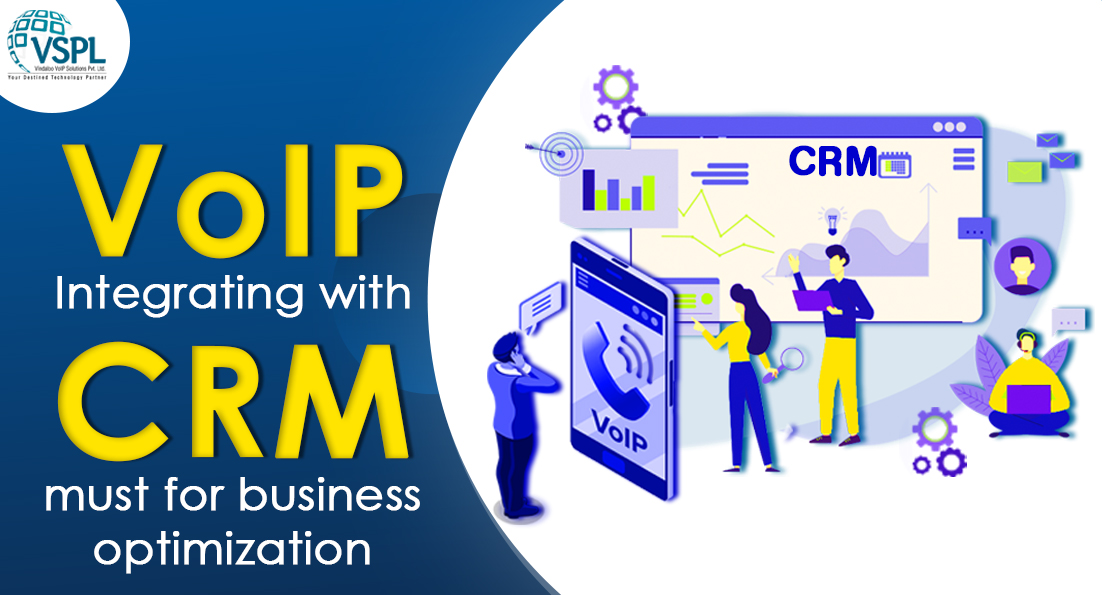
As technology makes continuous progress, conventional phones are being replaced by the better operating VoIP phone system.
To further add to its advantage, VoIP phone systems are being integrated with CRM software.
Find out how it’s beneficial to your business.
For more information please visit: https://www.vindaloovoip.com/blog/voip-integrating-crm-must-for-business-optimization/