In today’s digital environment, organizations face growing risks related to data breaches, cyberattacks, and information misuse. Managing information security in an unstructured way is no longer sufficient. This is where ISO 27001 plays a vital role. ISO 27001 is an international standard that provides a systematic approach to managing sensitive information. By implementing ISO 27001, organizations can strengthen their Information Security Management System (ISMS) and ensure confidentiality, integrity, and availability of information assets.
What is ISO 27001?
ISO 27001 is a global standard for information security management that defines the requirements for establishing, implementing, maintaining, and continually improving an ISMS. It is applicable to organizations of all sizes and sectors. The standard focuses on protecting information assets through a combination of policies, procedures, and controls. ISO 27001 aligns information security with business objectives and supports risk-based decision-making.
Building a Systematic ISMS Framework
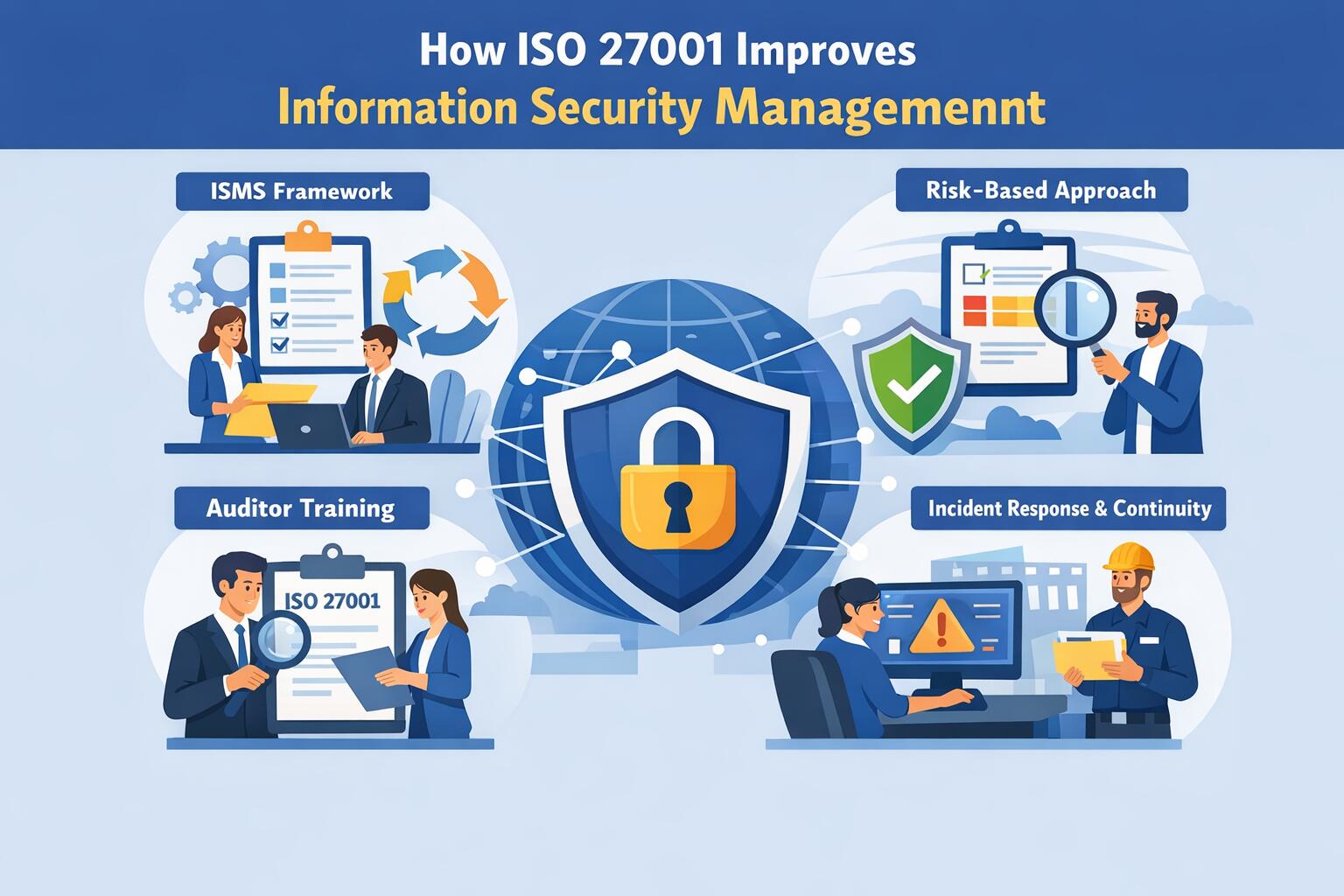
ISO 27001 provides a structured management system framework based on the Plan–Do–Check–Act (PDCA) cycle. Organizations define the scope of their ISMS, document security policies, and establish operational controls. This systematic approach ensures consistency, accountability, and effective control of information security activities across the organization.
Risk-Based Approach to Information Security
One of the key strengths of ISO 27001 is its risk-based approach. Organizations are required to identify information assets, assess risks, and implement suitable risk treatment measures. Controls are selected based on actual risks rather than assumptions. The Statement of Applicability (SoA) ensures transparency in control selection and implementation, making security efforts targeted and measurable.
How ISO 27001 Auditor Training is Beneficial in ISMS
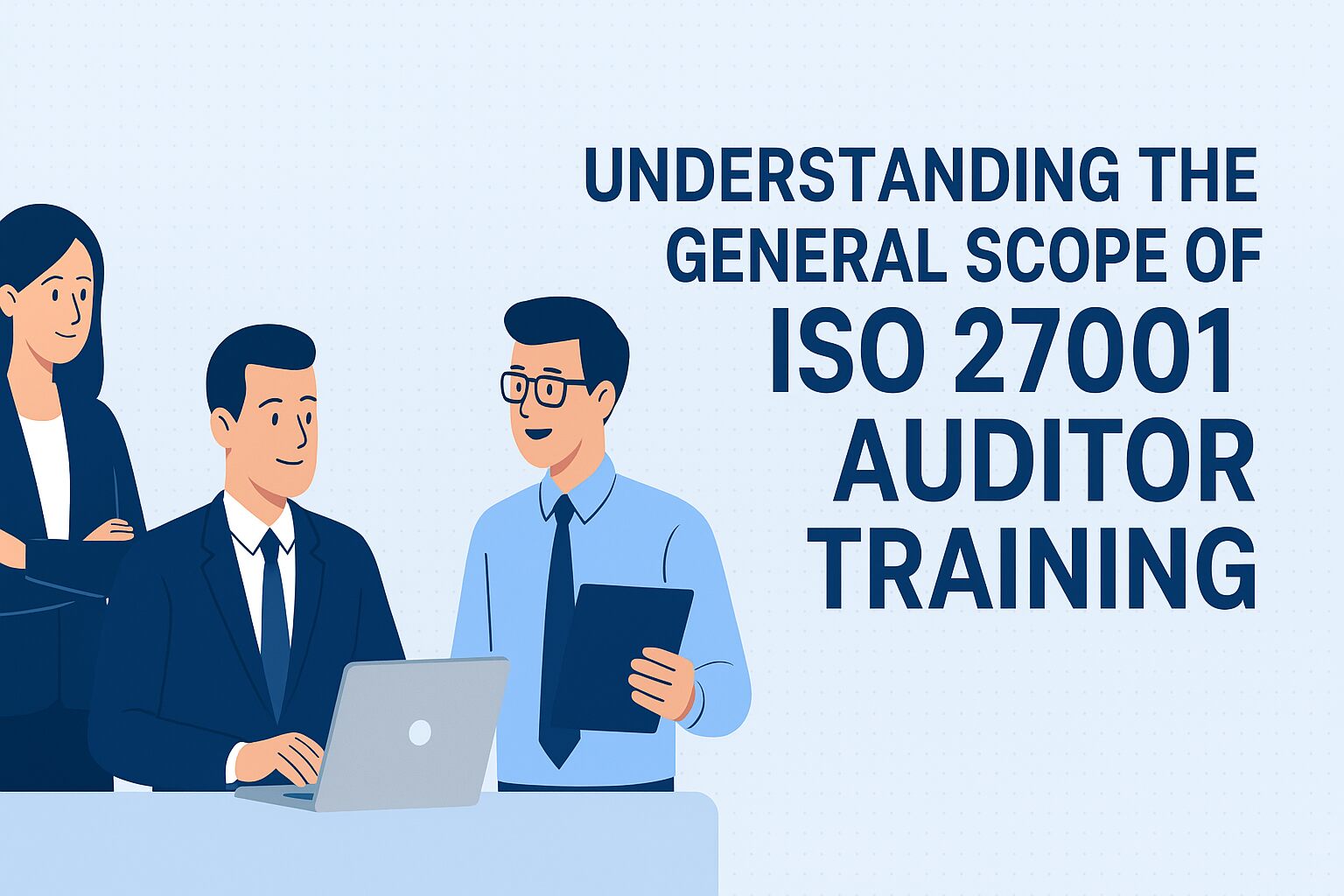
An ISO 27001 Auditor Training plays a crucial role in strengthening an organization’s Information Security Management System (ISMS). The training equips professionals with a clear understanding of ISO 27001 requirements, Annex A controls, and the risk-based approach essential for effective information security management. Trained auditors can independently assess the adequacy and effectiveness of ISMS implementation, identify gaps, and ensure compliance with standard requirements.
Auditor training enhances skills in planning, conducting, reporting, and following up on audits, which helps organizations detect weaknesses before they lead to security incidents. It also promotes consistent audit practices, improves documentation quality, and supports continual improvement of the ISMS. By developing internal audit competence, organizations reduce dependency on external auditors, strengthen governance, and improve preparedness for certification and surveillance audits.
Risk-Based Approach to Information Security
One of the key strengths of ISO 27001 is its risk-based approach. Organizations are required to identify information assets, assess risks, and implement suitable risk treatment measures. Controls are selected based on actual risks rather than assumptions. The Statement of Applicability (SoA) ensures transparency in control selection and implementation, making security efforts targeted and measurable.
Enhanced Incident Management and Business Continuity
ISO 27001 requires organizations to establish incident management procedures for identifying, reporting, and responding to security incidents. Learning from incidents enables corrective actions and strengthens resilience. The standard also supports business continuity planning, minimizing disruptions caused by information security failures.
Conclusion
ISO 27001 significantly improves information security management by providing a structured, risk-based, and continuously improving framework. By integrating governance, controls, awareness, and monitoring, organizations can protect information assets effectively while building trust with customers and stakeholders.