




In today’s competitive manufacturing and signage industry, precision and efficiency play a crucial role in delivering high-quality results. One of the most advanced fabrication methods used across signage, metalwork, and custom design projects is water jet and laser cutting. These technologies have transformed how materials are shaped, allowing for cleaner edges, detailed designs, and consistent accuracy across a wide range of applications.
Understanding Water Jet Cutting Technology
Water jet cutting is a process that uses a high-pressure stream of water, often mixed with abrasive materials, to cut through hard surfaces. This method is especially effective for materials that are sensitive to heat, such as aluminum, stainless steel, stone, glass, and composites. Since water jet cutting does not generate heat, it eliminates the risk of warping, discoloration, or structural changes in the material.
For signage and architectural elements, water jet cutting allows manufacturers to create intricate shapes and custom lettering with exceptional precision. It is widely used for thick materials and projects where maintaining the original material properties is essential.
What Makes Laser Cutting So Effective?
Laser cutting uses a highly focused laser beam to cut or engrave materials with extreme accuracy. This method is ideal for metals, acrylics, plastics, and thin sheets where fine detailing is required. Laser cutting delivers smooth edges and sharp finishes, making it a preferred choice for decorative signs, dimensional letters, and branded displays.
Compared to traditional cutting methods, laser cutting offers faster production speeds and minimal material waste. It is also highly consistent, ensuring that every piece matches the original design specifications.
Water Jet and Laser Cutting in the Sign Industry
The combination of water jet and laser cutting plays a vital role in the signage industry. Each method offers unique advantages, allowing fabricators to choose the most suitable technique based on the material, thickness, and design complexity.
Water jet cutting is often used for thicker metals, stone panels, and structural sign components, while laser cutting excels in producing fine details, logos, and precision lettering. Together, these technologies support the creation of durable, visually appealing signage for commercial buildings, storefronts, and outdoor branding.
Benefits of Advanced Cutting Technologies
One of the biggest advantages of using water jet and laser cutting is the level of customization they offer. Businesses can create unique signage designs that reflect their brand identity without compromising quality. These technologies also improve production efficiency, reducing turnaround times and ensuring repeatable accuracy for large projects.
Additionally, both cutting methods are environmentally friendly compared to traditional mechanical cutting. Water jet cutting produces no harmful fumes, while laser cutting minimizes waste through precise material usage.
Applications Beyond Signage
While signage is a major application, water jet and laser cutting are also widely used in architectural design, interior décor, industrial fabrication, and custom metal art. From decorative panels and railings to machine components and artistic installations, these technologies support a wide range of creative and functional projects.
Their versatility makes them ideal for both small custom jobs and large-scale commercial fabrication.
Choosing the Right Cutting Method
Selecting between water jet and laser cutting depends on several factors, including material type, thickness, design detail, and project requirements. Water jet cutting is best suited for thick or heat-sensitive materials, while laser cutting is ideal for projects requiring sharp detail and faster processing times.
Professional fabricators often use both methods to achieve optimal results, ensuring that each project meets design and durability standards.
The Future of Precision Cutting
As technology continues to evolve, water jet and laser cutting systems are becoming even more efficient, accurate, and accessible. Automation, improved software integration, and enhanced cutting capabilities are driving innovation across fabrication industries.
For businesses seeking high-quality signage and custom fabrication, these cutting technologies offer long-term value, reliability, and design freedom.
Conclusion
Water jet and laser cutting have revolutionized modern fabrication by providing unmatched precision, flexibility, and efficiency. Their role in signage, architectural design, and industrial manufacturing continues to grow as businesses demand higher quality and customization. By leveraging these advanced cutting methods, manufacturers can deliver visually striking, durable, and professionally crafted results that stand the test of time.
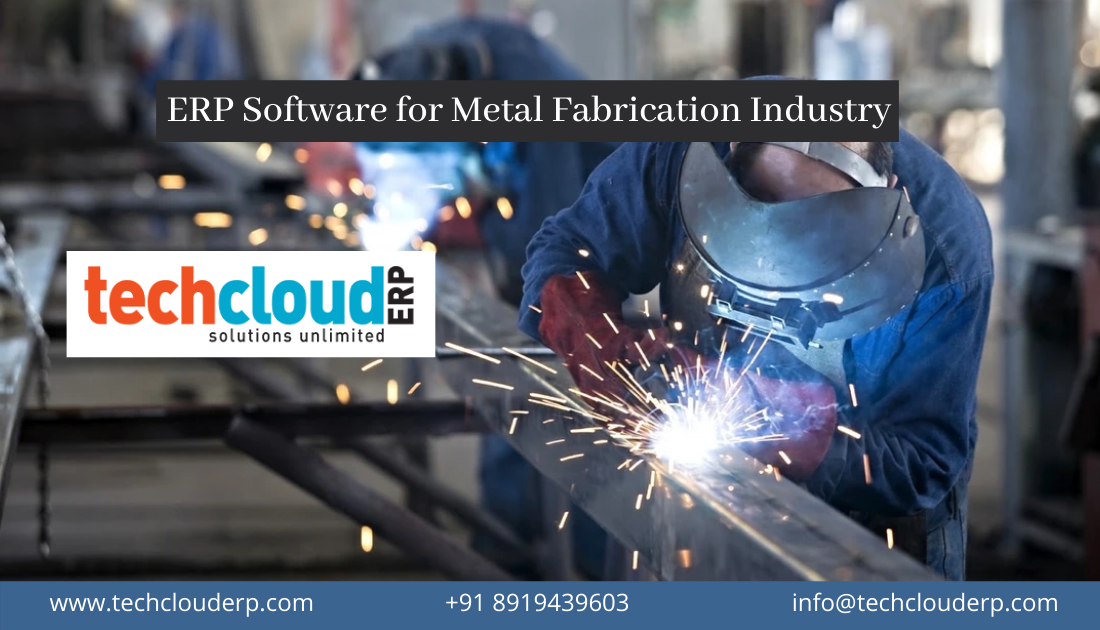
#TechCloudERP is the best fit for metal fabrication companies to overcome their day to day problems.
The Metal Fabrication Industry is characterized by a high percentage of small to midsize fabrication companies that supply larger manufacturers in a wide-ranging collection of industries, including Automobiles, Electronics and Construction.Connect with usEmail: info@techclouderp.comPhone: IND: +91 8919439603Website: www.techclouderp.com