


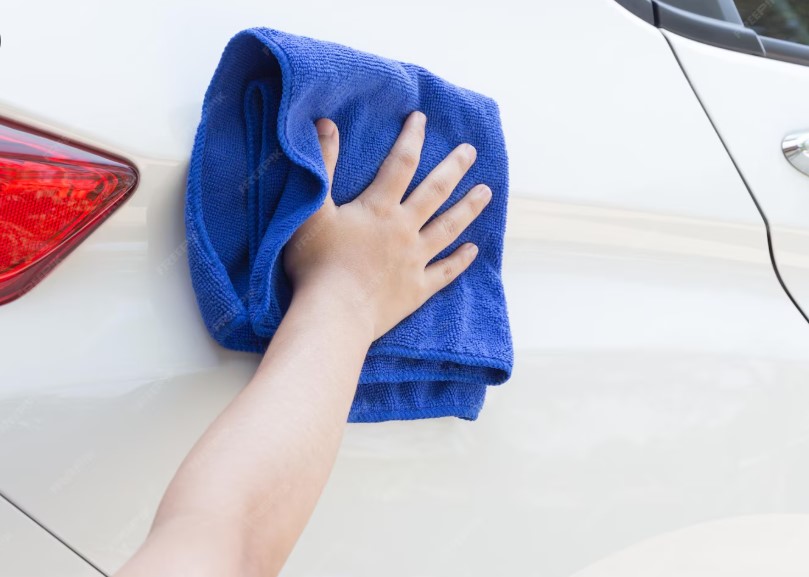
When you wash your car and skip proper drying, the odds are good you’ll end up with water spots, streaks, or worse micro scratches that dull your paint. This isn’t a guess or a marketing line. It’s backed by how microfiber works at a material level and what detailing pros actually use to protect paint. In this article, we’re going deep into why a proper car drying towel matters, especially products like the EcoFine Drying Towel and high-quality 400 GSM and 550 GSM microfiber towels. We’ll compare options, explain benefits, and give you tips that help you get both speed and shine.
Why Drying Matters More Than Washing
You wash your car to remove dirt, grime, and contaminants. But drying? It’s the final step that determines how clean your paint actually looks once you’re done.
Air-drying or using a cheap cloth can leave:
- Water spots that etch clear coat
- Lint and streaks on glass or paint
- Micro scratches from dragging debris
These issues are not cosmetic fluff. They degrade your finish over time.
Microfiber towels outperform traditional cloths at drying because they draw water into the fabric rather than push it around. That difference is huge when you’re talking about protecting your paint surface.

What Makes Microfiber Towels Superior
The secret isn’t magic. It’s engineered fiber structure:
Engineered for Absorption
Microfiber towels are made of ultra-fine polyester and polyamide fibers. These fibers create millions of microscopic pockets that capture water more efficiently than cotton or chamois. Microfiber can absorb up to seven times its weight in water, absorbing water fast so you dry quicker with fewer passes.
Gentle on Paint
Fine microfiber won’t scratch your clear coat. Unlike rough cotton or old T-shirts, microfiber lifts water and dirt away without grinding particles into your paint surface. That’s why pros prefer microfiber for every stage of detailing.
Lint-Free Performance
Nothing ruins a shine faster than lint and streaks stuck on your paint or glass. Microfiber rarely sheds lint, so the result is a cleaner, clearer finish.

What GSM Really Means
GSM stands for Grams per Square Meter. It’s a measure of density. Think of it like thickness and ability to hold water:
- 400 GSM microfiber towel: Lighter, quicker drying, great for general use and faster jobs.
- 550 GSM microfiber towel: Slightly plush and more absorbent, ideal for paint-safe drying.
As GSM increases, softness and absorbency usually increase too.
Higher GSM towels like those from EcoFine™ provide more capacity, meaning fewer wringing cycles and less time spent drying your car.
Car Care Products That Elevate Drying
When you’re outfitting your detailing setup, don’t grab just any towel. Look for:
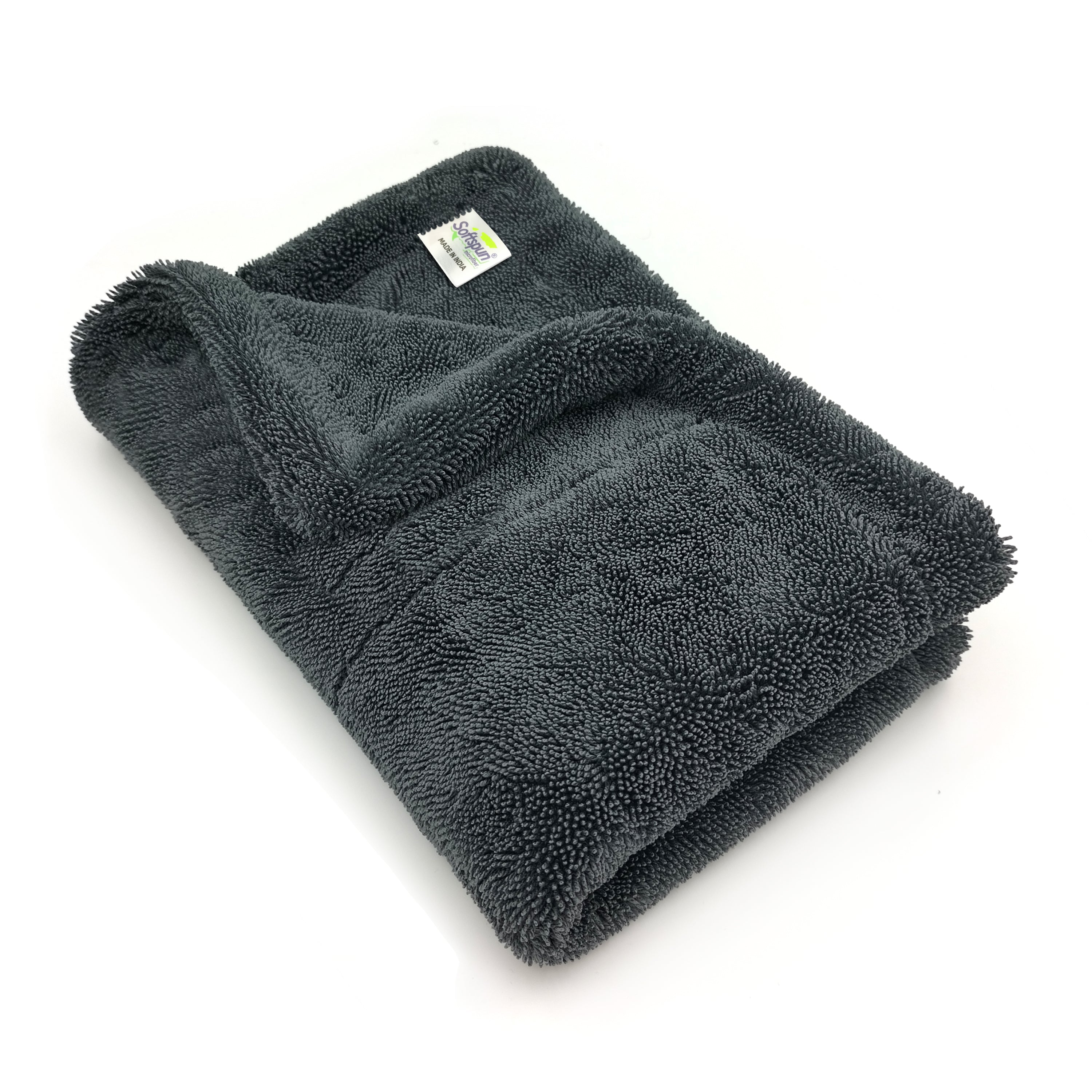
- EcoFine Drying Towel: Designed for paint-safe drying with plush weaves that wick water efficiently.
- 400 GSM Microfiber Towel: Great all-around towel, perfect for lighter drying, interior surfaces, or quick touches.
- 550 GSM Microfiber Towel: Ideal for exterior paint drying with elevated absorption.
These products strike the right balance between performance and durability for home car care enthusiasts and professionals alike.
Tip: Pair a high-quality towel with a pH-neutral drying spray to add lubricity and help eliminate surface tension while drying.
Cost vs Value: Why Higher Quality Saves You Money
Good microfiber towels cost more upfront than bargain rags or cotton cloths. But price is only one side of the equation.
Cost Benefits
Microfiber towels can last hundreds of wash cycles with proper care.
Less need for frequent replacement cuts long-term costs.
Better performance means you spend less time and effort drying.
This effectively lowers your cost per use compared to cheap towels that wear out quickly.
What You Pay For
High GSM towels use more material per square meter, so products like the EcoFine Drying Towel will often cost a bit more. But the payoff is clear better drying, fewer scratches, and a longer service life.
If price is a concern, think in terms of cost per cycle instead of just sticker price. A quality microfiber that lasts a year with regular use is usually cheaper in the long run than replacing low-end towels every few months.
Tips for Best Drying Results
Here’s where most people trip up. Even great towels can underperform if you don’t use them right.
Start With a Clean Surface
Never dry a surface with grit or dirt still on it. Always rinse thoroughly after washing.
Work in Straight Lines
Use straight-line passes instead of circular motions to avoid reintroducing swirl marks.
Use Multiple Towels
One towel for drying, another for final buffing or detail work. That keeps contaminants from spreading.
Avoid Fabric Softeners
Softener clogs microfiber channels and reduces absorption. Always wash with mild detergent and no softener.
Air Dry or Low Heat
Heat can damage microfiber fibers, so prefer air dry or low-heat machine cycles after washing.

Pros and Cons of Microfiber Drying Towels
Here’s how the real deal looks when you weigh it objectively:
Pros
- Absorbs more water than traditional towels
- Gentle on delicate paint and surfaces
- Lint-free drying
- Long usable lifespan
- Versatile (interior, exterior, glass, etc.)
Cons
- Higher upfront cost
- Requires proper washing to maintain performance
- Cheap microfiber may feel plush but underperform
- Quality matters. Don’t confuse low-end microfiber with professional-grade products.
Comparison Microfiber vs Traditional Drying Cloths
Feature Microfiber Cotton / Chamois
Water absorbency High (7x w/w) Moderate (2-3x)
Scratch risk Low Higher on clear coat
Lint None Often present
Durability Very high Moderate
Ease of care Easy Easy but less effective
Microfiber wins nearly every technical category, especially when high GSM microfiber towels are used correctly.
How This Helps You as a Car Owner
Let’s cut to what this really means:
- Cleaner paint that stays smoother longer
- Faster dry times so your wash routine takes minutes, not hours
- Less risk of water spots and swirl marks
- Cost savings over time with durable reusable towels
It’s not just about speed, it's about protecting the investment you made in your vehicle.
People Also Ask:
Do microfiber towels prevent scratches on car paint?
Yes. Their fine split fibers trap water and grit instead of dragging contamination across the surface, reducing scratch risk significantly.
What GSM microfiber towel is best for drying?
Aim for towels in the 500–800 GSM range for most exterior drying tasks. Higher GSM towels hold more water and feel softer on paint.
Can I use the same towel for drying and polishing?
It’s best to dedicate separate towels. Drying towels collect minerals and debris that could interfere with polishing or waxing if reused.
FAQs:
1. How often should I replace my microfiber drying towel?
Replace when fibers start shedding, feel rough after washing, or if they leave streaks. For frequent users, this might be every 6-12 months.
2. Is a higher GSM always better?
Not always. Higher GSM means more absorbency and plush feel, but it also means slower drying time for small jobs. Choose based on task: high GSM for exterior drying, lower for interiors.
3. Are 400 GSM towels worth it?
Yes. 400 GSM towels work well for quick drying tasks and interior surfaces where ultra-plush isn’t necessary.
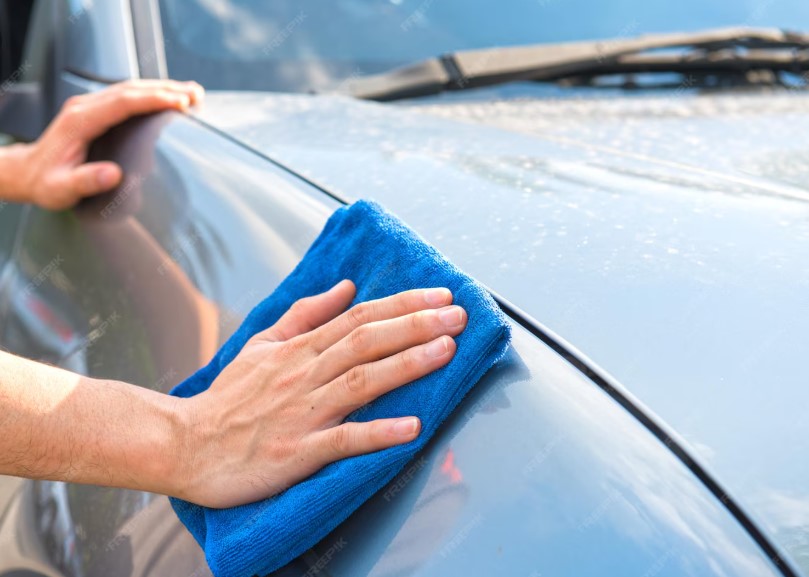
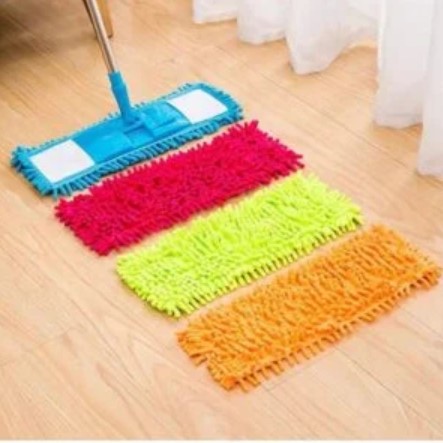
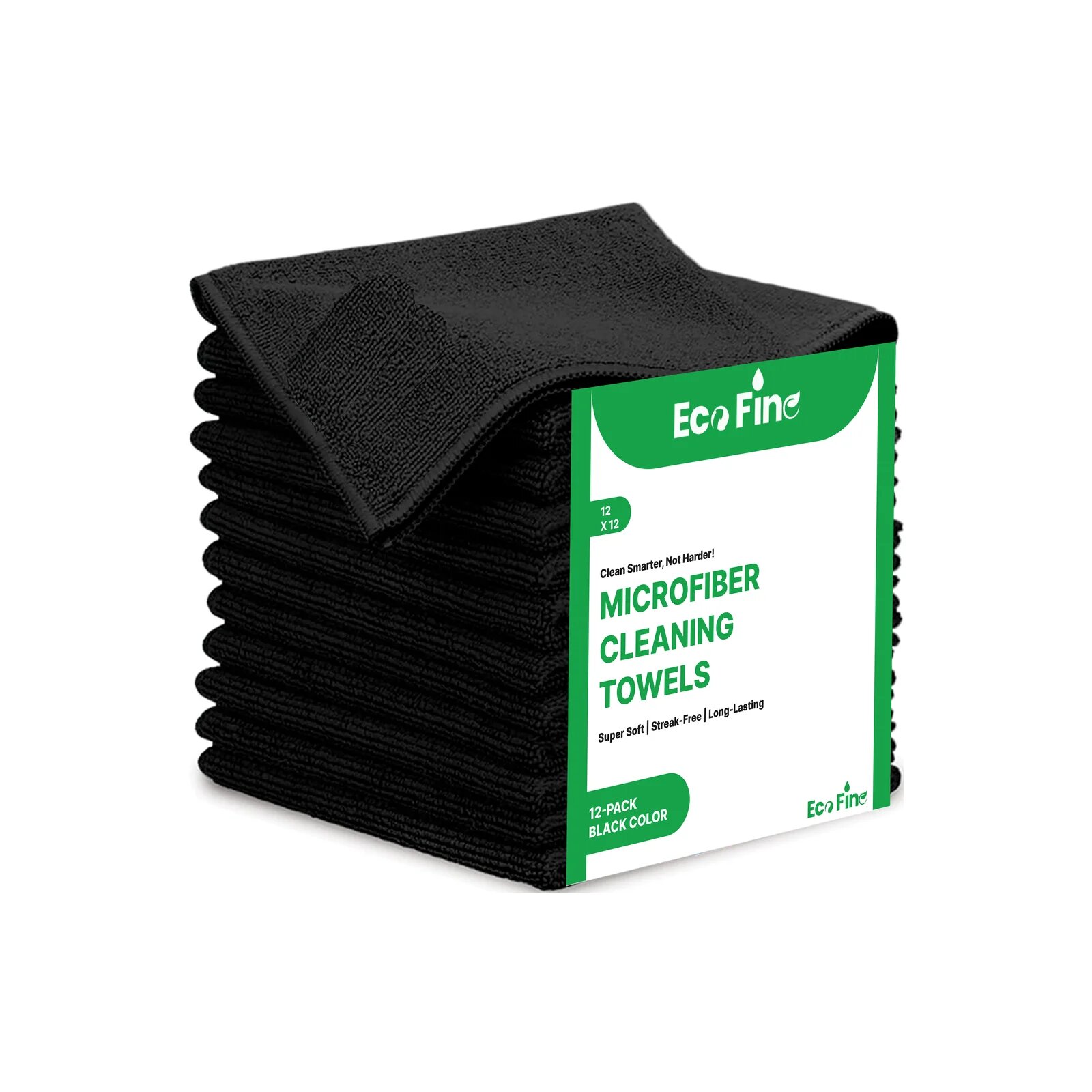
When people switch to microfiber car cleaning cloths, one question shows up again and again:
Are they actually safe for car paint, glass, and interior surfaces?
It’s a fair question. Ca
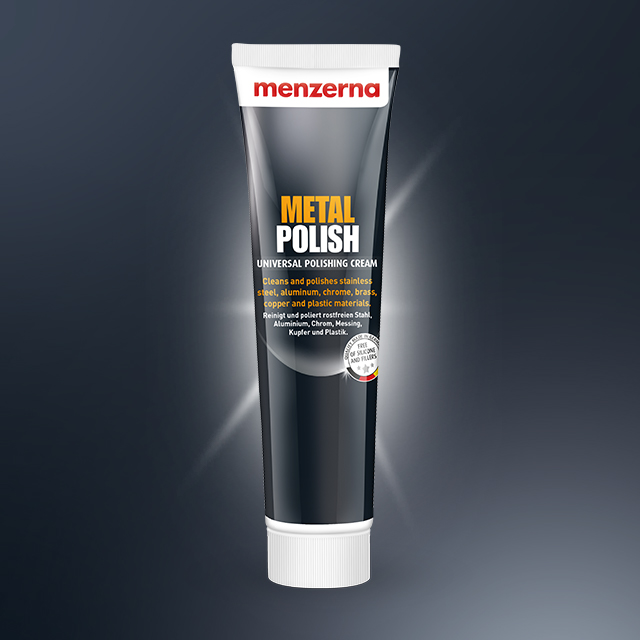
Menzerna is basically a Metal Polish cleans and polishes stainless steel, aluminium, chrome, brass, copper, silver and plastics.
Perfect gloss for exhaust, radiator grille, decorative strips, rims etc.
Also perfect on domestic and leisure parts like cutlery, sanitary fittings, metal instruments etc.