




Engagement Ring Buying Guide: How to Choose the Perfect Ring
Buying an engagement ring is exciting—and stressful. You’re not just buying jewelry. You’re choosing something that carries emotion, expectation, symbolism, and a lot of pressure to “get it right.” On top of that, you’re expected to understand ring styles, diamonds, metals, sizing, and budgets, often for the first time.
This guide is written for real people who want clarity, not tradition-for-the-sake-of-it or sales talk. It walks you through what an engagement ring actually represents, how to choose a ring that fits your partner’s life (not just their finger), how to budget without regret, and how to be proposal-ready with confidence.
________________________________________
What an Engagement Ring Really Means
An engagement ring is a symbol of commitment, not a test of spending power. While traditions influence designs and expectations, there’s no universal rule that says how big, expensive, or flashy it must be.
What the ring should do:
• Represent intention and long-term commitment
• Fit comfortably into everyday life
• Reflect your partner’s taste, not trends alone
A ring that looks impressive but feels impractical or uncomfortable often ends up worn less than expected. A well-chosen ring feels natural on the hand, not like a constant reminder of pressure.
________________________________________
Engagement Ring Styles: Choosing More Than a Look
Ring style affects durability, comfort, maintenance, and how the diamond appears. First-time buyers often choose based on photos alone, which can lead to regret later.
Solitaire
A single center stone, simple setting.
• Timeless and versatile
• Easier to maintain
• Works with most diamond shapes
Great for partners who prefer clean, classic designs.
Halo
Center stone surrounded by smaller stones.
• Makes the center diamond look larger
• More sparkle, more maintenance
• Can trap dirt if not cleaned regularly
Best for those who like extra shine and detail.
Three-Stone
One center stone with two side stones.
• Symbolic
• Balanced look
• Slightly wider on the finger
Good for those who want meaning plus design.
Pavé or Side-Stone Rings
Small diamonds set along the band.
• High sparkle
• More frequent maintenance
• Risk of tiny stones loosening over time
Beautiful, but better for careful wearers.
________________________________________
Diamond Shapes: Style, Practicality, and Illusion
Diamond shape affects how large a stone looks, how it wears, and how forgiving it is of imperfections.
Round
• Most sparkle
• Most expensive per carat
• Hides flaws well
A safe choice if you’re unsure of preferences.
Oval
• Looks larger than round at the same weight
• Elegant, elongates the finger
• May show a “bow-tie” shadow if poorly cut
Princess
• Sharp sparkle
• Modern look
• Corners need protection to avoid chipping
Cushion
• Softer, romantic appearance
• Vintage feel
• Shows warmth more than round
Emerald & Asscher
• Clean, step-cut look
• Show clarity and color clearly
• Less sparkle, more elegance
These require better clarity to look good.
Pear, Marquise, Radiant
• Elongated shapes look larger
• Distinctive style
• Orientation and setting matter a lot
Shape choice is about personality as much as appearance. If possible, notice what your partner already wears.
________________________________________
Metal Options: Looks, Longevity, and Lifestyle
The metal holds everything together. It also determines how the ring ages.
Gold
Gold varies in strength and color depending on purity.
• Higher purity = softer
• Lower purity = stronger, more durable
For daily wear, durability matters more than theoretical purity.
White Metals
White-colored rings can be made from different metals.
• Some require periodic re-coating
• Some are naturally white and heavier
• Prices vary significantly
Ask what maintenance looks like over time, not just at purchase.
Platinum
• Naturally white
• Dense and durable
• Develops a patina rather than losing metal
Often heavier and more expensive, but long-lasting.
________________________________________
Ring Size Guide: Getting It Right Without Ruining the Surprise
Ring size anxiety is real. Too tight and it’s uncomfortable. Too loose and it’s unsafe.
Ways to Estimate Size
• Borrow a ring they already wear (same hand, same finger)
• Ask a trusted friend or family member
• Use adjustable sizing tools if available
If you’re unsure, it’s usually safer to go slightly larger. Resizing down is often easier than sizing up.
Resizing Reality Check
• Most rings can be resized within limits
• Rings with stones all around the band are harder to resize
• Some metals are more resizing-friendly than others
Ask about resizing before you buy, not after.
________________________________________
Budgeting: Spend Smart, Not Symbolically
There’s no rule that says an engagement ring should cost a certain number of months’ income. That idea benefits sellers, not buyers.
How to Set a Real Budget
Your budget should:
• Fit comfortably within your finances
• Leave room for life after the proposal
• Include taxes, setting, and certification
A ring should never cause financial stress. That stress shows up later.
Where to Allocate Budget
If budget is tight, prioritize:
1. Comfort and durability
2. Secure setting
3. Overall look, not maximum size
You can always upgrade later. Regret is harder to fix.
________________________________________
Certification: What Protects You After the Purchase
For diamond engagement rings, certification matters.
Why Certification Is Important
• Confirms diamond quality
• Helps with insurance and resale
• Protects you from misrepresentation
A certificate doesn’t tell you if a diamond is beautiful—but it tells you if it’s what the seller claims.
What to Check
• Stone details match what you’re buying
• Certificate comes from an independent lab
• You receive the document with the ring
If certification is missing or vague, pause.
________________________________________
Common Engagement Ring Mistakes
Buying size or sparkle over comfort.
If it’s uncomfortable, it won’t be worn daily.
Chasing trends blindly.
Trends age faster than relationships.
Overstretching budget for appearance.
Financial regret overshadows emotional value.
Ignoring lifestyle.
Active hands need practical settings.
Rushing because of pressure.
A ring chosen calmly is almost always better.
________________________________________
Proposal-Ready Checklist (Save This)
Before you propose, confirm:
• Ring size is close enough
• Setting feels secure
• Diamond and metal details are documented
• Return or resize policy is clear
• Ring fits your partner’s lifestyle
A proposal should be emotional—not stressful because of last-minute doubts.
________________________________________
Edge Cases Worth Thinking About
• Surprise proposals: Choose resizing-friendly designs
• Active lifestyles: Avoid high-set stones
• Future wedding bands: Check how bands will sit together
• Sensitive skin: Ask about metal composition
These details matter more after the excitement settles.
________________________________________
Safety Note
Engagement rings involve emotional and financial commitment. Prices vary widely, and resale value is unpredictable. Take time to verify details and choose what fits your situation, not outside expectations.
________________________________________
FAQs People Actually Ask About Engagement Rings
Should I involve my partner in choosing the ring?
There’s no rule. Some prefer surprises; others prefer input. Pay attention to what your partner values.
Is bigger always better?
No. Balance, comfort, and style matter more than size alone.
Can engagement rings be upgraded later?
Sometimes. Ask about upgrade or exchange policies in advance.
What if they don’t like the ring?
That’s why return or exchange policies matter.
Is a simple ring “less special”?
Not at all. Meaning comes from intention, not complexity.
________________________________________
Final Perspective
The perfect engagement ring isn’t about meeting expectations—it’s about understanding your partner, your life together, and what you can commit to comfortably.
When you choose a ring that fits daily life, reflects real taste, and respects your budget, you’re not just buying jewelry. You’re making a thoughtful decision that holds up long after the proposal moment passes.
So, it will be always a good call when you think to have it for you.
Read it properly and make the right selection to fulfill your wish.
As the modernized people are the fond of destination marriage and more, similarly the value of the engagement rings is really outstanding.
The appearance makes it different, and its looks are the reasons why people become a fan of this.
Gold, platinum or anything else will appreciate these rings for sure.
Your preferred budget will help you to select the one.
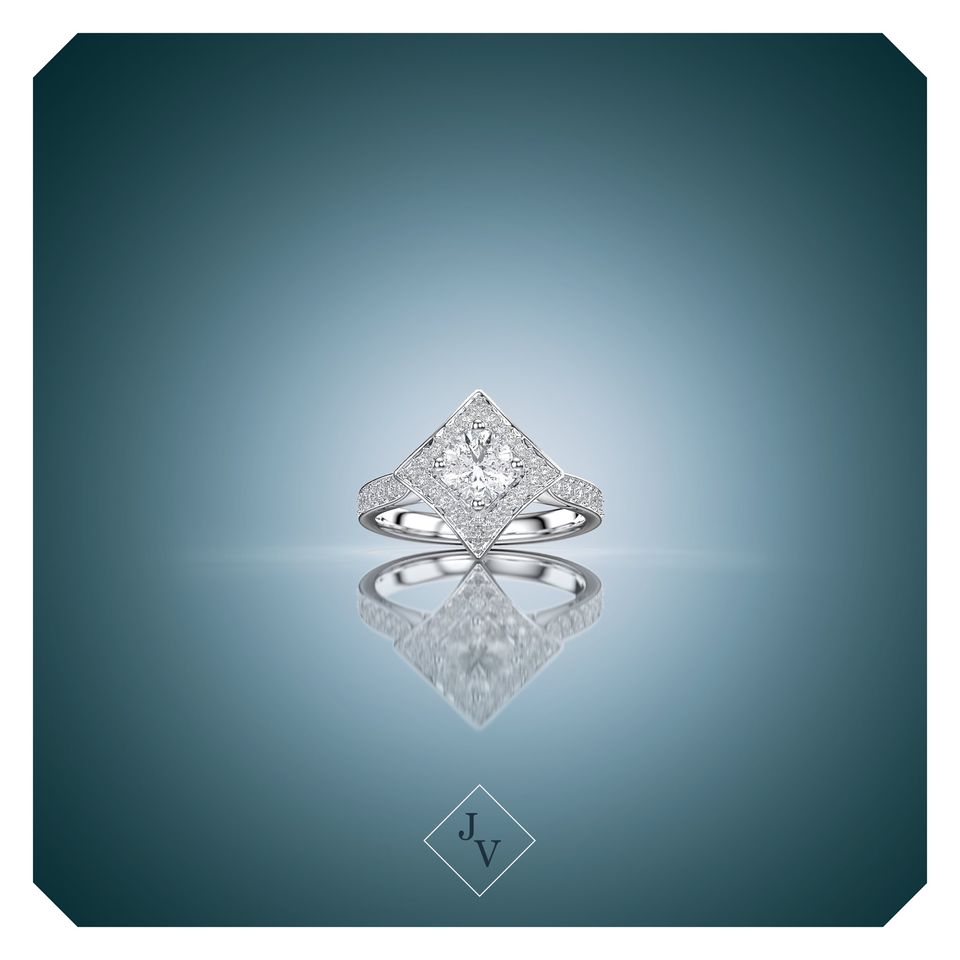
The custom engagement ring design is an outstanding way to bring your creative vision to life.
Whether you are creating a diamond jewelry halo ring or a classic rose gold engagement ring, we could incorporate any elements you would like in your custom ring.
Select a diamond and choose a setting on your custom ring, and we will do the rest.
We work together with you to design beautiful, high-end engagement rings to your specifications.
We match you with a designer who can help you throughout the process.
View our gallery of custom engagement rings designed with our clients online.