






A ring is one of the few pieces of jewelry many people wear constantly. Necklaces and bracelets often come off at night or during certain activities, but rings—especially wedding bands, simple gold bands, or favorite everyday pieces—can stay on for years at a time.
Because rings are worn so often, comfort becomes more important than people initially expect. Hands are among the most active parts of the body. Fingers bend hundreds of times per day while typing, gripping objects, cooking, opening doors, carrying bags, or using tools. A ring that looks elegant in a jewelry case may feel awkward once those daily movements begin.
Designing a comfortable ring isn’t just about choosing the right size. The shape of the interior band, the height of the setting, the metal thickness, and the way the ring interacts with finger movement all influence long-term comfort.
Rings that “move with you” are designed to accommodate the natural motion of your hands rather than resisting it. When these design choices are done well, the ring becomes something you barely notice throughout the day—exactly what most people want from everyday jewelry.
________________________________________
Why Ring Comfort Matters in Daily Movement
Rings sit on a part of the body that moves constantly and interacts with the environment more than almost any other place jewelry is worn.
Fingers bend repeatedly throughout the day
Every time you grip something—whether it’s a coffee mug, steering wheel, pen, or phone—your fingers flex. The joints expand and compress slightly as they move.
If a ring is too wide, too thick, or poorly shaped on the inside, it can press against the skin as the finger bends. This pressure may not be obvious at first, but after hours of use it can become irritating.
Comfortable rings allow the finger to bend naturally without creating pressure points.
Finger size changes during the day
Finger size isn’t completely fixed. Several factors can cause small changes in finger circumference:
• Temperature
• Physical activity
• Hydration levels
• Salt intake
• Time of day
Many people notice their rings feel tighter in the afternoon than in the morning. This change is usually small, but ring design can affect how noticeable it feels.
Rings with rounded interiors often accommodate these changes better than flat interior bands.
Constant contact with surfaces
Hands regularly contact desks, countertops, tools, and other objects. Rings frequently bump against these surfaces.
Tall ring settings or bulky bands can catch on objects or strike hard surfaces repeatedly. Over time this can cause both discomfort and wear on the ring itself.
Lower-profile designs reduce these issues.
Long-term wear considerations
Because rings are often worn daily for years, small comfort issues can become significant over time.
A ring that presses slightly against adjacent fingers, rotates constantly, or catches on clothing may eventually spend more time in a drawer than on the hand.
Thoughtful design prevents these problems before they begin.
________________________________________
Rounded Interiors and Comfort-Fit Bands
One of the most important features in comfortable rings is the shape of the band’s interior.
What comfort-fit actually means
A comfort-fit band has a slightly rounded interior surface instead of a flat one.
Traditional ring bands often have flat interiors, meaning the inside of the ring sits evenly against the finger. Comfort-fit rings curve gently along the inside edge.
This rounded shape reduces friction as the ring slides over the knuckle and allows the ring to shift slightly when finger size changes.
How rounded interiors improve comfort
The rounded interior distributes pressure differently. Instead of the ring pressing evenly across a flat surface, the curved interior contacts the finger along a narrower area.
This creates several benefits:
• Easier to slide over knuckles
• Reduced pressure during finger movement
• Slight adaptability to finger swelling
People who wear rings continuously often prefer comfort-fit bands because they feel less restrictive during long wear.
Width and comfort-fit design
Comfort-fit bands are most noticeable in rings that are wider.
For example, a ring with a width of 6–8 millimeters can feel quite different depending on the interior shape. A flat interior across that width may feel tight when the finger bends.
A rounded interior reduces that pressure.
Limitations
Comfort-fit interiors require slightly more metal to create the curved shape. Because of that, these rings may weigh slightly more than flat interior bands.
For many wearers, the comfort benefits outweigh the small difference in weight.
________________________________________
Flexible Ring Designs and Adjustable Rings
Most rings are rigid circular bands, but some designs introduce flexibility to accommodate movement and finger size changes.
Open-ended rings
Open-ended rings do not form a complete circle. Instead, the two ends approach each other but remain separate.
This design allows the ring to adjust slightly in size. The small gap provides flexibility when the finger expands or contracts.
However, open rings must be made carefully to prevent snagging on clothing or bending too easily.
Adjustable bands
Some rings include adjustable mechanisms or slight flexibility in the band.
Adjustable rings are often used when exact sizing is uncertain or when the wearer’s finger size fluctuates more than usual.
These designs can be practical for everyday wear if the adjustment mechanism is smooth and secure.
Flexible segmented rings
Certain rings use small articulated segments rather than one solid band. These designs are less common but can allow the ring to move slightly with the finger.
Segmented rings distribute pressure across multiple small sections rather than one rigid band.
When flexibility is useful
Flexible ring designs can help in situations where finger size changes frequently. For example:
• Seasonal temperature changes
• Frequent physical activity
• Minor swelling during long workdays
However, excessive flexibility can reduce durability. Rings should maintain structural stability while allowing small adjustments.
________________________________________
Low-Profile Settings for Mobility
The height of a ring’s setting has a major effect on how practical it is for everyday wear.
What “low-profile” means
A low-profile ring keeps gemstones or decorative elements close to the finger.
Instead of raising the stone high above the band, the setting positions it closer to the surface of the finger.
Why height matters
Hands constantly interact with objects. High settings increase the chance of the ring striking surfaces or catching on materials.
Common situations include:
• Typing on keyboards
• Reaching into pockets or bags
• Putting on gloves
• Carrying objects
A tall setting may snag on fabric or bump into surfaces repeatedly.
Low settings reduce impact
Low-profile rings reduce the likelihood of these collisions.
Because the stone sits closer to the finger, the ring’s profile stays more streamlined. This makes the ring easier to wear during everyday activities.
Trade-offs
Some ring styles intentionally use tall settings to emphasize the gemstone visually.
While these designs can look striking, they may be less practical for constant wear.
For people who plan to wear a ring every day, lower settings often provide a better balance between appearance and usability.
________________________________________
Metal Choices and Thickness
The metal used in a ring—and the thickness of the band—affects both comfort and durability.
Metal hardness and wear
Jewelry metals vary in hardness and flexibility depending on their composition.
Pure gold is relatively soft, which is why jewelry usually uses gold alloys containing other metals for strength.
Sterling silver is also widely used but may show scratches more easily during everyday wear.
Different metals behave differently under pressure, but all rings experience some degree of surface wear over time.
Band thickness and durability
Thicker bands resist bending better than extremely thin ones. However, excessive thickness can reduce comfort.
A band that is too thick may feel bulky between the fingers or press against adjacent fingers when the hand closes.
Designers often balance thickness carefully to provide strength without sacrificing comfort.
Interior thickness vs exterior design
Some rings appear delicate from the outside but include slightly thicker metal on the underside for reinforcement.
This approach maintains visual elegance while improving durability where the ring experiences the most contact with surfaces.
Weight considerations
Heavier rings may feel substantial but can become noticeable during long wear.
A well-balanced ring distributes weight evenly around the finger rather than concentrating it in one section.
________________________________________
Tips for Long-Term Wear
Comfortable ring design matters, but everyday habits also influence how a ring feels over time.
Choose the right size
Proper sizing is the foundation of ring comfort.
A ring that is too tight can restrict circulation or become difficult to remove. A ring that is too loose may rotate constantly or slide off unexpectedly.
Professional jewelers typically measure finger size using ring sizing tools that account for knuckle size and band width.
Consider seasonal changes
Finger size can change with weather. Some people find their rings fit tighter during warm months.
If a ring feels consistently tight or loose, resizing may improve comfort.
Remove rings during certain activities
Even durable rings can be damaged during high-impact activities.
Many people remove rings when:
• Lifting heavy weights
• Using tools
• Playing certain sports
Removing rings in these situations reduces the risk of bending or scratching.
Clean rings regularly
Daily wear exposes rings to soap residue, oils, dust, and sweat.
Gentle cleaning helps maintain both appearance and comfort. A soft brush with mild soap and water often removes buildup around settings.
However, some gemstones require specific cleaning methods, so checking care recommendations is helpful.
Inspect settings periodically
If a ring contains gemstones, checking the setting periodically helps prevent stones from loosening.
Loose stones may move slightly when touched. If this occurs, a jeweler should inspect the ring.
________________________________________
Frequently Asked Questions
Why do some rings spin around the finger?
Rings may rotate when the band is slightly larger than the finger or when the weight of the setting pulls the ring in one direction. Adjusting the ring size or balancing the design can reduce rotation.
Are wider rings less comfortable?
Wide rings can be comfortable if designed properly. Comfort-fit interiors and careful sizing help wide bands feel more natural during finger movement.
Can rings be resized easily?
Many rings can be resized by professional jewelers, but the process depends on the design and metal. Rings with complex patterns or certain materials may be harder to adjust.
Why do rings feel tighter at night?
Finger size can increase slightly due to temperature, fluid retention, or daily activity. This change is usually small but can make rings feel tighter later in the day.
Do low-profile rings protect gemstones better?
Lower settings reduce the chance of gemstones striking surfaces. This can help protect the stone and the setting during everyday activities.
Should rings be removed during sleep?
Some people remove rings before sleeping, especially if the ring has a large setting. However, many simple bands are comfortable enough to wear overnight.
________________________________________
Conclusion
Designing rings that move comfortably with the body requires attention to details that aren’t always visible at first glance. Rounded interiors, thoughtful band thickness, flexible sizing options, and low-profile settings all influence how a ring behaves during everyday movement.
Because hands are constantly active, rings must accommodate bending fingers, shifting skin, and contact with surfaces throughout the day. When a ring is designed with these realities in mind, it becomes easier to wear consistently without discomfort.
The most successful everyday rings balance appearance with practicality. They look elegant but remain comfortable during long hours of wear. By considering factors such as interior shape, setting height, and structural design, it becomes much easier to choose rings that truly move with you rather than getting in the way.


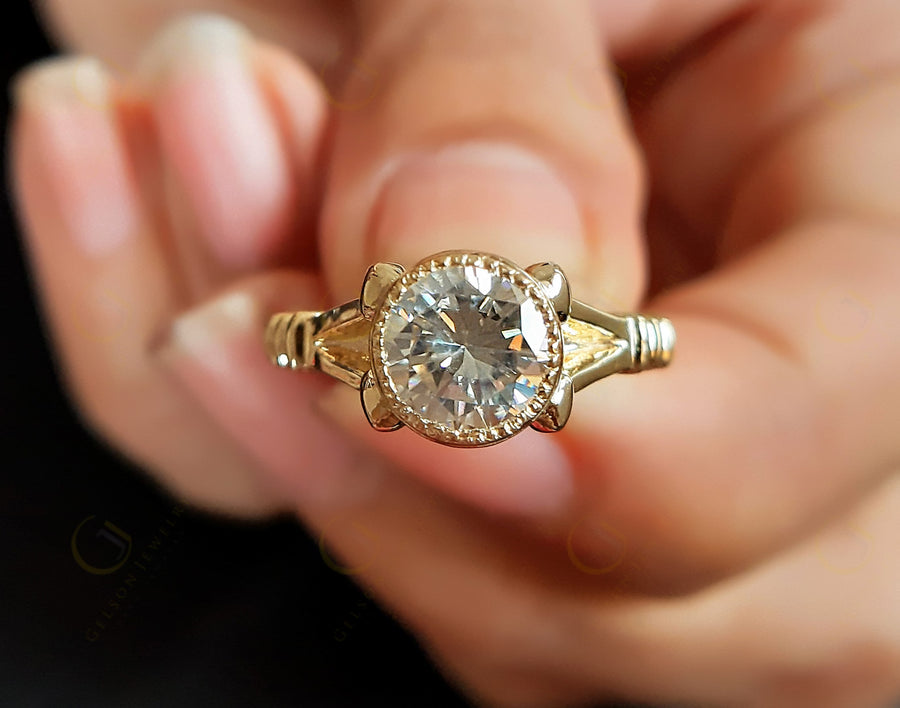

You can choose from the gold, platinum, and others to get the assurance that which one is perfect.
The size of the engagement rings for woman needs to be considered.
You can take help from her friends as well to know the choices and more.
If you are purchasing the Engagement Rings Online, then everything will be clearly mentioned about that.
Otherwise, it will not be comfortable, and the users will never get the happiness to wear it for long.
It may be possible that you like the one but the charges are up, then you can compromise with the carat, and you will find that the deal is in your pocket.