


When parents start looking for childcare, they often come across two common options: learn and play childcare centres and traditional daycare. At first glance, both may seem similar. They care for children, follow routines, and offer safe spaces while parents work. But once you look closer, the difference becomes much clearer.
Understanding how these two settings work can help parents choose a place that truly suits their child’s age, personality, and learning needs. This is especially important during the early years, when children learn through everyday moments, not just formal lessons.
What Is a Learn and Play Childcare Centre?
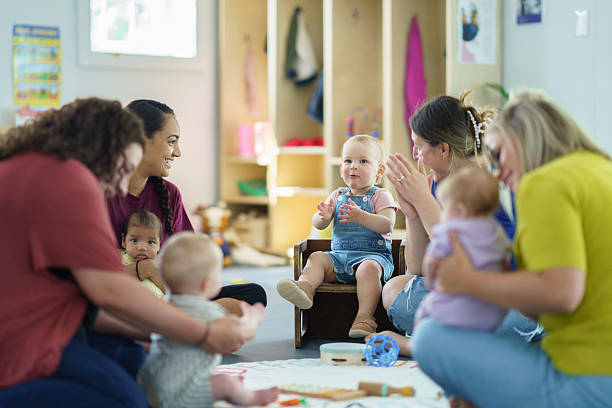
A learn and play childcare centre is built around the idea that children learn best when they are actively involved. Play is not treated as a break from learning. It is the learning.
In these centres, children are encouraged to:
• Ask questions
• Try new activities
• Play with others
• Use imagination and creativity
Learning happens naturally during play, group activities, outdoor time, and daily routines.
What Is Traditional Daycare?
Traditional daycare focuses more on supervision and care. These settings provide a safe place for children during the day, with set routines for meals, rest, and playtime.
While there may be activities and toys available, learning is often less structured around a child’s curiosity. The main goal is usually to keep children safe, settled, and occupied until parents return.
Key Differences Between Learn and Play and Traditional Daycare
Approach to Learning
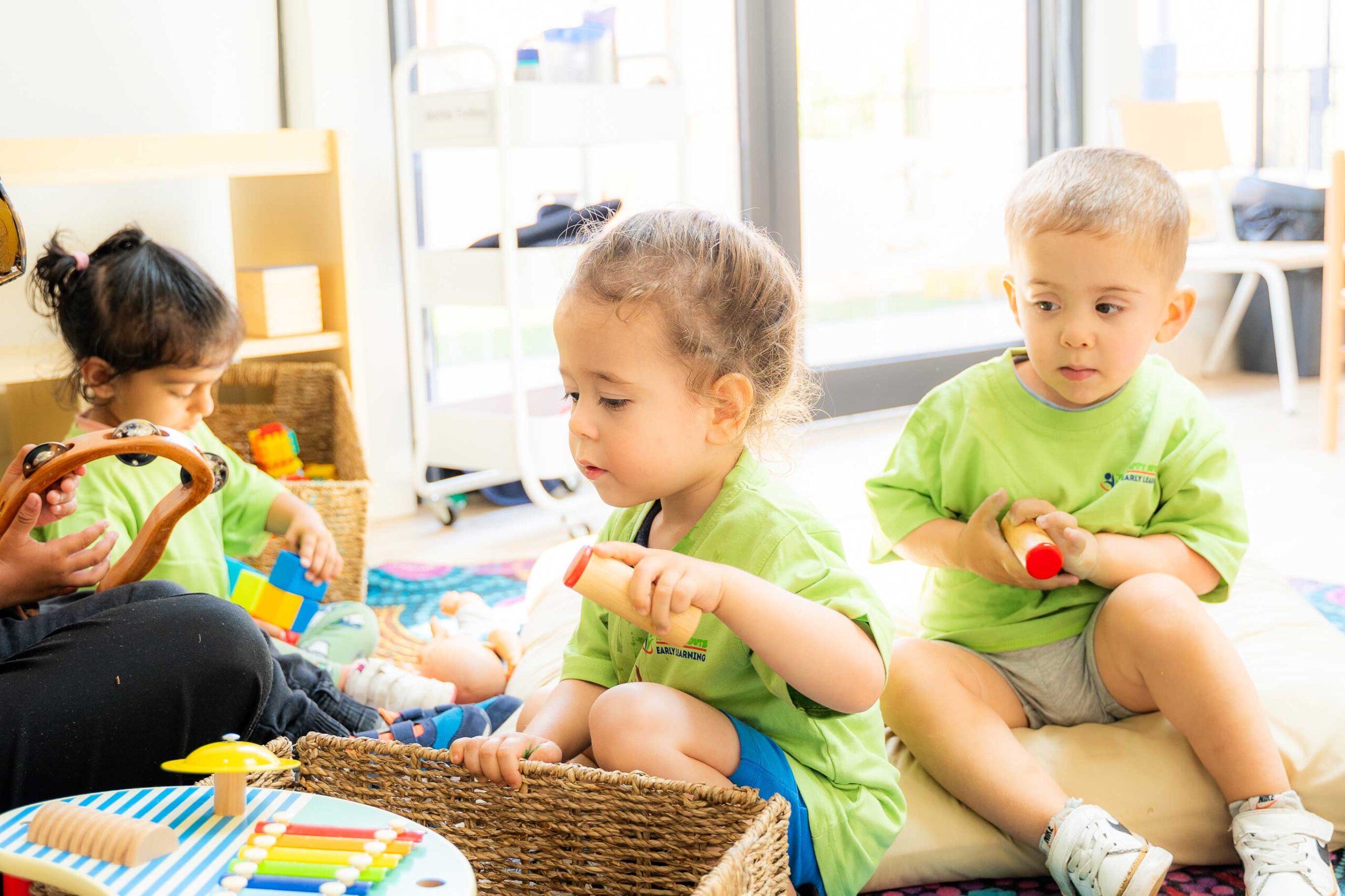
Learn and play childcare centres see every activity as a chance for learning. Building blocks, drawing, storytelling, and outdoor games all support thinking, language, and social skills.
In traditional daycare, activities are often provided, but learning outcomes may not be the main focus. Children play freely, but there may be less guidance during these moments.
Role of Educators
In a learn and play setting, educators actively join children during activities. They ask questions, guide play, and help children think deeper about what they are doing.
In traditional daycare, educators often focus more on supervision, routines, and managing the group. Interaction is caring, but learning guidance may be limited.
Daily Structure
Learn and play centres usually follow a flexible structure. There are routines, but children have choices within the day. They can move between activities based on interest and energy levels.
Traditional daycare often follows a fixed timetable, with set times for play, meals, and rest. This structure can work well for some children but may feel restrictive for others.
Benefits of Learn and Play Childcare Centres
Supports Natural Learning
Children are naturally curious. Learn and play childcare centres build on this curiosity rather than pushing formal lessons too early. Counting during games or learning new words through stories feels fun, not forced.
Builds Confidence Early
When children are encouraged to make choices and try new things, they develop confidence. Simple tasks like choosing an activity or solving small problems help children trust their own abilities.
Encourages Social Skills
Group play helps children learn how to share, take turns, and communicate clearly. These daily interactions prepare children for preschool and school settings.
Benefits of Traditional Daycare
Traditional daycare can still be a good option for many families.
Some benefits include:
• Predictable routines
• Clear daily schedules
• Basic care needs met consistently
For very young children or families needing shorter hours, traditional daycare may feel like a comfortable choice.
Learning Outcomes: A Clear Difference
Learn and Play Childcare Centres
Children often leave learn and play settings with:
• Strong communication skills
• Confidence in group situations
• Curiosity about learning
• Comfort with routines and change
These skills support a smooth transition into preschool and school.
Traditional Daycare
Children may develop:
• Comfort with routines
• Basic social interaction
• Independence in daily tasks
However, learning progress may depend more on what happens at home.
Real-Life Example: Two Different Days
Imagine two four-year-olds in different settings.
In a learn and play childcare centre, one child spends the morning building a pretend shop with friends. The educator asks questions about numbers and money during play. Later, the group reads a story and talks about feelings.
In traditional daycare, another child plays freely with toys, has lunch, rests, and spends outdoor time. The day is calm and safe, but learning moments are less guided.
Both children are cared for, but the learning experience is very different.
Which Option Is Right for Your Child?
There is no one-size-fits-all answer. The right choice depends on:
• Your child’s personality
• Their age and interests
• Your family routine
• What you value most in early learning
Children who enjoy curiosity, conversation, and active play often thrive in learn and play childcare centres. Children who prefer predictable routines may feel more comfortable in traditional daycare.
What Parents Should Look for When Visiting Centres
No matter which option you consider, always look for:
• Warm and caring educators
• Clean and safe spaces
• Children who appear relaxed and happy
• Clear communication with families
Ask how educators interact with children during play. This often reveals the centre’s approach to learning.
Preparing Children for the Next Stage
One of the biggest advantages of learn and play childcare centres is school readiness. Children become comfortable with group settings, listening to instructions, and expressing ideas.
Traditional daycare supports care and routine but may not place the same focus on preparation for formal learning environments.
Conclusion
The difference between learn and play childcare centres vs traditional daycare goes beyond daily schedules. Learn and play centres support learning through play, interaction, and curiosity, helping children grow socially, emotionally, and mentally.
Traditional daycare provides care and routine, which can suit some families well. The best choice depends on what your child needs most during these early years.
When parents understand these differences, they can choose a childcare setting that truly supports their child’s growth and happiness.
FAQs
1. What is the main difference between learn and play childcare centres and traditional daycare?
- Learn and play centres focus on learning through play, while traditional daycare mainly provides care and supervision.
2. Are learn and play childcare centres suitable for all ages?
- Yes, especially for toddlers and preschool-aged children who learn best through interaction and play.
3. Does traditional daycare help with early learning?
- Traditional daycare supports basic routines and social time, but learning often depends on home support.
4. How do learn and play centres help with school readiness?
- They help children build confidence, communication skills, and comfort in group settings.
5. How can parents decide which option is better?
- Observing how educators interact with children and understanding your child’s needs can guide the decision.