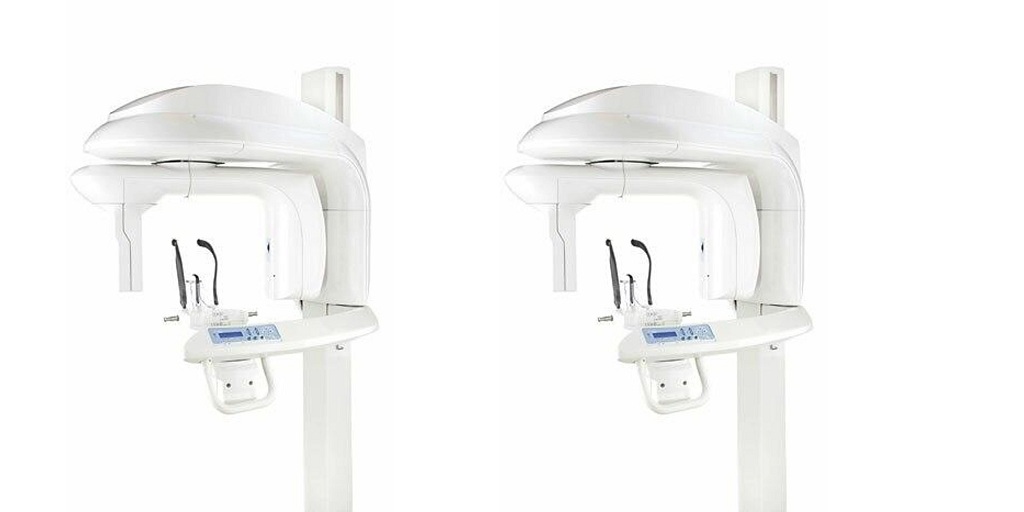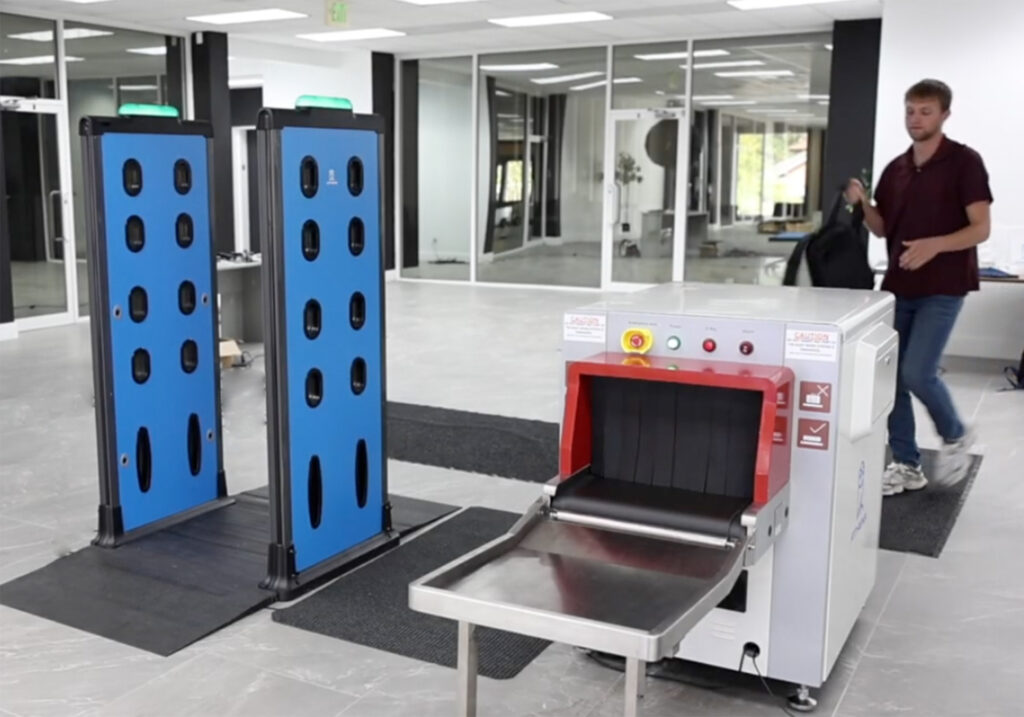
Security in public spaces has evolved rapidly, relying heavily on advanced technology to maintain safety. Among these, security X-ray machines play a pivotal role in detecting prohibited items before they enter restricted areas. By using sophisticated imaging and scanning techniques, these devices can identify threats hidden inside luggage or packages, ensuring fast and reliable inspections. Understanding how these machines operate can give you insight into their critical function and why they remain a cornerstone of modern security protocols.
The Technology Behind Security X-Ray Machines
At the heart of every security X-ray machine is the ability to penetrate materials and create a clear image of the contents inside. X-rays are absorbed differently depending on the density and composition of objects. Metal objects, liquids, and plastics each generate unique visual signatures, allowing operators to spot unusual shapes or potential threats. Over time, continuous improvements in detector sensitivity have enhanced detection accuracy, reducing false alarms and increasing throughput at checkpoints.
Advanced machines now use dual-energy X-rays, which can differentiate organic from inorganic materials. This is particularly useful in identifying explosives or contraband hidden within everyday items, making the screening process both faster and more precise.
How Gun Detection Systems Integrate With X-Ray Technology?
Gun detection systems have become a natural complement to security X-ray machines, enhancing threat detection capabilities. These systems analyze images for the specific contours and density patterns associated with firearms. When a suspicious item is detected, operators are alerted immediately, minimizing the risk of delayed response.
The integration of automated gun detection reduces human error, especially in high-traffic areas. By combining real-time image processing with artificial intelligence algorithms, security personnel can focus on critical alerts rather than scanning every image manually. This symbiosis significantly accelerates the identification of weapons and prohibited items.
Real-Time Image Analysis
A key advantage of modern security X-ray machines is real-time image analysis. Unlike older systems that relied solely on manual inspection, today’s machines offer immediate visual feedback. The scanned image is enhanced and color-coded to highlight potential threats, allowing you to quickly identify dense or suspicious objects.
Sophisticated image processing can detect minute anomalies that might otherwise go unnoticed. Automated threat recognition software now flags unusual patterns, ensuring that no prohibited item slips through the inspection process. This capability is crucial for maintaining security efficiency in airports, government buildings, and event venues.
The Role of Athena Security in Enhancing Detection
Athena Security has contributed significantly to improving threat detection through integrated technologies. By implementing AI-based scanning systems compatible with security X-ray machines, it has helped streamline operations while increasing accuracy. These systems analyze thousands of items per hour, identifying threats that traditional screening might miss.
Such integration also supports predictive analytics, where patterns in baggage and passenger behavior can indicate higher-risk scenarios. This proactive approach allows security teams to prioritize inspections without compromising speed, offering a balance between safety and convenience.
Speed and Accuracy in Prohibited Item Detection
The efficiency of security X-ray machines is not solely about detection but also about speed. Rapid scanning allows high-volume environments, such as airports or large venues, to maintain smooth operations. Operators can focus on flagged items while the majority of luggage moves through quickly, avoiding long queues and delays.
Accuracy remains equally critical. Modern X-ray machines leverage multi-angle scanning and high-resolution detectors to differentiate between harmless objects and genuine threats. Continuous software updates ensure that even newly designed weapons or concealed items are detected promptly, keeping security measures relevant and effective.
Training and Operator Expertise
Even the most advanced security X-ray machines rely on skilled operators to interpret images accurately. Proper training ensures that staff can recognize subtle indicators of prohibited items, reducing false positives and missed threats.
Ongoing education in threat patterns, technology updates, and emergency response protocols equips operators to respond efficiently. Simulation exercises combined with AI-assisted image recognition create a learning environment where both machine and human expertise enhance overall security effectiveness.
Future Developments in X-Ray Security Technology
The evolution of security X-ray machines is far from over. Emerging technologies aim to combine 3D imaging, AI analytics, and automated threat recognition into a seamless scanning experience. Future systems are expected to reduce the need for manual inspection further while improving the accuracy of prohibited item detection.
Integration with predictive security platforms may allow risk assessment before a person or object even reaches a checkpoint. Such innovations promise not only faster detection but also more intelligent, proactive security solutions for public and private spaces alike.
Conclusion
Security X-ray machines remain a cornerstone of modern threat detection, offering rapid, accurate identification of prohibited items. By integrating advanced imaging, AI-assisted gun detection systems, and real-time analysis, these machines streamline security while minimizing risk. As technology continues to evolve, their role in safeguarding public spaces will become even more critical, providing a reliable barrier against hidden threats and maintaining the safety of every visitor.


This report studies the X-ray Inspection Machines market,X-ray Inspection Machines as one of the most promising methods of non-destructive testing (NDT).
The systems are also viewed as important screening tools for quality control and risk management, with their ability to detect contaminants, defects and inconsistencies in products.
X-ray imaging offers superior precision, repeatability and high-speed capabilities.Download FREE Sample of this Report @ https://www.grandresearchstore.com/report-sample/global-xray-inspection-machines-2025-804Globally, the x-ray inspection machines industry market is low concentrated as the manufacturing technology of x-ray inspection machines is relatively matures than some high-tech equipment.
And some enterprises, like YXLON International, Nikon Metrology, Nordson, GE Measurement & Control, etc.
The X-ray Inspection Machines market was valued at 620 Million US$ in 2018 and is projected to reach 820 Million US$ by 2025, at a CAGR of 3.6% during the forecast period.
In this study, 2018 has been considered as the base year and 2019 to 2025 as the forecast period to estimate the market size for X-ray Inspection Machines.This report presents the worldwide X-ray Inspection Machines market size (value, production and consumption), splits the breakdown (data status 2014–2019 and forecast to 2025), by manufacturers, region, type and application.The following manufacturers are covered in this report:YXLON InternationalNikon MetrologyNordsonGE Measurement & ControlAnritsu Industrial SolutionsNorth Star ImagingIshidaMettler-Toledo InternationalVJ TechnologiesBosello High TechnologySesotec GmbHAolong GroupLomaDanDong HuariShimadzuThermo Fisher ScientificDylogMeyerMinebea IntecMesnacX-ray Inspection Machines Breakdown Data by TypeDigital Radiography (DR)Computed Tomography (CT)OthersX-ray Inspection Machines Breakdown Data by ApplicationGeneral industryAutomotive industryPackagingOthersX-ray Inspection Machines Production by RegionUnited StatesEuropeChinaJapanOther RegionsX-ray Inspection Machines Consumption by RegionNorth AmericaUnited StatesCanadaMexicoAsia-PacificChinaIndiaJapanThe study objectives are:To analyze and research the global X-ray Inspection Machines status and future forecast?involving, production, revenue, consumption, historical and forecast.To present the key X-ray Inspection Machines manufacturers, production, revenue, market share, and recent development.To split the breakdown data by regions, type, manufacturers and applications.To analyze the global and key regions market potential and advantage, opportunity and challenge, restraints and risks.To identify significant trends, drivers, influence factors in global and regions.To analyze competitive developments such as expansions, agreements, new product launches, and acquisitions in the market.In this study, the years considered to estimate the market size of X-ray Inspection Machines :History Year: 2014–2018Base Year: 2018Estimated Year: 2019Forecast Year: 2019–2025This report includes the estimation of market size for value (million USD) and volume (Units).