Workwear has stepped far beyond basic utility, and aprons are leading that shift. A custom apron is no longer just a protective layer; it reflects brand identity, personal style, comfort, and functionality. From restaurants and cafés to salons, studios, and retail spaces, aprons are being redesigned to match modern workflows and visual aesthetics. In 2026, this evolution is more visible than ever, with trends focusing on sustainability, smart features, and personalized design.
The Rise of Purpose-Driven Apron Design
Aprons are now being created with specific job roles in mind. Instead of one-size-fits-all, brands are designing aprons tailored for baristas, chefs, florists, tattoo artists, hairstylists, and even retail associates. Each profession has different movement patterns and tool requirements, so apron layouts are adapting accordingly. Expect to see pocket placements that align with hand movement, strap designs that reduce shoulder strain, and fabrics that suit the environment.
This shift is making workwear more efficient and comfortable, while also giving businesses a cleaner, more professional appearance.
Sustainable Fabrics Take Center Stage
Sustainability is no longer a bonus feature—it is becoming a standard. In 2026, eco-conscious fabrics are defining apron trends. Organic cotton, recycled polyester, hemp blends, and bamboo fibers are being widely used. These materials are breathable, durable, and significantly reduce environmental impact.
Many brands are also choosing low-impact dyes and water-saving manufacturing processes. This approach appeals not only to environmentally aware businesses but also to customers who value ethical practices. An apron is now part of a company’s sustainability story.
Minimalist Aesthetics with Clean Branding
Bold logos and loud colors are being replaced by minimal, refined designs. Neutral shades such as charcoal, sand, olive, and muted navy are dominating the palette. Branding is subtle—often embroidered in small, clean fonts or tone-on-tone stitching.
This minimalist approach works especially well in cafés, boutique hotels, and high-end retail spaces where visual harmony is important. Aprons are blending into the overall interior design instead of standing out awkwardly.
Utility Meets Style: The New Functional Look
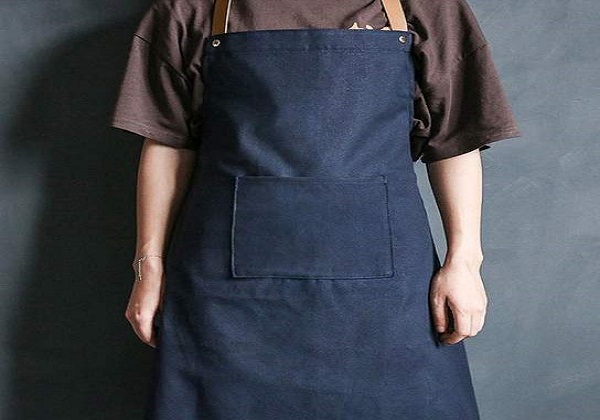
Functionality remains important, but the way it is presented has changed. Large, bulky pockets are being redesigned into sleek, structured compartments. Metal rivets, leather accents, and contrast stitching are being used not just for strength, but also for visual appeal.
Cross-back straps are gaining popularity because they distribute weight evenly and reduce neck pressure. Adjustable buckles, quick-release clips, and magnetic closures are also becoming common, making aprons easier to wear during long shifts.
Gender-Neutral and Inclusive Fits
One of the most important shifts in 2026 is the move toward inclusive sizing and gender-neutral designs. Aprons are now being created with adjustable lengths, wider waist ranges, and flexible strap systems. This ensures comfort for all body types without compromising on style.
Brands are moving away from “male” and “female” cuts and focusing instead on fit, movement, and adaptability. This not only improves employee comfort but also reflects a more inclusive workplace culture.
Customization Beyond Logos
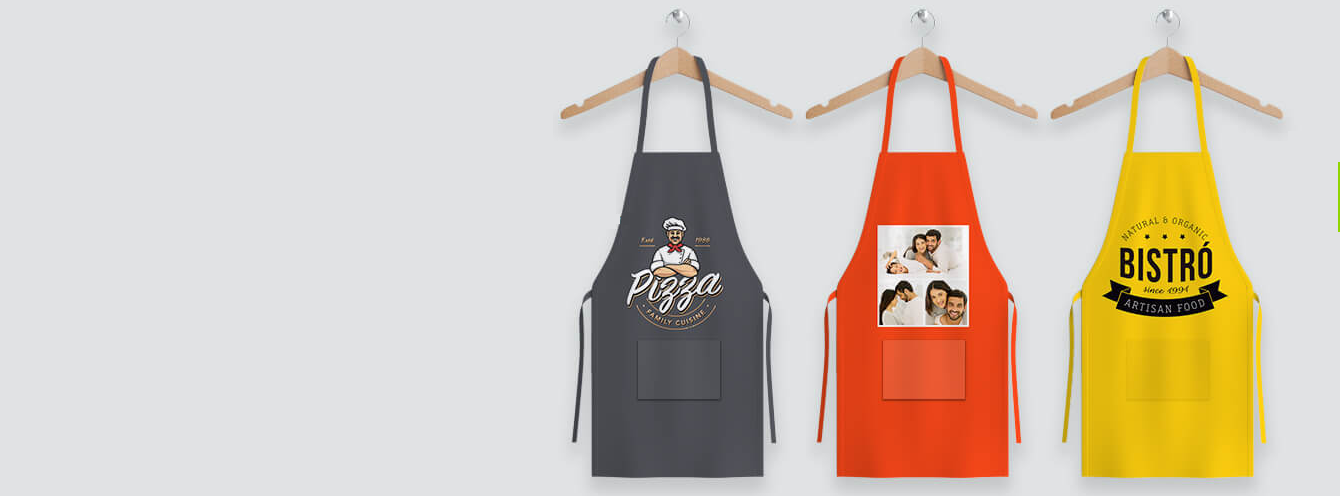
Personalization is going much deeper than just adding a logo. Businesses are now customizing pocket layouts, strap colors, stitching styles, and even fabric textures. Some are adding employee names, job titles, or small motivational phrases inside the apron.
For creative businesses like bakeries, art studios, and craft shops, aprons are being used as a visual extension of their brand personality. This level of detail helps build stronger brand recognition and makes employees feel more connected to what they wear.
Smart Features and Tech Integration
Technology is quietly entering the world of workwear. In 2026, some aprons are being designed with hidden pockets for wireless earbuds, pen holders with anti-slip lining, and even fabric treatments that resist stains and odors.
There is also experimentation with RFID tags for inventory tracking in large kitchens and warehouses. While still niche, this shows how aprons are becoming part of the broader smart workplace ecosystem.
Vintage Influences with a Modern Twist
Retro styles are making a strong comeback. Denim aprons, canvas textures, and old-school barber-style cuts are being reintroduced with modern tailoring. Think classic shapes paired with contemporary colors and improved fabrics.
This trend works especially well in cafés, breweries, and artisan shops where a handcrafted, authentic feel is part of the brand story. The balance between nostalgia and modern design is giving aprons a unique character.
Color Trends Shaping 2026 Workwear
Color plays a big role in how a space feels, and aprons are no exception. Earth tones, muted pastels, and warm neutrals are trending. Colors like terracotta, sage green, dusty blue, and soft beige are replacing harsh blacks and bright reds.
These tones are calming, visually pleasing, and photograph well for social media, which is a major consideration for many businesses. An apron now has to look good both in person and on camera.
Lightweight Fabrics for All-Day Comfort
Heavy, stiff aprons are being phased out. In their place, lightweight, breathable fabrics are gaining ground. Stretch blends, soft twills, and moisture-wicking materials are improving comfort during long working hours.
This is especially important in kitchens, salons, and outdoor workspaces where heat and movement are constant. Comfort is no longer sacrificed for durability—modern fabrics are delivering both.
Aprons as a Branding Asset
Businesses are increasingly viewing aprons as part of their marketing strategy. When staff members look polished and cohesive, it builds trust with customers. A well-designed apron communicates professionalism, attention to detail, and brand consistency.
In 2026, more companies are investing in cohesive apron designs across all locations to strengthen brand identity. This is particularly noticeable in café chains, boutique retail stores, and hospitality groups.
The Influence of Social Media and Visual Culture
Platforms like Instagram, TikTok, and Pinterest are shaping apron trends. Aesthetic workwear is more likely to be shared, which gives brands free exposure. As a result, apron designs are becoming more photogenic, with clean lines, balanced colors, and stylish cuts.
Employees also appreciate wearing something that looks good on camera, especially in customer-facing roles where content creation is part of the job.
Cultural and Local Design Elements
Another strong trend is the use of local patterns, traditional textiles, and regional design influences. Businesses are incorporating cultural elements into their apron designs to create a sense of authenticity and connection with their community.
This approach is popular in boutique hotels, local cafés, and artisan food brands that want to highlight their roots and tell a story through their visual identity.
Why Apron Trends Matter More Than Ever
Aprons might seem like a small detail, but they have a big impact. They influence how employees feel at work, how customers perceive a brand, and how smoothly daily tasks are carried out. The trends of 2026 show a clear shift toward thoughtful design, comfort, and individuality.
Workwear is no longer just about function. It is about expression, culture, and experience. As businesses become more design-conscious, aprons are becoming an integral part of the overall brand ecosystem.
Looking Ahead: The Future of Apron Design
The future points toward even more personalization, smarter fabrics, and deeper integration with brand storytelling. As workplaces continue to evolve, aprons will adapt alongside them. Expect to see more experimentation with textures, closures, and hybrid designs that blur the line between uniform and everyday wear.
What remains consistent is the focus on comfort, identity, and practicality. Aprons are no longer an afterthought; they are a considered element of modern workwear.
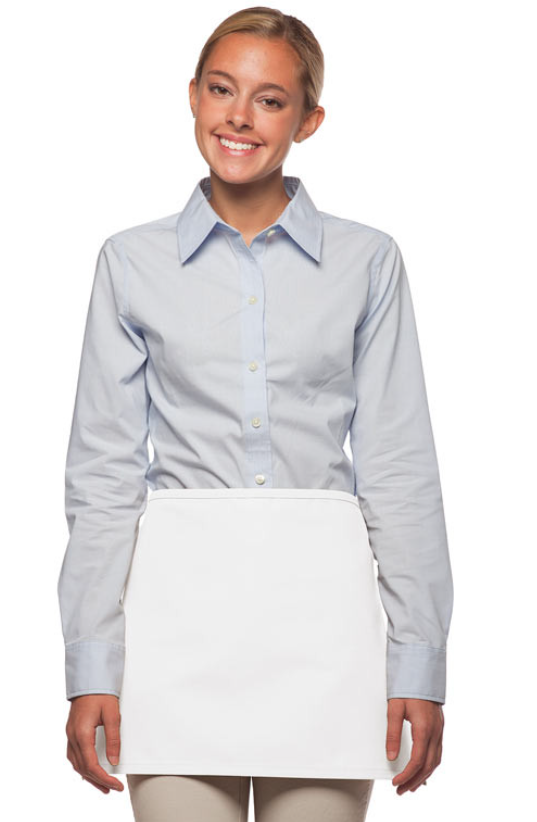
In 2026, apron design is about balance—style without sacrificing function, personality without losing professionalism, and innovation without complexity. Whether in hospitality, retail, creative studios, or service industries, aprons are shaping how teams present themselves and how brands are remembered. As trends continue to evolve, even classic formats like the waist apron are being reimagined with better fabrics, smarter cuts, and refined details to meet the expectations of modern workplaces.