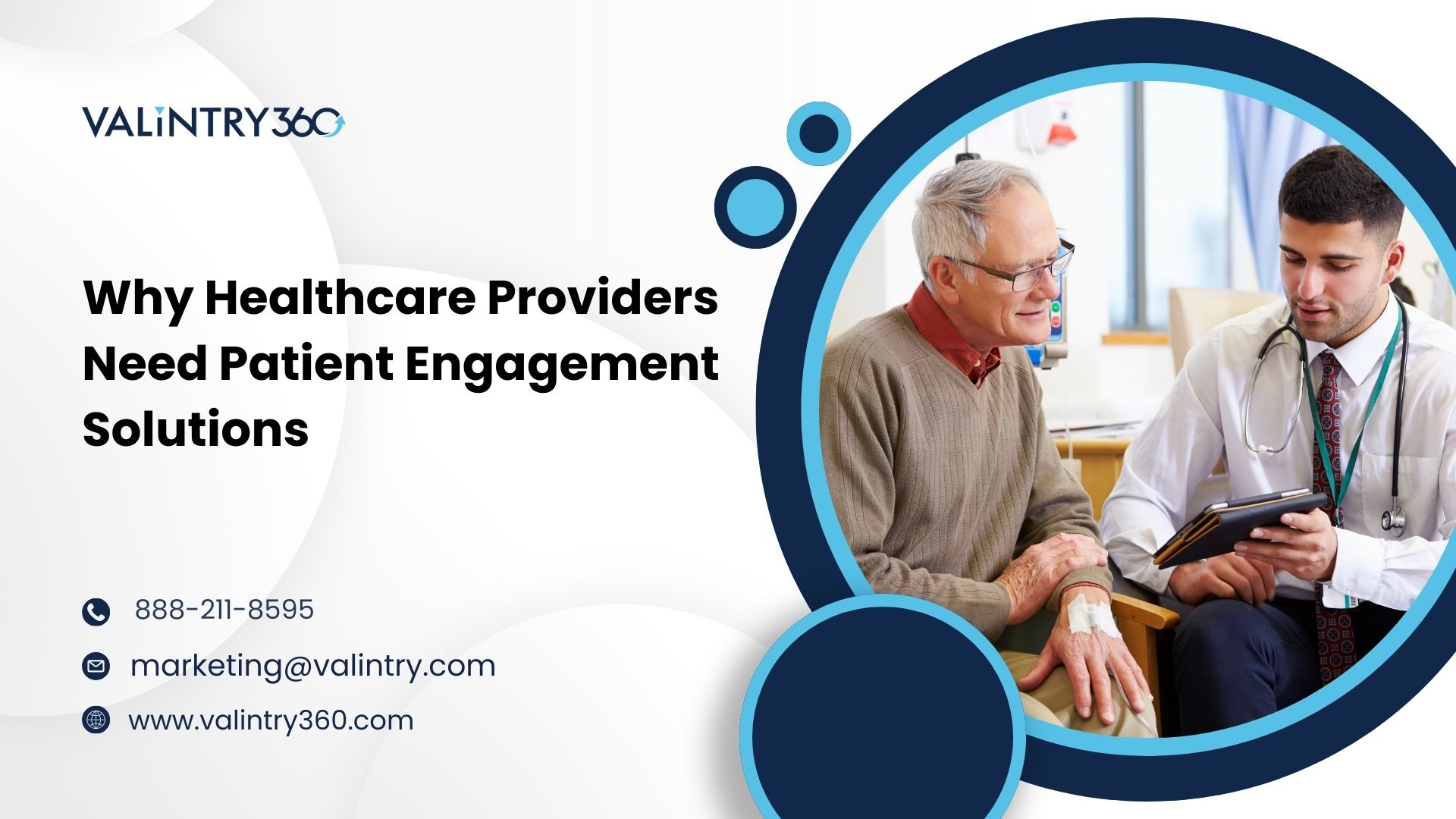
Healthcare is evolving beyond episodic treatment. Today’s providers are increasingly accountable for outcomes, quality metrics, and long-term patient well-being. At the heart of this shift is patient engagement — a critical driver of clinical success, patient satisfaction, and financial performance. One of the most effective strategies to enhance patient engagement is collaborative care planning.
Collaborative care planning transforms traditional care delivery by bringing patients, clinicians, and care teams onto a shared platform of communication, goals, and decision-making. This unified approach improves motivation, aligns expectations, and helps patients become active participants in their own health journeys.
What Is Collaborative Care Planning?
Collaborative care planning is the process by which care teams work directly with patients (and often caregivers) to develop, document, and manage personalized care plans. Unlike more transactional clinical encounters, it emphasizes dialogue, shared goals, and ongoing adjustment based on patient progress.
This approach includes:
- Engaging patients in setting realistic health goals
- Reviewing and aligning treatment options
- Clarifying responsibilities for self-management tasks
- Monitoring progress together over time
By centering the patient’s voice and preferences, collaborative care planning shifts care from “done to” to “done with.”
Why Patient Engagement Matters
Patient engagement is more than encouraging attendance at appointments or compliance with medications. Engaged patients:
- Understand their conditions better
- Are more likely to follow treatment plans
- Report higher satisfaction with care
- Experience better health outcomes
- Show improved adherence to follow-up recommendations
Research consistently shows that when patients are active participants in their care, clinical results improve and healthcare utilization becomes more efficient.
How Collaborative Planning Enhances Patient Engagement
1. Shared Goal Setting Builds Motivation
When patients help define their care goals — such as reducing pain, achieving mobility milestones, or managing chronic symptoms — they are more invested in the plan. Shared goals encourage accountability and empowerment, resulting in higher adherence.
2. Communication Grows Trust
Clear, open communication reduces confusion and strengthens trust. Collaborative care planning promotes two-way dialogue, allowing providers to explain clinical rationale in understandable terms and patients to express concerns or preferences.
3. Personalized Plans Increase Relevance
Standardized care pathways are helpful, but they must adapt to individual patient realities. Collaborative planning ensures that each plan reflects:
- Personal goals
- Lifestyle factors
- Cultural preferences
- Social and environmental barriers
This personalization makes care plans more actionable and meaningful.
4. Technology Supports Continuous Engagement
Digital tools — such as patient portals, mobile apps, and telehealth platforms — extend collaboration beyond the clinic visit. These tools allow:
- Secure messaging between visits
- Shared access to care plans
- Remote monitoring and symptom tracking
- Alerts for follow-up or care gaps
When patients can view and participate in their care plans digitally, engagement becomes continuous rather than episodic.
5. Team-Based Care Amplifies Support
Care planning is no longer limited to a single clinician encounter. Collaborative approaches include the whole care team:
- Primary care providers
- Specialists
- Nurses and care coordinators
- Behavioral health professionals
- Pharmacists
- Social workers
This coordinated effort ensures that all care components align and reinforce each other.
Collaborative Care Planning and Outcomes
Studies show that care plans built collaboratively can lead to:
- Reduced hospital readmissions
- Better chronic disease control
- Improved preventive care uptake
- Increased patient satisfaction
- Lower emergency department use
By engaging patients as partners, providers create plans that patients are more likely to follow — and that deliver measurable results.
Overcoming Barriers to Collaborative Planning
Despite its benefits, implementing collaborative care planning can face challenges:
- Time constraints in clinical workflows
- Lack of shared documentation tools
- Limited training in communication skills
- Fragmented health records
Addressing these barriers requires both operational strategy and technology support. Solutions include structured care plan templates, team huddles, integration with electronic health records (EHRs), and patient engagement platforms that support ongoing dialogue.
The Role of Care Coordination and Teamwork
Collaborative care planning works best when paired with strong care coordination. Care coordinators help:
- Track care plan progress
- Arrange follow-ups
- Monitor care transitions
- Address barriers such as transportation or social needs
This team-based approach ensures that plans aren’t just created — they are executed and adjusted over time.
For a deeper exploration of how coordinated, patient-centric tools improve outcomes and operational performance, see our complete guide to care coordination.
Conclusion
Collaborative care planning is a powerful approach to enhancing patient engagement. By involving patients in decision-making, aligning goals, and using technology to maintain ongoing communication, providers can build stronger therapeutic relationships and drive better outcomes.
Healthcare today demands engagement that goes beyond instructions on a page. When patients and care teams work together to craft and refine plans of care, engagement becomes a shared journey — one that leads to healthier, more empowered patients and more effective, efficient care delivery.



Just like an engine needs fuel to move forward, organizations needs customers and business revenue for their growth.
With the advent of the digital age, the concept of marketing and advertising has undergone tremendous innovation.
Today, you find various tools to not only convey a single message to a larger audience, but also to monitor the response, track ROI on each marketing campaign and filter quality leads who can become customers, contributing to the bottom line.
https://is.gd/NBPmt3 For a simple process of sending out email newsletters, marketers use tools like MailChimp which is a widely recognized email communication tool.
The way marketers contribute to business generation is by providing quality leads.
It sounds simple, but it’s like finding a needle in a haystack.