Behavioral healthcare continues to evolve in response to shifting client expectations, workforce challenges, and changing payment models. Traditional fee-for-service reimbursement — where each session or intervention is billed separately — has long been the default. However, this approach often limits continuity of care and heightens administrative complexity. In contrast, subscription-based behavioral healthcare is emerging as a compelling alternative that aligns financial sustainability with consistent client support and improved care outcomes.
As providers explore new ways to deliver value and enhance client engagement, subscription models offer a way to reduce barriers to access while stabilizing practice revenue. Understanding why and how subscription-based care works is essential for organizations seeking to thrive in today’s competitive and outcome-focused healthcare environment.
The Challenges of Traditional Behavioral Health Reimbursement
Behavioral health practices face unique reimbursement pressures that make traditional fee-for-service models difficult to sustain. Billing per encounter can:
- Create unpredictability in revenue streams
- Disincentivize frequent engagement or early follow-up
- Lead to administrative burden with frequent claims submission and denials
- Discourage clients from continuing care due to unclear or variable costs
The result is often fragmented care, disengagement, and financial strain for providers — all while clinical needs demand stability, consistency, and continuity.
Subscription Models: What They Are and Why They Matter
A subscription-based model charges clients a recurring fee — often monthly — for access to a defined suite of behavioral health services. This can include scheduled therapy sessions, care coordination check-ins, digital support tools, and priority access to crisis support.
Instead of tracking and billing each service individually, subscription care offers a predictable and transparent cost structure. For clients, this simplifies access and reduces financial anxiety. For providers, it creates a stable revenue base that supports long-term planning and continuous care engagement.
Key Benefits of Subscription-Based Behavioral Healthcare
Accessibility and Client Engagement
Subscription models reduce financial barriers and uncertainty, encouraging clients to engage consistently in care. When clients understand what they are paying for and can access support without repeated authorization hurdles, continuation rates improve. Consistent engagement is especially vital in behavioral health, where progress often depends on sustained therapeutic relationships rather than isolated visits.
Reduced Administrative Burden
Traditional billing requires frequent claims submission, coding oversight, and denial management. Subscription billing, by contrast, minimizes repetitive administrative tasks. With fewer claims to process and less time spent on procedural billing cycles, staff can focus on clinical priorities and quality improvement.
Predictable Revenue and Operational Planning
For providers, a subscription model creates a more predictable and stable financial environment. Rather than waiting for the ebb and flow of session-based reimbursements — which can vary widely based on payer mix, coding accuracy, and client attendance — practices can forecast revenue more reliably. This stability supports growth, resource allocation, and investment in care infrastructure.
Care That's Aligned With Value-Based Goals
Behavioral health is increasingly influenced by value-based care initiatives, which reward outcomes, continuity, and quality rather than service volume. Subscription models intrinsically align with these principles: they encourage regular engagement, long-term therapeutic relationships, and holistic management of mental health needs. This alignment helps position practices for participation in emerging payment arrangements and quality reporting frameworks.
How Subscription Models Can Be Designed for Behavioral Health
Implementing a subscription model requires thoughtful design:
Define Included Services: Establish clear parameters around what services are covered under subscription — therapy visits, crisis support, digital tools, care coordination, etc.
Tiered Options: Consider subscription tiers that meet diverse client needs, from basic support to more intensive care bundles.
Transparent Communication: Ensure clients clearly understand what’s included, how to access services, and any boundaries on usage.
Monitor Utilization: Use data to measure how often services are used and whether subscription benefits translate into meaningful engagement and outcomes.
Careful design ensures that subscription models are both sustainable for the practice and valuable for clients.
Operational and Technology Considerations
Subscription-based care relies on operational infrastructure that supports recurring billing, utilization tracking, and client engagement measurement. Practices may need systems that can:
- Handle recurring billing and member management
- Track utilization patterns across service types
- Support scheduling, reminders, and client communications
- Integrate clinical records with value-tracking tools
Behavioral health electronic health records (EHRs) and care platforms that support flexible service definitions and recurring revenue tracking are valuable assets when implementing subscription models.
Supporting Quality and Outcomes
Quality of care remains paramount in any service delivery model. Subscription approaches encourage providers to think beyond individual visits toward longitudinal outcomes. Measuring success requires looking at:
- Client engagement over time
- Functional improvement and quality of life indicators
- Client satisfaction and retention
- Utilization efficiency and cost-savings
When measurement focuses on outcomes as well as engagement, subscription models can demonstrate both clinical value and operational return — ultimately supporting better client well-being and stronger organizational evidence.
Addressing Misconceptions Around Subscription Care
A common misconception is that subscription models favor profit over client care. In reality, when thoughtfully implemented, subscription care empowers clients with clarity and encourages consistent engagement rather than episodic attendance. The predictability of access often leads to better therapeutic continuity and reduces drop-offs that occur when clients face unexpected costs or complicated billing.
Another concern is that subscription care could lead to misuse or overutilization. Addressing this requires careful design of service bundles and monitoring mechanisms to ensure resources are used appropriately and sustainably.
A Strategic Opportunity for Behavioral Health Practices
As payment models continue to evolve, subscription-based behavioral healthcare presents a strategic opportunity to reshape service delivery. By aligning financial incentives with client engagement, reducing administrative complexity, and supporting long-term therapeutic relationships, subscription models offer a modern path forward — one that addresses both the clinical and operational challenges faced by behavioral health providers today.
Adoption may not be universal or immediate, but for practices willing to embrace innovation, subscription care represents a meaningful shift toward value-aligned, client-centric behavioral health.
Conclusion
Subscription-based behavioral healthcare is more than a pricing model — it’s a framework that aligns care delivery with long-term engagement, predictability, and quality outcomes. By creating cost transparency for clients and operational stability for providers, subscription models are reshaping expectations around access, continuity, and financial sustainability in behavioral health settings.
Providers who explore and adapt to this model position themselves to improve client experience, streamline administrative burdens, and thrive in an increasingly value-oriented healthcare landscape.




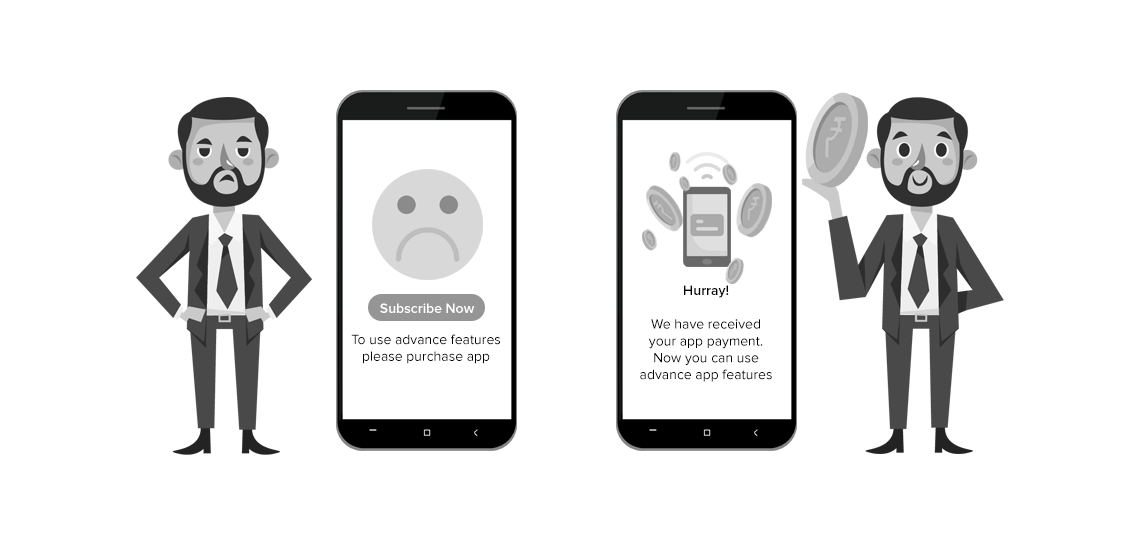
Subscription business model is more of a revenue-generating model every industry services are adopting for.
Whether we talk about food delivery app like Zomato or entertainment apps like amazon prime, this model is acting as a money giver to each of this niche.
The idea of subscription-based apps has become increasingly more popular and prevalent in recent years.
The concept of paying based on the monthly bases to access the application is accepted wholeheartedly by its audience.
Here the customer needs to pay a recurring price at regular intervals to continue accessing the product or service he has subscribed for.
Some of the factors why this model has become so popular among the app owners Subscription based apps generate more revenue.It provides a reliable source of incomeFewer chances of a financial lossMore/ consistent user engagement with the appMore discounts/offers lead more subscribers These are some of the benefits why these model must be adopted by most of the new mobile application owners.