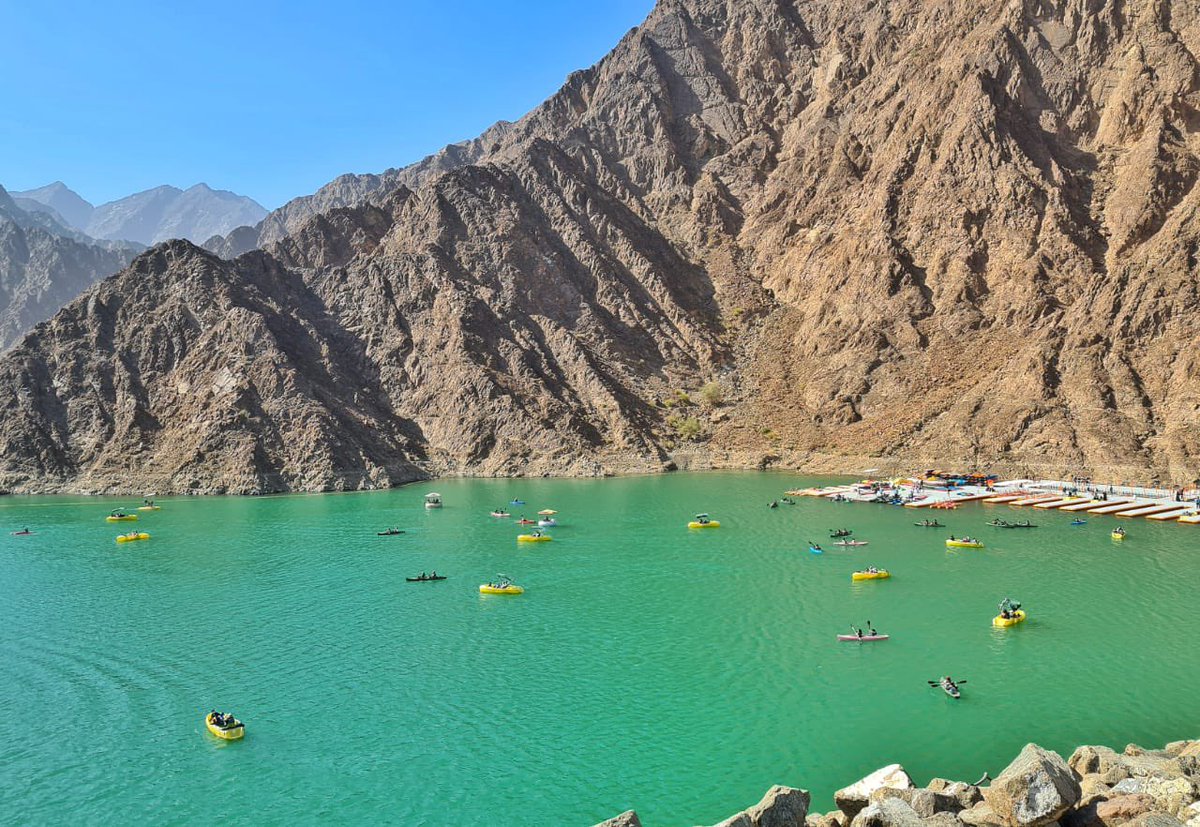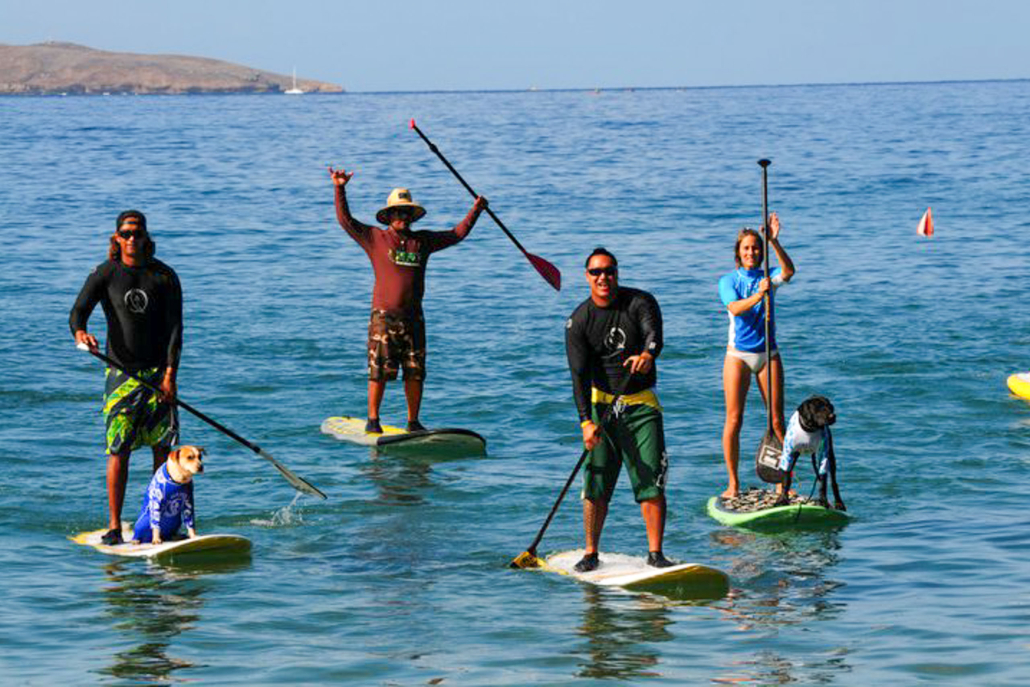
Hawaiian paddle sports offer an unmatched way to experience the islands' crystal-clear waters, vibrant marine life, and breathtaking coastal landscapes. Whether you're gliding through Waikiki's gentle waves on a stand-up paddleboard, joining expert-led Maui kayak tours to hidden sea caves, or navigating traditional outrigger canoes along Molokai's historic coastlines, Hawaii's paddling adventures deliver authentic island experiences that connect you with both nature and centuries-old Polynesian traditions. From beginner-friendly Maui kayak adventures in protected bays to advanced ocean crossings, these water-based activities provide physical challenge, spiritual connection, and unforgettable encounters with sea turtles, dolphins, and seasonal humpback whales making them essential bucket-list experiences for anyone visiting the Aloha State.
Why Hawaiian Paddle Sports Captivate Every Skill Level
The magic of Hawaiian paddle sports lies in their accessibility and diversity. I've spent fifteen years guiding visitors through these waters, and I've watched complete beginners find their rhythm within minutes while experienced paddlers discover challenging new environments that test their skills.
Hawaii's unique geography creates ideal paddling conditions year-round. Protected bays offer calm morning sessions perfect for families, while open ocean channels challenge advanced paddlers seeking adrenaline-pumping adventures. The warm tropical waters (averaging 75-80°F) mean you're comfortable in minimal gear, and the visibility often exceeds 100 feet transforming every paddle stroke into a window to an underwater wonderland.
What sets these experiences apart is the cultural depth. Paddling isn't just recreation here; it's woven into Hawaiian identity. Ancient Polynesians navigated thousands of miles across open ocean using only stars, currents, and their intimate knowledge of the sea. When you paddle in Hawaii, you're touching that living heritage.
Stand-Up Paddleboarding: The Gateway to Hawaiian Waters
Stand-up paddleboarding (SUP) has exploded in popularity across the islands, and for good reason. This versatile Hawaiian paddle sport requires minimal equipment and delivers immediate rewards.
Waikiki Beach remains the SUP epicenter, where gentle rolling waves provide the perfect learning environment. Early morning sessions (6-8 AM) offer glassy conditions before trade winds pick up. You'll paddle past Diamond Head's volcanic profile while spinner dolphins occasionally breach nearby an experience that never gets old, even for locals.
For intermediate paddlers, Kailua Bay on Oahu presents stunning turquoise waters and the opportunity to paddle to the Mokulua Islands. The one-mile journey takes about 30 minutes, and the secluded beaches reward your effort with pristine snorkeling and often complete solitude.
Advanced SUP enthusiasts should explore the North Shore during summer months when massive winter swells subside. Paddling Waimea Bay or along the Seven Mile Miracle coastline provides humbling perspective on where the world's best surfers perform their craft.
Maui Kayak Tours: Exploring the Valley Isle's Hidden Treasures
Maui kayak tours consistently rank among Hawaii's most sought-after water activities, combining ecological education with physical adventure. The island's diverse coastline creates distinct paddling personalities across different regions.
Makena's Turtle Town kayak adventures launch from Makena Landing, guiding you along South Maui's protected coral reefs. Within 20 minutes of paddling, you're typically encountering green sea turtles (honu) in their natural feeding grounds. These gentle giants, some weighing over 300 pounds, glide gracefully beneath your kayak a humbling reminder of Hawaii's incredible marine biodiversity.
The Honolua Bay area on West Maui offers Maui kayak adventures through a Marine Life Conservation District. Winter months (December-April) bring migrating humpback whales so close you can feel their exhalations misting the air. Responsible tour operators maintain legal distances while positioning kayaks for breathtaking encounters that respect these magnificent creatures.
For truly adventurous spirits, sea cave kayaking along Maui's rugged coastline provides exhilarating exploration. These geological formations, carved by millennia of wave action, create cathedral-like spaces where light filters through openings, illuminating walls covered in marine growth. Experienced guides navigate tidal conditions safely while sharing geological and cultural stories.
Maui Kayaks: Choosing Your Vessel Wisely
Understanding Maui kayaks and their appropriate applications significantly enhances your experience. Touring kayaks longer, narrower designs track efficiently through open water, making them ideal for distance paddles to offshore destinations. Their storage compartments accommodate snorkel gear, waterproof cameras, and safety equipment.
Sit-on-top kayaks dominate recreational Maui kayak tours due to their stability and ease of entry. These user-friendly vessels forgive beginner mistakes while providing confident platforms for photography, snorkeling breaks, and simply soaking in surroundings. Most outfitters offer both single and tandem options, with tandems perfect for couples or parents paddling with children.
Transparent-bottom kayaks have recently gained popularity, transforming the paddling experience into a continuous reef safari. While slightly heavier and less maneuverable, they're worth requesting for shallow-water tours where marine life viewing is the primary objective.

Outrigger Canoe Paddling: Connecting with Ancient Traditions
Outrigger canoe paddling represents the soul of Hawaiian paddle sports. These sleek vessels, stabilized by lateral supports called ama, carried Polynesian voyagers across vast ocean expanses an achievement that ranks among humanity's greatest navigational accomplishments.
Waikiki's outrigger canoe clubs welcome visitors for sunrise paddles and cultural education. Six-person crews work in synchronized rhythm, the steersman calling cadence while paddlers drive the canoe forward with powerful strokes. The camaraderie is immediate and infectious.
Molokai's annual Hoe (Paddle) Festival celebrates outrigger culture through races, craft demonstrations, and traditional ceremonies. Even if you're not competing, witnessing these events provides profound insight into Hawaii's living heritage. Local practitioners share ancestral knowledge about reading swells, understanding currents, and respecting the ocean as a life-giving force.
Seasonal Considerations for Hawaiian Paddle Sports
Hawaii's paddling conditions shift with seasons, each period offering distinct advantages. Summer months (May-September) bring calmer seas, particularly along north and west-facing shores. Water visibility peaks, and afternoon trade winds remain predictable typically building after noon.
Winter (November-March) transforms Hawaiian paddle sports dynamics. North shores receive massive swells, making them dangerous for all but expert paddlers. However, south-facing locations remain accessible, and this is prime whale-watching season. Morning sessions maximize calm conditions before wind and swell increase.
Spring and fall shoulder seasons deliver exceptional value fewer crowds, favorable conditions, and lower prices on Maui kayak adventures and other guided experiences. September through October offers particularly warm water temperatures and excellent visibility for underwater observation.
Safety Essentials Every Paddler Must Know
Hawaii's waters demand respect. Even experienced paddlers encounter challenges here that don't exist elsewhere. Ocean currents, sudden weather changes, and powerful marine life require vigilant awareness.
Always paddle with proper flotation devices, even in seemingly calm conditions. Hawaii's trade winds can strengthen rapidly, turning easy return paddles into exhausting battles. Inform someone of your route and expected return time.
Respect marine life by maintaining legal distances, 10 feet from sea turtles, 50 yards from dolphins, 100 yards from whales. These aren't arbitrary rules; they protect both animals and paddlers. A startled sea turtle or defensive dolphin can capsize a kayak.
Sun protection transcends casual concern in these latitudes. The tropical sun reflects intensely off water, attacking from multiple angles. Water-resistant SPF 50+ sunscreen, protective clothing, and wide-brimmed hats prevent burns that ruin vacations.
Choosing Reputable Operators for Guided Hawaiian Paddle Sports
The quality gap between excellent and mediocre Maui kayak tours is substantial. Top-tier operators employ guides with extensive local knowledge, maintain equipment meticulously, and prioritize small group sizes that enable personalized attention.
Look for companies with certified guides holding credentials like American Canoe Association instructor certifications or extensive local experience. They should provide thorough safety briefings, quality equipment, and clear communication about physical requirements and ocean conditions.
Responsible operators demonstrate environmental stewardship educating about reef protection, practicing leave-no-trace principles, and supporting conservation initiatives. They'll never chase wildlife or encourage behaviors that stress marine animals.
Reading recent reviews reveals consistent patterns. Exceptional guides transform Maui kayak adventures from simple paddling into educational journeys, weaving natural history, cultural stories, and practical skills throughout the experience.
Planning Your Hawaiian Paddle Sports Adventure
Book popular Hawaiian paddle sports experiences well in advance, especially during peak seasons (December-March, June-August). The best Maui kayak tours fill weeks ahead, and early booking often secures discounted rates.
Morning departures almost universally provide superior conditions calmer winds, clearer water, and better wildlife activity. That 6 AM alarm seems harsh until you're gliding across mirror-like water while the sun paints Diamond Head in golden light.
Physical preparation matters more than most realize. Even "easy" paddles engage muscle groups that typical gym workouts neglect. Simple at-home exercises planks, rotational movements, and shoulder strengthening dramatically improve your experience and reduce next-day soreness.
Pack thoughtfully. Waterproof phone cases, reef-safe sunscreen, light snacks, and plenty of water enhance comfort. Most operators provide dry bags, but bringing your own ensures valuables stay protected.
The Lasting Impact of Hawaiian Paddle Sports
These experiences transcend typical vacation activities. Paddling through Hawaii's pristine waters creates visceral connections with natural environments increasingly rare in our modern world. You return home with more than photos you carry memories of turtle encounters, the rhythm of synchronized paddling, and perhaps a deeper understanding of why Hawaiians consider the ocean sacred.
Hawaiian paddle sports offer transformative adventures accessible to virtually everyone willing to pick up a paddle. Whether you're booking your first Maui kayak tour, perfecting your stand-up paddleboarding technique, or learning outrigger traditions from cultural practitioners, these waters await with experiences that will reshape how you understand both Hawaii and your own capabilities.
The islands are calling. Your paddle awaits.


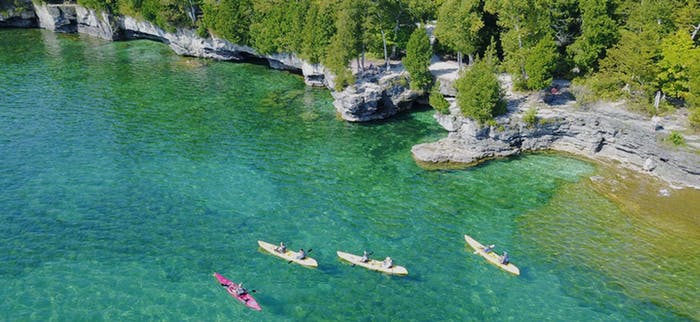
Do you wish to have the best of Door County Kayak Tours?
If you have, such wishes do call us at Cave Point Paddle & Pedal to have such.
Our long experience of 16 years has given us the knowledge and experience to offer such tours.