

There are places we enter and immediately relax. We do not consciously decide to trust them. It happens quietly. Our shoulders drop. Our movements slow. We stop scanning the room and start existing within it.
I have been thinking about what creates that feeling. It is rarely something obvious. It is not the newest furniture or the most interesting display. More often, it is the absence of confusion. The space feels understandable. It does not ask us to figure things out.
The first time I visit a new place, I am always aware of my surroundings. I look for signs, cues, and patterns. I pay attention to where people stand and how they move. After a few visits, that awareness fades. I stop thinking about where to go or what to do. My body remembers. That is when trust begins to form.
This trust is built through consistency. When signs stay where you expect them. When lighting does not change unpredictably. When information is easy to find without effort. These details work together to reduce mental load. The less energy we spend navigating a space, the more comfortable we feel.
I notice this especially in places I return to regularly. A small shop. A local cafe. A familiar workspace. Over time, the layout becomes second nature. The signs become landmarks rather than instructions. They are no longer something I read. They are something I recognize.
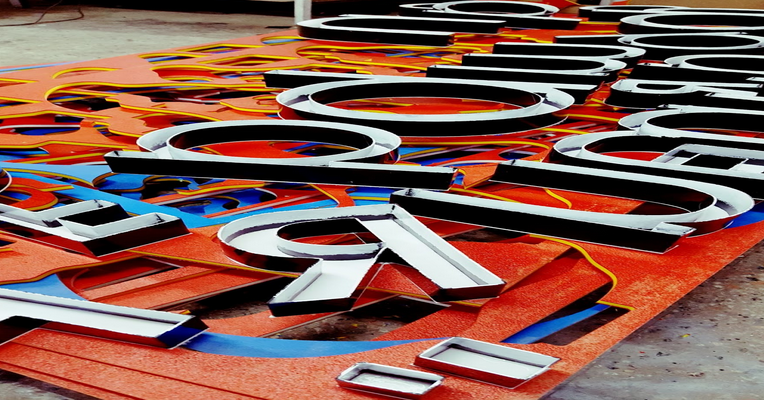
Good visual communication plays a quiet role here. Clear signage that does not compete for attention helps people move with confidence. Many businesses rely on consistent, well made signs to support this experience, often working with providers like Signs at Wholesale who focus on clarity and durability rather than novelty. When signage lasts and remains readable, it becomes part of the environment rather than a distraction.
What stays with us is not the sign itself, but the feeling it supports. Ease. Orientation. A sense that someone thought about the visitor’s experience.
Over time, these places begin to feel dependable. Even on busy or uncertain days, they remain the same. That steadiness matters. It creates a subtle emotional bond that goes beyond transactions or purpose.
I think this is why we return to certain places even when there are alternatives. They feel familiar. They do not demand attention or effort. They allow us to focus on why we are there, not on how to navigate the space.
Trust, in this sense, is not built through promises or explanations. It is built through repetition. Through details that remain consistent. Through spaces that quietly support us without asking for recognition.
The places that earn our trust rarely announce themselves. They simply work. And in doing so, they become part of our routine, our memory, and our sense of comfort.