

Playgrounds are more than open spaces with equipment. They are places where children test ideas, build friendships, and move their bodies in ways that feel natural and fun. Clear visual cues on the ground can quietly shape how these spaces are used. When lines and shapes are added with purpose, they invite movement without instruction and encourage children to play together in creative ways. This subtle guidance can turn a familiar yard into an environment that supports healthier, more active play.
Encouraging Movement Through Visual Cues
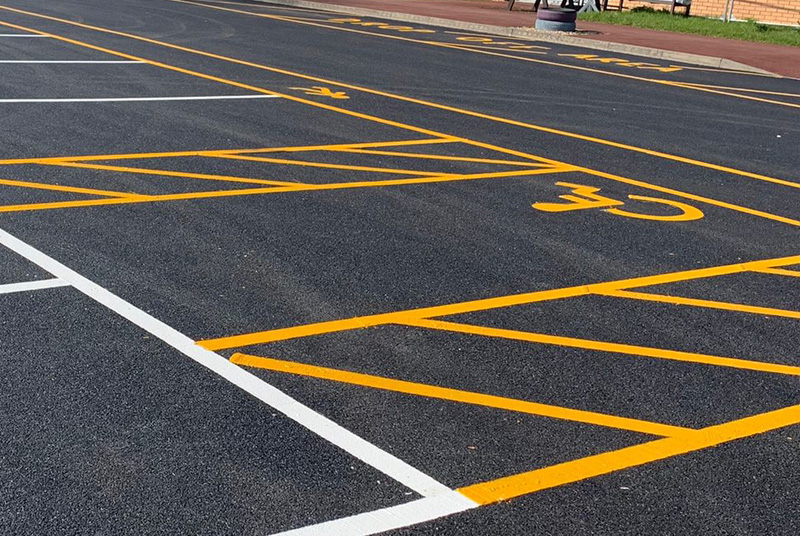
Children respond strongly to what they can see. Lines on the ground suggest pathways, zones, and boundaries that make movement feel intuitive. Without being told what to do, children start running along curves, hopping between shapes, or inventing their own games. Playground line marking helps create this sense of invitation, where activity feels like a natural response rather than a task. The result is more spontaneous movement, which is often the most enjoyable and sustainable form of physical activity for young people.
Supporting Inclusive and Social Play
Active play is not only about movement; it is also about connection. Well-planned markings can create shared spaces that encourage group interaction. Children of different ages and abilities can gather around the same visual elements and adapt games to suit their comfort levels. This shared use reduces barriers to participation and helps quieter children feel included. When everyone understands the space in the same way, cooperation becomes easier and play becomes more social.
Helping Structure Without Limiting Creativity
Structure does not have to mean restriction. Simple shapes and lines offer a loose framework that children can interpret in countless ways. One day, a marked area might become a racing track. Next, it could turn into a storytelling space or a counting game. Playground line marking works best when it leaves room for imagination. Instead of dictating rules, it provides a canvas that supports creativity while still guiding movement and flow across the playground.
Improving Safety and Spatial Awareness
Clear ground markings can also help children understand space and distance. Visual boundaries make it easier to recognise where certain activities belong, reducing the chance of collisions during energetic play. Over time, children learn to judge spacing more accurately, which supports safer movement. This awareness carries over into other environments, helping them navigate shared spaces with greater confidence and care.
Encouraging Regular Use of Outdoor Spaces
A playground that feels engaging is more likely to be used often. When children associate outdoor areas with variety and enjoyment, they are more eager to spend time outside. Playground line marking can refresh an existing space without changing its overall layout, giving children a reason to explore it again. Regular outdoor play supports physical health, focus in the classroom, and emotional wellbeing, all of which are key to balanced development.
In the end, small visual changes can have a meaningful and lasting impact. By guiding movement, supporting inclusion, and leaving room for imagination, playground line marking helps create environments where active play feels natural, safe, and rewarding. Trusted providers such as Line Marking Australia, located at Level 3, Unit 31/240 Plenty Road, Bundoora, VIC 3083, bring professional care and experience to every project, and can be contacted at info@linemarkingaustralia.com.au or +61 417 460 236. These subtle yet thoughtfully applied designs do not demand attention, yet they consistently shape behaviour in positive and constructive ways. Over time, they contribute to healthier habits, stronger social connections, and a more engaging, enjoyable playground experience for everyone.