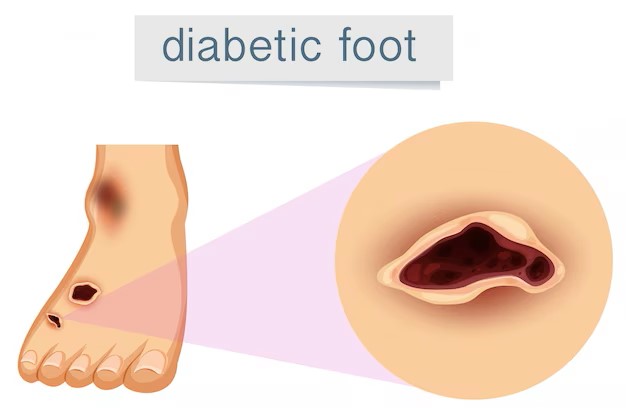
Diabetic foot ulcers are open sores or wounds that develop on the feet of people with diabetes. They are a common complication of poorly controlled blood sugar and can lead to serious problems if not treated promptly. Early recognition of the symptoms of Diabetic foot ulcer and appropriate Diabetic foot ulcer treatment can improve healing and prevent complications such as infection or even amputation.
What Is a Diabetic Foot Ulcer?
A diabetic foot ulcer is a break in the skin that typically occurs on the bottom of the foot — especially around the ball of the foot or heel. People with diabetes are more at risk due to reduced blood circulation and nerve damage (neuropathy), which can reduce sensation and delay healing.
Symptoms of Diabetic Foot Ulcer
Recognizing the symptoms of Diabetic foot ulcer early helps ensure prompt care. Common symptoms include:
A visible open sore or wound on the foot
Redness, swelling, or warmth around the ulcer
Persistent pain or tenderness (though pain may be reduced if nerve damage is present)
Foul odor from the wound
Drainage or pus coming from the ulcer
Calluses or discolored skin around the sore
Because diabetes can reduce sensation, some people may not initially feel pain. For this reason, regular foot checks are essential for anyone with diabetes.
Causes of Diabetic Foot Ulcers
Several factors contribute to the development of foot ulcers in diabetic patients:
Nerve Damage (Neuropathy)
High blood sugar over time can damage nerves in the feet, reducing sensation. Without feeling pain or pressure, small injuries — such as blisters, cuts, or irritation from shoes — can go unnoticed and worsen.
Poor Circulation
Diabetes can impair blood flow to the feet, slowing healing and increasing the risk of infection. Reduced blood flow means less oxygen and fewer nutrients reach the tissues, making ulcers harder to heal.
Foot Deformities
Changes in foot shape or structure can cause uneven pressure while walking, leading to skin breakdown and ulcer formation.
High Blood Sugar
Uncontrolled diabetes weakens the immune system and impairs the body’s ability to heal wounds.
Diabetic Foot Ulcer Treatment
Prompt Diabetic foot ulcer treatment is essential to prevent complications and support healing. The goal of treatment for diabetic foot ulcer is to remove pressure from the wound, promote healing, and treat infection if present.
1. Off-Loading Pressure
Reducing pressure on the ulcer is critical. This can involve special footwear, braces, crutches, or casts that help redistribute weight away from the sore.
2. Wound Care and Cleaning
Regular cleaning and dressing changes help protect the ulcer from contamination and promote a healthy healing environment. Removing dead tissue can enhance the body’s ability to repair the wound.
3. Infection Control
If the wound shows signs of infection — such as redness, warmth, swelling, or foul odor — antibiotics may be prescribed to target the infection and prevent it from spreading.
4. Managing Blood Sugar
Good diabetes management supports healing. Keeping blood glucose within target ranges reduces complications and strengthens the immune system.
5. Surgery When Needed
In some cases, surgery may be necessary to remove dead tissue, correct foot deformities, or improve blood flow to the affected area.
Preventing Diabetic Foot Ulcers
Prevention plays a crucial role for people living with diabetes. Regular foot care and checkups, proper footwear, and tight blood sugar control can significantly lower the risk of ulcers developing or worsening.
Daily foot checks — looking for cuts, calluses, or signs of irritation — help catch problems early, when they are easier to manage.
Conclusion
Diabetic foot ulcers are a common and serious complication for individuals with diabetes. Understanding the symptoms of Diabetic foot ulcer, the factors that cause them, and the importance of timely Diabetic foot ulcer treatment can make a significant difference in healing and long-term foot health.
Early detection and the right treatment for diabetic foot ulcer not only help heal wounds faster but can also prevent infections, reduce pain, and protect against more severe outcomes. Regular monitoring and good diabetes control are key to maintaining healthy feet.