In today’s global trade environment, China remains one of the world’s largest manufacturing hubs. Businesses across the globe rely on Chinese suppliers for electronics, textiles, machinery, toys, furniture, and countless other products. However, manufacturing overseas also brings risks—quality issues, incorrect specifications, damaged goods, or shipment delays. This is where pre shipment inspection in china becomes a critical step in the supply chain.
A professional inspection before goods leave the factory helps importers protect their investment, maintain quality standards, and avoid costly disputes.
What Is Pre Shipment Inspection?
Pre shipment inspection is a quality control process conducted when production is nearly complete—usually when 80–100% of goods are finished and packed. Inspectors evaluate the products based on buyer requirements, international standards, and contractual specifications.
The main purpose of pre shipment inspection in china is to confirm that the shipment meets expectations before final payment is released and goods are loaded for export.
Why Pre Shipment Inspection in China Matters
Manufacturing defects or specification errors discovered after shipment can result in major losses. Once goods reach the destination port, returning or repairing them becomes extremely expensive.
Here’s why inspections are essential:
1. Quality Assurance
Inspection ensures that products meet approved samples, technical drawings, and quality benchmarks.
2. Risk Reduction
It minimizes risks related to defective items, incorrect labeling, poor workmanship, or missing components.
3. Payment Protection
Many buyers release the final balance only after passing inspection, preventing financial loss.
4. Supplier Accountability
Factories are more likely to maintain consistent quality when they know inspections are mandatory.
5. Brand Reputation Protection
Consistent quality keeps customers satisfied and protects your brand image in competitive markets.
What Is Checked During Inspection?
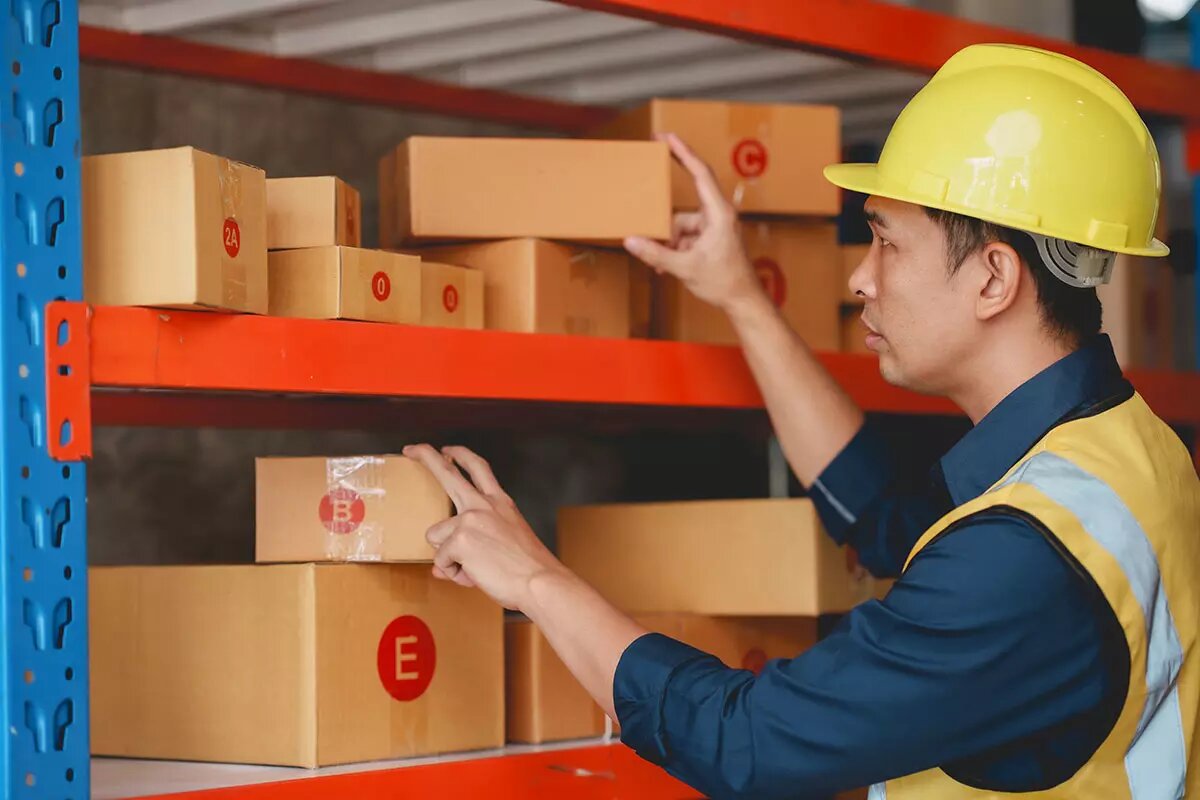
A standard pre shipment inspection in china covers multiple aspects of the order:
Product quantity verification
Workmanship quality check
Function and performance testing
Size, weight, and measurement accuracy
Material and color conformity
Packaging and labeling review
Carton drop test (if required)
Barcode, logo, and marking accuracy
All findings are documented in a detailed inspection report with photographs.
Types of Products Commonly Inspected
Pre-shipment inspections are widely used for:
Consumer electronics
Garments and textiles
Footwear and accessories
Furniture and home décor
Toys and children’s products
Industrial equipment
Automotive parts
Promotional items
No matter the product type, pre shipment inspection in china ensures export readiness.
When Should the Inspection Be Done?
The ideal time is when:
Production is fully completed
At least 80% of goods are packed
Cartons are sealed and ready for loading
Conducting inspection too early may not reflect the final shipment condition.
Benefits for Importers and Businesses
Cost Savings
Fixing defects at the factory costs far less than replacing products overseas.
Faster Customs Clearance
Proper labeling and packaging reduce customs delays.
Reduced Returns
Fewer defective products mean fewer customer complaints and returns.
Better Supplier Relationships
Clear inspection standards encourage transparency and long-term cooperation.
Peace of Mind
Buyers gain confidence knowing their shipment meets expectations.
Choosing the Right Inspection Partner
When selecting an inspection company in China, consider:
Experience with your product category
Local inspectors across major manufacturing regions
Same-day or next-day inspection capability
Clear and unbiased reporting
Compliance with international standards such as AQL
A reliable partner ensures accurate results and unbiased quality evaluation.
Common Problems Detected During Inspection
Many issues are discovered during pre shipment inspection in china, including:
Incorrect materials used
Poor stitching or finishing
Color variations
Missing accessories
Faulty electrical components
Weak packaging
Incorrect quantity per carton
Wrong shipping marks
Identifying these problems early prevents shipment rejection and customer dissatisfaction.
Final Thoughts
In international trade, prevention is always better than correction. No matter how trustworthy a supplier may seem, quality inconsistencies can occur without warning. That’s why pre shipment inspection in china is not an optional step—it’s a smart business strategy.
By verifying product quality before shipment, businesses protect their finances, maintain consistent standards, and build stronger supply chains. Whether you are a first-time importer or an established global brand, investing in pre-shipment inspection ensures that what you ordered is exactly what you receive.