Summer months can bring more than sunshine — they can bring a swarm of flies that irritate not just humans, but our canine companions too. Fly bites and constant buzzing around the face, ears and eyes can cause discomfort, stress and even skin infections in dogs. Many pet owners ask how best to protect their dog from pests, which makes selecting the right fly repellent for dogs an important part of seasonal care.
Why Do Dogs Need Fly Protection?
Flies may seem harmless, but for dogs they can:
- Sting sensitive skin, especially around the eyes and ears
- Spread bacteria and parasites through biting and landing
- Trigger itching, inflammation and secondary infections
- Stress dogs who try to shake or hide from persistent insects
Breeds with folds, long ears or short muzzles can be especially prone to fly irritation, making effective protection essential.
What Types of Fly Repellent Are Safe for Dogs?
Not all insect repellents designed for people are safe for pets. Fortunately, there are several options formulated specifically for canine use:
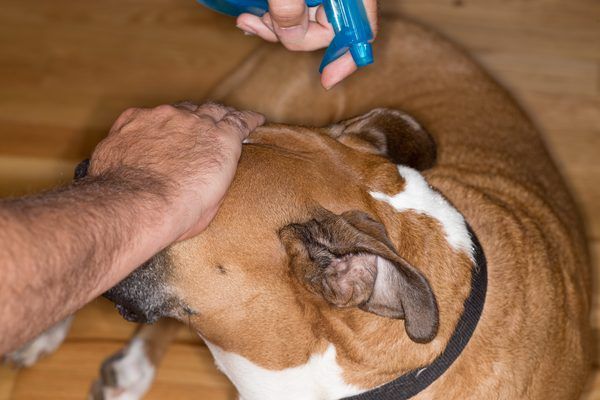
- Topical Sprays: Convenient for direct application to the coat and exposed skin
- Collars with Repellent: Provide long-lasting protection over several weeks
- Shampoos and Wipes: Help remove attractants and leave a gentle protective layer
- Natural Plant-Based Repellents: Use botanical oils like citronella, neem and geranium that can be effective with fewer synthetic chemicals (always check dog safety first)
Selecting a product clearly labelled for dogs is important to avoid skin irritation or toxicity.
Can Natural Repellents Be Effective?
Many pet owners prefer natural or plant-based repellents to reduce exposure to synthetic chemicals. Ingredients such as citronella, lemongrass, geranium and neem oil are commonly used and can be helpful when combined with good overall fly management practices. However, natural products may require more frequent application and effectiveness can vary. Always confirm suitability for your dog’s age, size and coat type.
How Should Fly Repellent Be Applied?
Guidelines vary by product, but general safety tips include:
- Apply only as directed on the label
- Avoid contact with eyes, mouth and open wounds
- Do not use products intended for other animals (e.g., livestock or horses)
- Wash hands after application
- Reapply according to recommended intervals, especially after swimming or bathing
Using repellents in conjunction with environmental controls (like fans, screens and waste management) enhances overall effectiveness.
Are There Precautions to Consider?
Yes — even dog-specific repellents can cause sensitivity in some pets. Watch for:
- Redness or irritation at application sites
- Excessive scratching or licking
- Respiratory discomfort after use
If any unusual symptoms occur, discontinue use and consult your veterinarian. Always inform your vet about existing health conditions or medications your dog is taking before introducing a new repellent.
Conclusion
Choosing the right fly repellent for dogs helps keep your pet comfortable, healthy and free from the nuisance of biting insects. With options ranging from sprays to collars and natural formulas, there are solutions for a wide range of preferences and lifestyles. Always prioritise dog-safe products, follow application instructions carefully and consider environmental measures for the best protection against flies — so your dog can enjoy the outdoors without irritation.

Always remember detecting the ticks is very difficult.
These bites do not usually itch; so until you see the ticks, you won’t be able to know if your dog has been bitten or not.
So that is why it is essential to look out for your dog for the tick.
And if you find any one of them, quickly use essential oil insect repellent or essential oil mosquito repellent and you do not have to stress much about buying the best natural mosquito repellent because Nantucket Spider is the best mosquito repellent spray suppliers in the USA who can provide you with reputable and effective products.