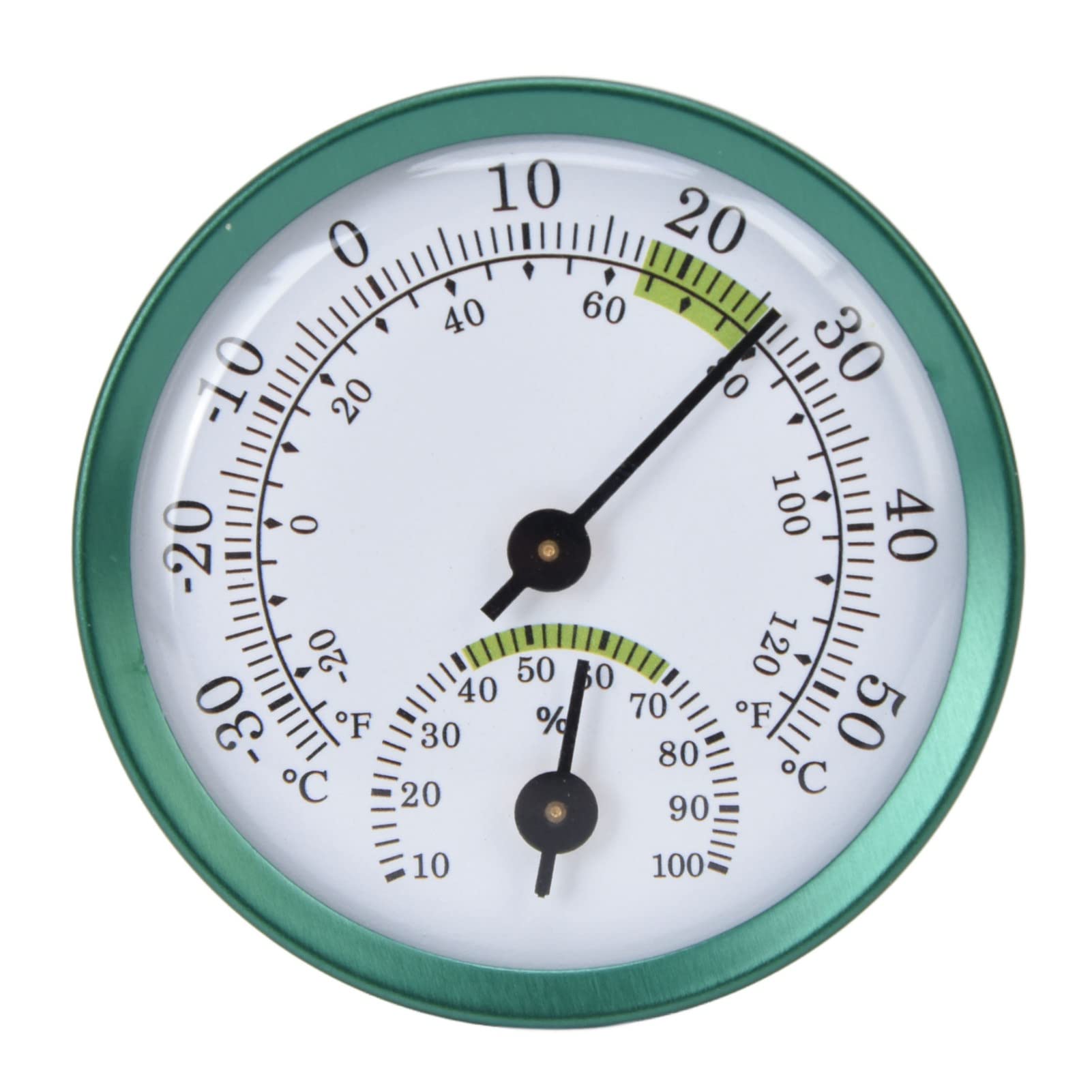
Introduction to the Role of Hygrometers
Hygrometers are scientific instruments designed to measure the humidity or water vapor content in the air. They serve a vital role in environments where maintaining specific moisture levels is essential. Whether it's preserving delicate artwork or controlling temperature and air quality in production areas, hygrometers help users maintain precise environmental conditions.
Humidity affects everything from health and comfort to product durability and equipment longevity. By accurately measuring humidity, hygrometers enable better control of environmental variables in both indoor and outdoor settings.
What Are the Different Types of Hygrometers?
There are several types of hygrometers, each utilizing different scientific principles to determine humidity levels. Depending on the application, one type may be more suitable than another.
Commonly Used Hygrometer Technologies
- Mechanical Hygrometers: Often found in analog models, these use materials like hair or synthetic fibers that expand or contract with changes in moisture.
- Digital Hygrometers: Feature electronic sensors to measure humidity and typically display results on an LCD screen.
- Dew Point Hygrometers: Measure the temperature at which moisture begins to condense, which provides insight into absolute humidity.
- Psychrometers: Use two thermometers, one dry and one wet, to calculate humidity based on evaporative cooling.
- Capacitive Hygrometers: Use a humidity-sensitive polymer to detect changes in capacitance as moisture levels fluctuate.
- Resistive Hygrometers: Detect variations in electrical resistance to determine humidity levels.
Each type offers specific benefits in terms of accuracy, cost, and suitability for dynamic or static environments.
What Makes Hygrometers Essential in So Many Applications?
Hygrometers are used in a wide variety of industries and environments. Their ability to monitor humidity makes them crucial tools in sectors where even slight moisture deviations can impact quality, safety, or health.
Popular Applications for Hygrometers
- Warehousing and Storage: Help protect items like paper, wood, and electronics from moisture-related damage.
- Data Centres: Prevent static discharge and overheating by controlling humidity.
- Pharmaceutical Labs: Ensure that medicine production and storage meet strict environmental regulations.
- Greenhouses: Support plant health and growth by maintaining optimal humidity.
- Food Processing: Help prevent spoilage and ensure consistent quality during production and packaging.
- Hospitals and Clinics: Maintain clean air and prevent the spread of airborne pathogens in sensitive areas.
- Residential Settings: Improve comfort and prevent mould or dampness in homes.
Hygrometers provide real-time data that allows for timely corrective actions, which is vital in these scenarios.
Why Is Monitoring Humidity So Important?
Humidity affects more than just comfort. It directly influences health, structural integrity, and industrial processes. High humidity can promote the growth of bacteria, mould, and mildew, while low humidity may lead to dryness, static buildup, and respiratory discomfort.
Consistent monitoring ensures:
- Prevention of mould and fungal infestations
- Improved respiratory comfort for occupants
- Safe handling and operation of sensitive electronic devices
- Preservation of perishable goods and materials
- Enhanced performance of climate control systems
By ensuring the air holds the right amount of moisture, hygrometers contribute to overall environmental stability and reliability.
What Features Should a Modern Hygrometer Offer?
Technological advancements have equipped modern hygrometers with a wide array of features to suit diverse needs. Whether used in industrial or home applications, modern devices are designed for ease of use, precision, and connectivity.
Key Features to Consider
- High-Accuracy Sensors: Ensure minimal deviation from actual humidity values.
- Digital Displays: Show humidity and temperature data clearly.
- Built-In Alarms: Alert users when values exceed or drop below preset thresholds.
- Portable or Wall-Mounted Designs: Offer flexibility depending on the usage environment.
- Data Logging and Memory Storage: Help track trends and generate reports over time.
- Remote Monitoring Capabilities: Enable humidity tracking from smartphones or computers.
- Combined Measurement: Measure both humidity and temperature for a more complete environmental analysis.
These features allow users to respond quickly to environmental changes and make informed decisions based on accurate data.
How to Properly Install and Maintain a Hygrometer
Correct installation and routine maintenance ensure accurate and long-term operation of any hygrometer. Placement plays a major role in its performance, and regular upkeep helps maintain its sensitivity and precision.
Best Practices for Installation and Care
- Position the device away from vents, windows, or heat sources for reliable readings.
- Ensure good air circulation around the device without obstruction.
- Calibrate the device periodically using salt tests or standard humidity references.
- Keep the sensor clean and free of dust, especially in industrial settings.
- Check for software updates or recalibration requirements on digital models.
- Replace batteries regularly in portable models to prevent power failures.
Following these practices will maintain measurement consistency and extend the life of the device.
How Are Hygrometers Evolving With Smart Technologies?
Modern hygrometers are increasingly integrated into larger smart monitoring and automation systems. Their real-time data contributes to more responsive climate control, predictive maintenance, and optimized resource use.
For example, in smart homes, hygrometers work alongside thermostats and ventilation systems to maintain ideal indoor conditions. In industrial settings, they provide critical input to automated systems that adjust air flow, cooling, or humidification.
These integrations make it easier to maintain consistent conditions while saving energy and reducing operational costs.
Conclusion
Hygrometers are indispensable tools for measuring and managing humidity across countless environments. They support healthier indoor air, safer storage conditions, and more efficient industrial processes. With ongoing improvements in accuracy, portability, and connectivity, modern hygrometers offer greater control and insight than ever before.
Whether you're overseeing a manufacturing line, running a laboratory, or maintaining a comfortable home environment, a reliable hygrometer provides the critical data needed to make smart, informed decisions.

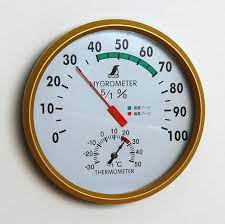
The global Hygrometers Market report offers a comprehensive assessment of the market for the forecast years.
These factors encompass the drivers, restraints, and opportunities.
This globe industry offers an outlook on the strategic development of the market in terms of revenue profits over the forecast period 2021-2026.The key market players for the global Hygrometers market are listed below: GE Measurement & Control Auxilab PCE Instruments Vaisala Alpha Moisture Systems MICHELL INSTRUMENTS Ceramic Instruments Airblast Messtechnik Schaller Buck Research Instruments Galltec OthersClick here to get a FREE Sample Copy of the Hygrometers Market Research Report @ https://www.decisiondatabases.com/contact/download-sample-2647The Global Hygrometers Market Report is equipped with market data from 2016 to 2026.
The detailed sales channel is also covered in the study.COVID-19 Impact Analysis on Hygrometers MarketThe global pandemic COVID-19 has affected the Hygrometers market directly or indirectly.
The detailed study highlights the probable outcomes of this global crisis on the Hygrometers industry.
The impact study on production, supply-demand, and sales provides a holistic approach to the future.Do You Have Any Query Or Report Customization?