


For truck owners, a bed cover is more than just an accessory—it protects cargo, enhances security, and can even improve fuel efficiency. With so many types of bed covers available, understanding how to evaluate their features is essential for making a decision that balances durability, functionality, and convenience. Careful comparison ensures that your investment aligns with your storage needs and lifestyle.
Understanding Bed Covers
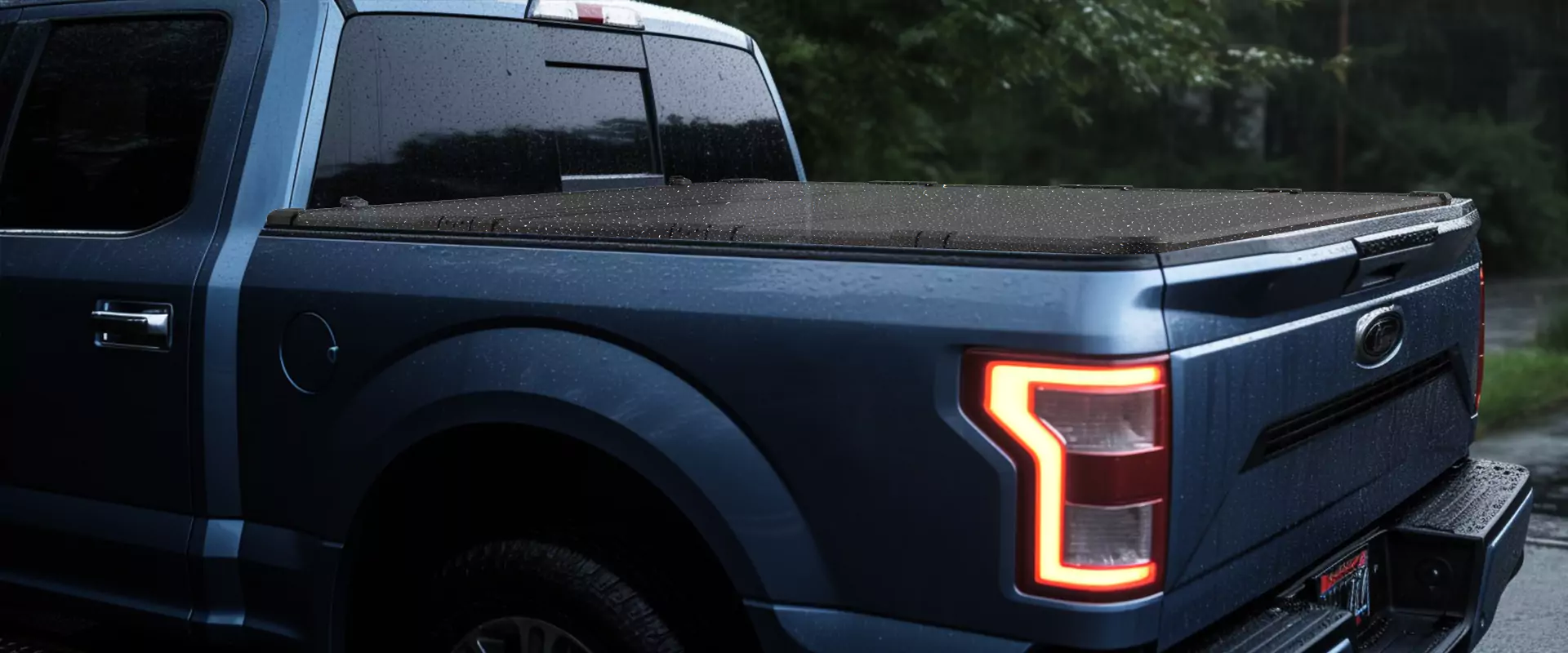
Bed covers, also known as tonneau covers, are designed to enclose the bed of a pickup truck. They range from soft vinyl covers to rigid folding or retractable models. Each type offers distinct advantages, but differences in material, design, and functionality can influence which option best suits your vehicle and usage.
Key Factors to Consider
1. Material and Durability
The material of a bed cover impacts both its longevity and protective qualities. Soft covers, typically made from vinyl or canvas, are lightweight and easy to operate. They offer flexibility and a lower cost but may require more frequent maintenance. Hard covers, made from aluminum, fiberglass, or composite materials, provide enhanced security and weather resistance. Evaluating material quality helps determine whether the cover will withstand harsh weather, heavy use, and long-term wear.
2. Style and Operation
Bed covers come in multiple styles, including roll-up, tri-fold, retractable, and hinged designs. Roll-up covers are compact and convenient for occasional access, while tri-fold or retractable models offer easy access to larger cargo without removing the cover entirely. Understanding how each style operates is essential to ensure it fits your daily workflow and cargo handling needs.
3. Weather and Security Features
Protection from rain, snow, and dust is a primary purpose of a bed cover. Seals, water-resistant fabrics, and overlapping panels prevent water from entering the truck bed. Security is another critical factor—hard covers often include locking mechanisms, while some soft covers offer reinforced rails and tailgate locks. These features determine how well the cover safeguards valuable items stored in the bed.
4. Fit and Compatibility
A proper fit is essential for both functionality and aesthetics. Covers that are too loose may flap or allow water ingress, while improper alignment can complicate installation. Checking compatibility with your truck’s make, model, and bed size ensures a seamless fit.
5. Maintenance and Longevity
Soft covers require occasional cleaning and treatment with protectants to prevent cracking or fading. Hard covers may need less frequent maintenance but benefit from periodic cleaning and inspection to preserve seals and hinges. Considering ease of maintenance helps prolong the life of your bed cover.
Practical Examples
For example, a contractor who transports tools and equipment daily may benefit from a rigid bed cover with locking capabilities. This ensures that items remain secure and protected from the elements. Conversely, a recreational user who occasionally hauls camping gear might prefer a soft roll-up cover that allows quick access and can be folded out of the way when carrying oversized cargo.
Benefits and Limitations
The main benefits of selecting the right bed cover include cargo protection, improved security, and a cleaner truck bed that is easier to maintain. Additionally, some covers improve aerodynamics, potentially enhancing fuel efficiency.
Limitations vary by type. Soft covers may offer less security and durability, while hard covers tend to be heavier and more expensive. Some designs require professional installation, while others may restrict bed height or make access to certain cargo types more difficult. Understanding these trade-offs ensures a cover that meets both immediate and future needs.
Common Questions
Can all bed covers be used with truck racks?
Some models, particularly low-profile soft covers, can be compatible with ladder or roof racks, but verifying specifications is essential.
How do I choose between soft and hard covers?
Consider your primary usage, budget, and desired security level. Soft covers are flexible and cost-effective, while hard covers provide maximum protection and durability.
Are bed covers easy to install?
Many modern covers are designed for straightforward, no-drill installation. Harder materials may require additional steps, but most can be installed with basic tools.
Conclusion
Evaluating features when comparing different types of bed covers ensures that you select a solution tailored to your truck and usage patterns. Considering material, style, security, fit, and maintenance helps balance convenience, protection, and longevity. By taking the time to assess these factors, truck owners can make an informed decision that preserves cargo, enhances usability, and maximizes the value of their investment.


When you are travelling with a family or in a larger group then this rental can give a lot of things Christchurch accommodation.
Can make a lot of difference and gives a relaxing shape also spent under the bed cover.
They also have a different kitchen and laundry facilities so you can enjoy your own space.
If you’re travelling with a group of what do you want to enjoy each other’s company and shared accommodation.