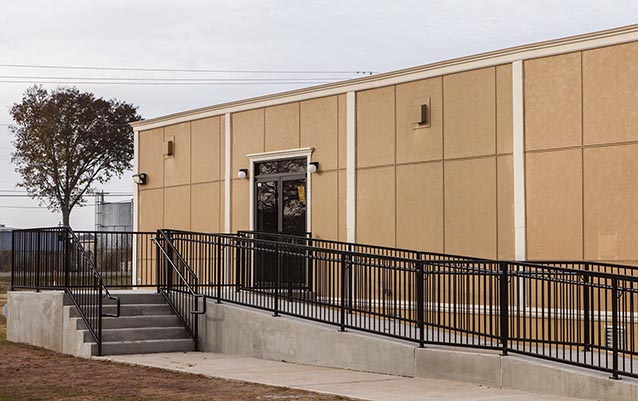
Portable buildings have evolved well beyond simple backyard sheds. Today, they serve as workshops, equipment storage units, small offices, and even hobby spaces. With so many portable buildings for sale, buyers face an important question: how can you tell which structures are built to last?
A portable building may look sturdy at first glance, but durability depends on more than appearance. Construction methods, material quality, weather resistance, and site preparation all influence long-term performance. Understanding what to examine before purchasing can help you make a confident and informed decision.
Start with the Structural Framework
The strength of any portable building begins with its frame. Framing supports the roof, walls, and flooring while resisting wind and shifting ground conditions. Even though these buildings are movable, they must perform like permanent structures once in place.
Inspect the floor system carefully. A durable building should include reinforced joists and moisture-resistant flooring materials. Walk across the interior surface to check for flexing or uneven areas. Weak flooring can lead to sagging over time, especially when storing heavy equipment.
Wall framing deserves equal scrutiny. Look for consistent stud spacing and secure fastening at corners. The structure should feel solid when you open and close the door. Any noticeable shifting or instability may signal compromised construction.
Roofing and Weather Resistance
The roof protects everything inside. In regions with heavy rainfall or seasonal snow, roof design becomes even more critical. A properly pitched roof promotes water runoff and reduces the risk of pooling, which can weaken materials over time.
Shingle roofs often blend well with residential properties and provide reliable protection when installed correctly. Metal roofing, on the other hand, offers durability and reduced maintenance in humid climates. Regardless of material, inspect seams, flashing, and ridge caps. These small details often determine whether moisture remains outside where it belongs.
Ventilation is another factor frequently overlooked. Proper airflow helps reduce condensation, particularly in climates with fluctuating temperatures. Without ventilation, trapped moisture can damage tools, stored belongings, or interior finishes.
Exterior Materials and Finishing
Portable buildings are typically constructed from wood, metal, or engineered siding materials. Each option has advantages and trade-offs.
Wood offers natural insulation and a traditional appearance, but it requires ongoing maintenance such as sealing or painting. When evaluating wood siding, check for cracks, peeling finishes, or early signs of rot near the base.
Metal siding resists pests and can withstand harsh weather conditions, though it may be susceptible to rust if protective coatings are compromised. Inspect panels for dents, corrosion, or loose fasteners.
Pay attention to trim work and caulking around doors and windows. Gaps in these areas often allow water infiltration, which gradually affects structural integrity.
Door Strength and Security
Doors are high-traffic components that experience repeated stress. Hinges should feel solid and aligned properly. The door frame must remain square, with no visible gaps when closed. Reinforced locking hardware adds security, especially if valuable equipment will be stored inside.
A well-built door is a strong indicator of overall craftsmanship. If the door feels lightweight or misaligned, other areas of construction may have been rushed.
Foundation and Placement Considerations
Even high-quality portable buildings for sale can deteriorate prematurely if placed on unstable ground. A level gravel pad or concrete base improves drainage and prevents uneven settling. Without proper preparation, doors may shift out of alignment and floors may warp.
Consider the terrain of your property before purchase. Sloped or soft soil areas may require additional groundwork. Investing in site preparation protects the structure over the long term.
Evaluating Preowned Options
Some buyers compare new inventory with refurbished or preowned units. Reviewing options similar to preowned sheds Lynchburg VA can provide insight into how well certain models hold up over time. A properly maintained preowned structure often reveals the durability of its original build quality.
When considering preowned buildings, inspect roofing condition, flooring stability, and framing integrity just as carefully as you would with a new model. Cosmetic wear is common, but structural strength is essential.
Balancing Cost and Longevity
Price alone should not drive your decision. A lower-cost building constructed with thin materials or minimal reinforcement may require repairs sooner than expected. Conversely, investing in higher-grade materials and solid framing can reduce maintenance expenses over the years.
Portable buildings offer flexibility and convenience, but durability determines long-term value. By examining structural components, roofing systems, exterior materials, and site placement, you can identify a building that performs reliably in changing weather conditions.
A careful evaluation ensures that the structure you choose provides secure, weather-resistant storage for years to come.

Portable Guard Buildings | GuardBuildings was started in 1990 as an industrial modular building design and sales company; it quickly rose to a top performer within the Industry, with a customer base composed primarily of Fortune 500 Companies.
We remained loyal to our manufacturer until their demise in 2000.
Unable to find a competent and qualified manufactures to replace them we became a manufacturer ourselves.
In 2005, I acquired the Company with the intent of making it a world-renowned industry leader.
My first goals were to produce a guard building, also known as a guard shack, that would meet all building codes, including the Miami-Dade High Velocity Wind Zone requirements.
These are the toughest building codes in the Country.