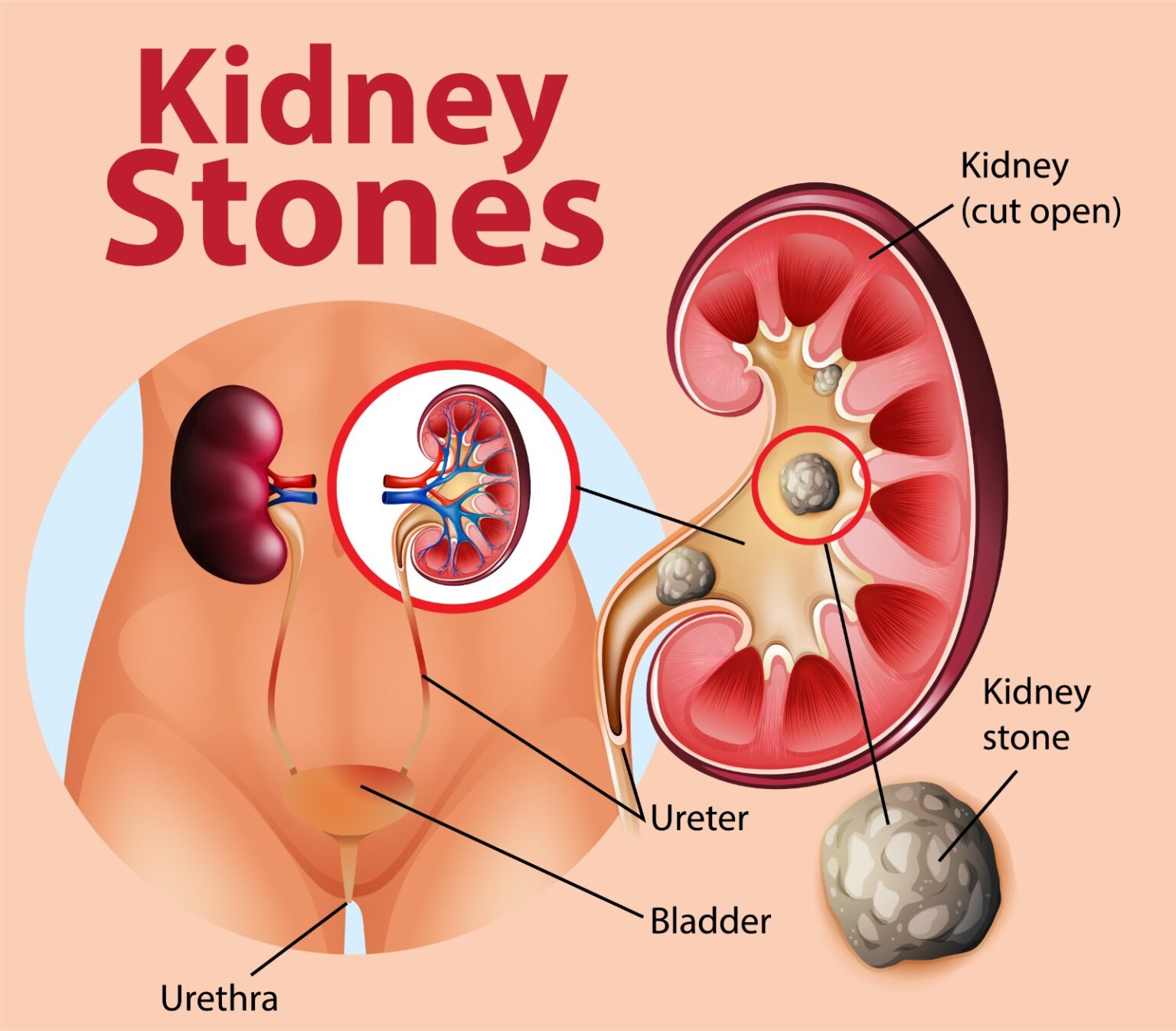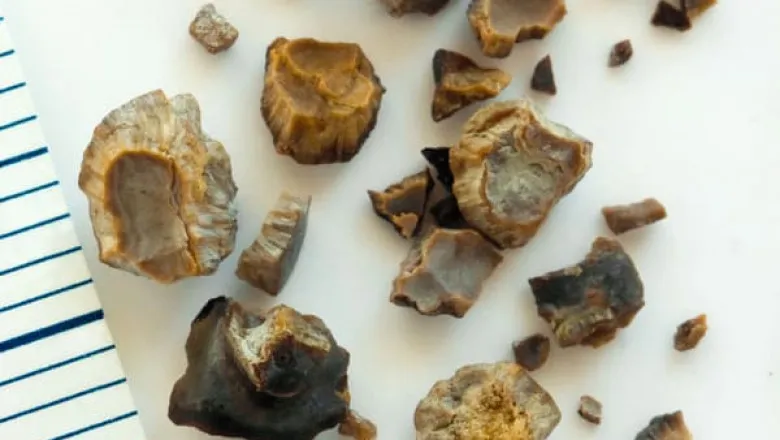
Kidney stones and gallstones are two different types of health conditions in which hardened substances deposit in both organs in the form of stones. These conditions are very common worldwide and completely curable with medications and surgery. Due to various reasons, some substances start accumulating in the gallbladder and harden, known as gallstones. Similarly, minerals and other substances deposit in the urinary tract or kidneys, known as kidney stones. In both conditions, a medical test such as an ultrasound and color doppler is required to diagnose stones.
—Kidney Stones—
Kidneys are vital organs in the human body that filter liquid and blood. During this process, some minerals and salts start crystallizing and form stone-like structures stuck in the kidney. These are known as stones that do not pass through the urinary tract.
Hard, crystal-like deposits formed in the kidneys
Made from minerals and salts such as calcium, oxalate, and uric acid
Develop when urine becomes highly concentrated
Can vary in size from tiny grains to large stones
May stay in the kidney or move into the urinary tract
Causes of Kidney Stones
Low water intake and dehydration
High salt and protein consumption
Excess calcium or uric acid in urine
Obesity and sedentary lifestyle
Certain medical conditions and medications
Symptoms of Kidney Stones
Severe pain in the lower back or side
Pain that radiates to the abdomen or groin
Burning sensation during urination
Blood in urine
Nausea, vomiting, and frequent urination
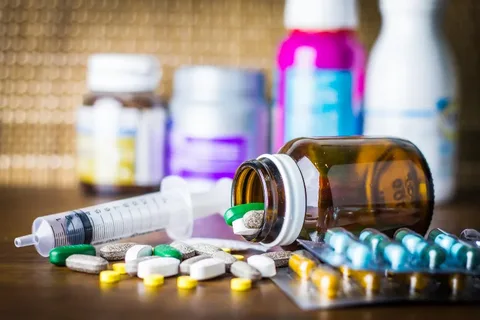
Kidney stones can be cured by medicines that dissolve hardened deposits and allow them to pass through urine. However, larger stones require removal through a surgical process, which is very short and common.
—Gallstones—
Gallstones are hardened deposits that form in the gallbladder, a small organ located beneath the liver. The gallbladder stores bile, a digestive fluid that helps break down fats. Gallstones usually develop when bile contains too much cholesterol or bilirubin, or when the gallbladder does not empty properly.
Solid deposits formed in the gallbladder
Gallbladder stores bile used for fat digestion
Stones are usually made of cholesterol or bilirubin
Can be small like sand or large like a pebble
Often remain silent without symptoms
Causes of Gallstones
Excess cholesterol in bile
Poor gallbladder emptying
Obesity or rapid weight loss
High-fat and low-fiber diet
Pregnancy and hormonal changes
Symptoms of Gallstones
Sudden pain in the upper right abdomen
Pain between the shoulder blades
Pain after eating fatty foods
Nausea and vomiting
Bloating and indigestion
Key Differences Between Kidney Stones and Gallstones
Kidney and gallstones are two distinct health conditions, with their only similarity being the formation of stones. However, both conditions have different causes, symptoms, and treatment options.
Kidney stones affect the urinary system
Gallstones affect the digestive system
Kidney stones are linked to dehydration
Gallstones are linked to cholesterol imbalance
Pain location differs in both conditions
Prevention Tips
Both these conditions are completely preventable, and they are:
Drink plenty of water daily
Limit salt and fatty food intake
Maintain a healthy body weight
Eat a balanced, fiber-rich diet
Seek medical advice for early symptoms
Conclusion
Both kidney and gallstones require long-term treatment and medication. As these conditions are very common, the medicines that treat them have extremely high sales and demand in India. Companies like Sanes Pharmaceuticals manufacture a complete range of medicines that treat stones. If you are looking for business opportunities with such medicines, join us and avail franchise business opportunities.