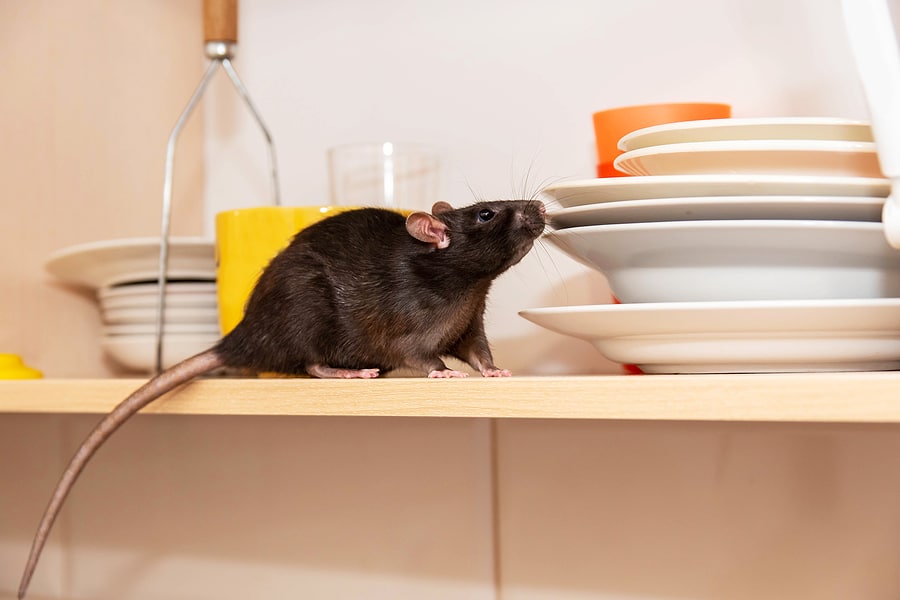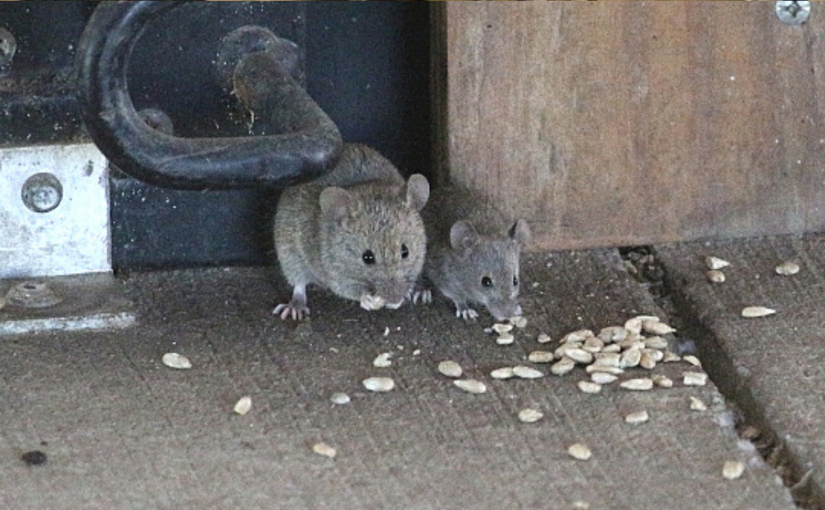
One of the most ignored threats to residential and commercial property has been rodent activity due to the damage, which is usually built up behind the scenes. One mouse or rat can silently transform wall cavities, ceiling, and storage areas into nesting habitats without raising the eyebrows of other members. Although initially the symptoms might be insignificant, rodent activity left untreated may lead to a chain reaction of structural, electrical, and health-related issues, which grow more serious as time passes and cause costly damage.
Why Rodents Settle Inside Buildings
Rodents are protection seekers, warm-blooded, and good food. The three are naturally provided by buildings. Rodents can enter through small holes around the foundations, roof lines, utility pipes, vents, and garage doors. Once indoors, they like dark and undetected spaces like attics, basements, crawl spaces, and wall cavities.
Due to the high adaptability of rodents, they build nesting homes rapidly and make secret routes. Such paths enable them to navigate all through the structure without notice, hence infestations tend to spread before the owners of the property notice the magnitude of the issue.
Progressive Structural Damage Over Time
One of the most serious long-term consequences of rodent infestations is structural deterioration. Rodents must gnaw continuously to control the growth of their teeth. As a result, wooden framing, drywall, subfloors, and even concrete edges become targets.
Over time, this gnawing weakens critical components of the building. Floorboards may soften, wall supports can become compromised, and ceiling materials may begin to sag. In severe cases, prolonged rodent damage can affect load-bearing areas, leading to increased repair costs and safety concerns.
Electrical System Destruction and Fire Hazards
Electrical damage is among the most severe consequences of an ongoing rodent presence. Rodents frequently chew through wire insulation, leaving exposed wiring hidden behind walls or ceilings. This creates a high risk of short circuits, power interruptions, and electrical fires.
Because these issues are concealed, they often go unnoticed until lights fail, breakers trip repeatedly, or a fire occurs. Repairing electrical systems damaged by rodents typically requires opening walls and replacing entire wiring sections rather than simple fixes.
Insulation Breakdown and Energy Loss
Attics and wall insulation are common nesting areas for rodents. As they burrow and build nests, insulation becomes compacted, torn, and contaminated with droppings and urine. This significantly reduces its ability to regulate indoor temperatures.
Damaged insulation leads to uneven heating and cooling, increased energy bills, and uncomfortable living or working conditions. Moisture retention caused by compromised insulation can also encourage mold growth, creating additional risks and repair needs.
Indoor Air Quality and Health Concerns
Rodents contribute heavily to indoor contamination. Droppings, urine trails, nesting debris, and shed fur accumulate over time, especially in enclosed spaces. These materials can break down and circulate through ventilation systems, affecting indoor air quality.
Long-term exposure to rodent waste has been linked to respiratory irritation, allergic reactions, and bacterial spread. In storage areas and kitchens, rodents can contaminate food supplies and surfaces, creating ongoing sanitation concerns that worsen the longer the infestation remains unresolved.
Plumbing Damage and Moisture Problems
Rodents do not limit their chewing to dry materials. Plastic plumbing pipes, flexible water lines, and drainage components are also vulnerable. A single bite can create slow leaks behind walls or under floors that remain undetected for months.
These hidden leaks contribute to water damage, wood rot, and mold development. Moist environments further attract rodents and other pests, increasing the severity of the infestation and accelerating property deterioration.
Damage to Stored Items and Interior Finishes
Beyond structural systems, rodents cause extensive damage to personal and commercial property. Stored furniture, clothing, packaging, documents, and insulation materials are frequently destroyed by gnawing and nesting behavior.
Interior finishes such as baseboards, cabinetry, and flooring may show bite marks and staining. Once rodents establish nesting zones, odors from waste buildup can linger and penetrate porous materials, making restoration difficult even after the infestation is removed.
Impact on Property Value and Long-Term Costs
Properties affected by prolonged rodent infestations often suffer reduced market value. Home inspections commonly reveal signs such as chewed wiring, droppings, damaged insulation, and patched entry points. These findings raise red flags for buyers and investors.
Additionally, many insurance policies limit coverage for damage caused by rodents, especially when the issue develops over time. This places the financial burden of repairs squarely on the property owner, increasing long-term ownership costs.
Why Delayed Action Makes Damage Worse
Rodents reproduce rapidly. A small problem can turn into a large infestation within a short period. The longer rodents remain inside a structure, the deeper their nesting networks become and the more widespread the damage grows.
Early intervention limits destruction and reduces the need for major repairs. Sealing entry points, addressing sanitation issues, and monitoring high-risk areas are critical steps in preventing escalation.
Conclusion
Untreated rodent activity is not just a nuisance but a serious threat to the integrity and safety of any property. From structural weakening and electrical hazards to health risks and financial losses, the long-term consequences continue to multiply over time. Addressing rodent activity earlywith the help of ASM Pest Exterminator is the most effective way to protect property value, reduce repair costs, and maintain a safe indoor environment.