




Digital intelligence is entering everyday fleet operations, and the transport and logistics industry is on a transformative journey. Cars are no longer dumb metallic assets; instead, they are smart data silos on wheels, constantly connected to big central servers. Sitting at the centre of this development are telematics service providers whose services help to turn raw vehicle data into useful operational knowledge for businesses.
There is ever-increasing pressure on contemporary fleets to become leaner, meaner, and safer to comply with tightened regulations. Fuel prices, driver supply, and increasingly strict emissions requirements alike require greater tracking of vehicle utilization. Telematics service providers solve these problems by monitoring speed, fuel load, engine health, braking habits, and idling in real time. As this continuous feed of data pours in, fleet managers can spot inefficiencies that would otherwise go unnoticed.
One of the biggest benefits of using telematics is enhanced security. Managers can identify risky behavior (such as hard braking or excessive speeding) within driving patterns and eliminate it with focused training. Eventually, this data-rich feedback loop leads to fewer accidents, lower insurance claims, and better adherence to safety norms. The result is not just savings but also better protection for drivers and the public.
The maintenance processes have meanwhile changed through telematics as well. Fleets can no longer be forced to accept fixed service intervals; they can move to predictive maintenance based on actual vehicle condition. Notifications about engine health or component wear can help avoid unplanned breakdowns. Fleets that partner with their telematics service providers on a long-term basis can also become more proactive, minimizing downtime and extending vehicle life.
Another important advantage is operational transparency. Real-time tracking and route analytics give dispatchers greater visibility into the progress of their deliveries and potential impediments. This intelligence enables better scheduling and more informed communication with customers. In a competitive market, that type of reliability can make the difference in retaining customers and upholding your brand image.
In addition to workaday operations, telematics data is a boon for strategizing. Historical data shows fuel-economy trends, route effectiveness, and asset utilization, helping with proposed fleet expansion (or consolidation), vehicle replacement, and service re-routing. As technology evolves, telematics service providers continue to incorporate artificial intelligence and sophisticated analytics into this data, yielding insights that are increasingly accurate, real-time, and predictive.
Telematics is no longer a “nice to have,” but a core competency as fleets continue to modernize. By investing in these connected systems, businesses can put themselves on a path to resilience in an industry increasingly defined by data, automation, and accountability. By continuing to innovate, Telematics Service Providers continue to play a fundamental role in developing more intelligent, safer, and sustainable transport networks.
Brian Styris is the author of this article. For more details about, Solutions For Fleets. please visit our website: etrucks.com.



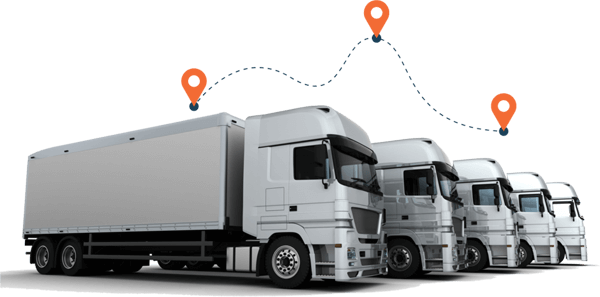
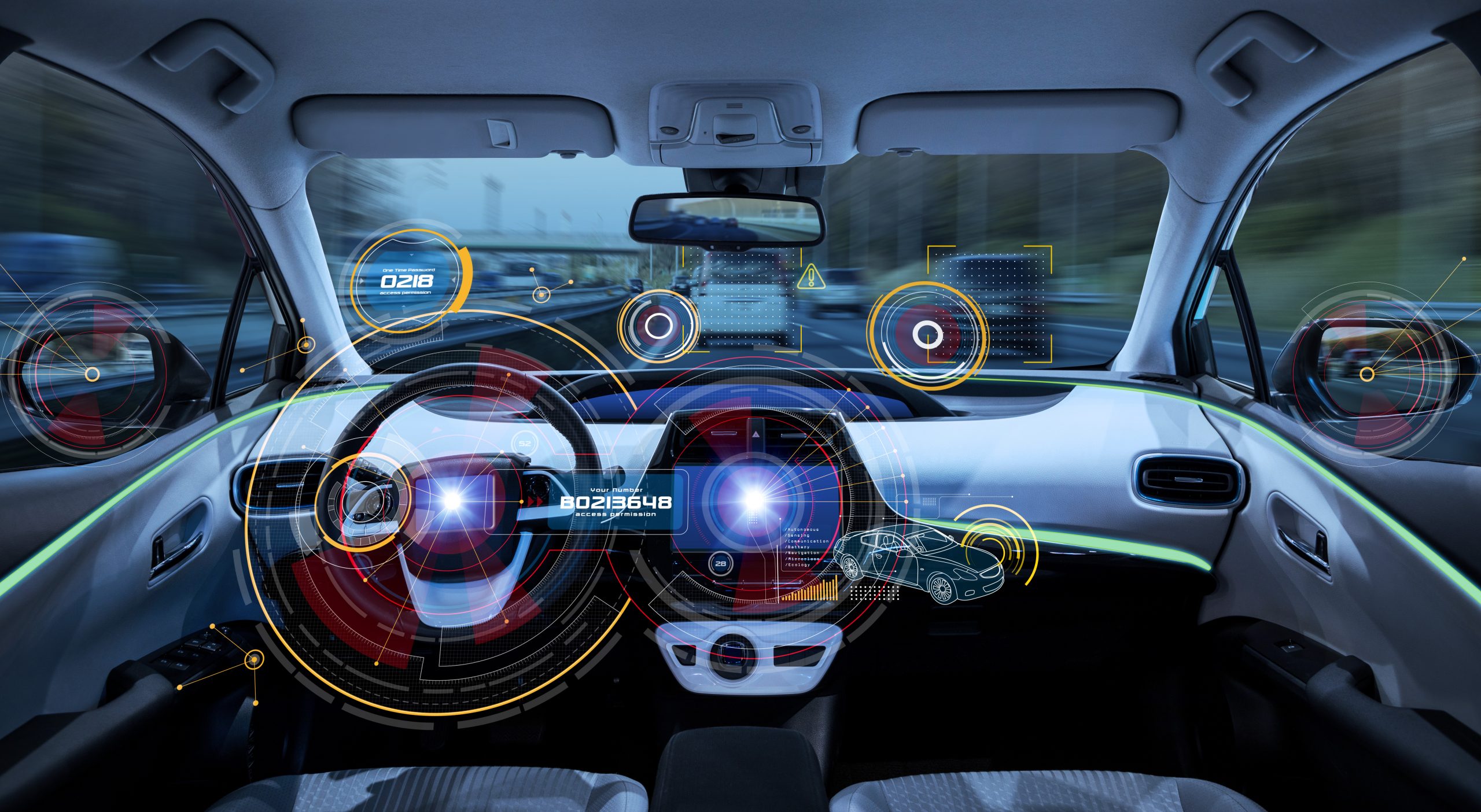
A good fleet management solution helps you drive improvement, eliminate risks and monitor fleets in a very effective manner.
We understand that the solutions in question are directly linked to productivity, operational excellence, and company policy compliance.
So, here are some of the major factors to consider before you purchase the best fleet management platform for your business:● Policy ComplianceThe right fleet management solution will meet all the minimum compliance requirements for IFTA, DVIR, ELD, and more.
The solution shall also be future proof and constant updates and tweaks need to be implemented to meet the changing business needs and maximize effectiveness.● Safety & Driver Behavior MonitoringWhen evaluating your fleet management solution “fleet safety” is key, a solution with a focus on driver behavior tracking and real-time alerts in unusual events is always the best to opt for.
Additionally, some of the top fleet management solution providers, like Tangerine, provide tailored training programs that help businesses train their employees for effective management.● Efficient Fleet OperationsModern telematics provides companies with the intelligence to run more efficient fleet operations.
Tangerine’s fleet management platform provides insightful reports on driver behavior monitoring.