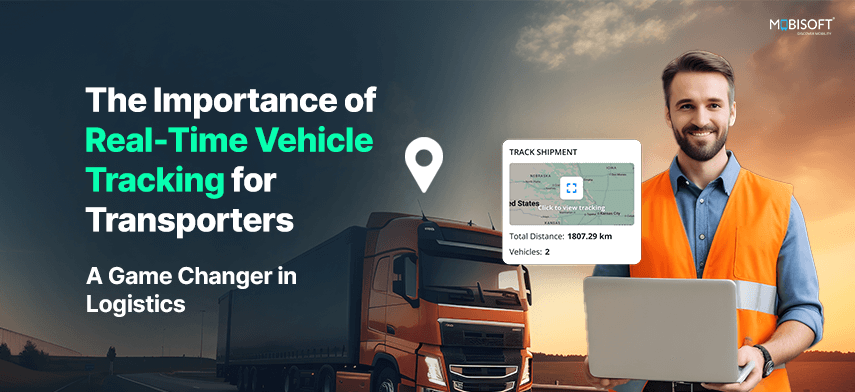


Transportation and logistics businesses must have full visibility of their vehicles to function well. As supply chains become increasingly complex and customer expectations soar, digital monitoring tools have emerged as essential. Fleet tracking is among the technologies that facilitate this transition, enabling organizations to track vehicle activities, plan effective routes, and control operations.
Fleet tracking basically means the use of GPS technology and communication networks to determine the real-time position or trajectory of a vehicle. Devices fitted in trucks, vans, or service vehicles transmit real-time data to centralized software systems. Fleet managers can then monitor vehicle movements, route statuses, and travel histories through dashboards or mobile apps. This level of visibility also facilitates delivery coordination and allows for a faster response in case of unexpected delays.
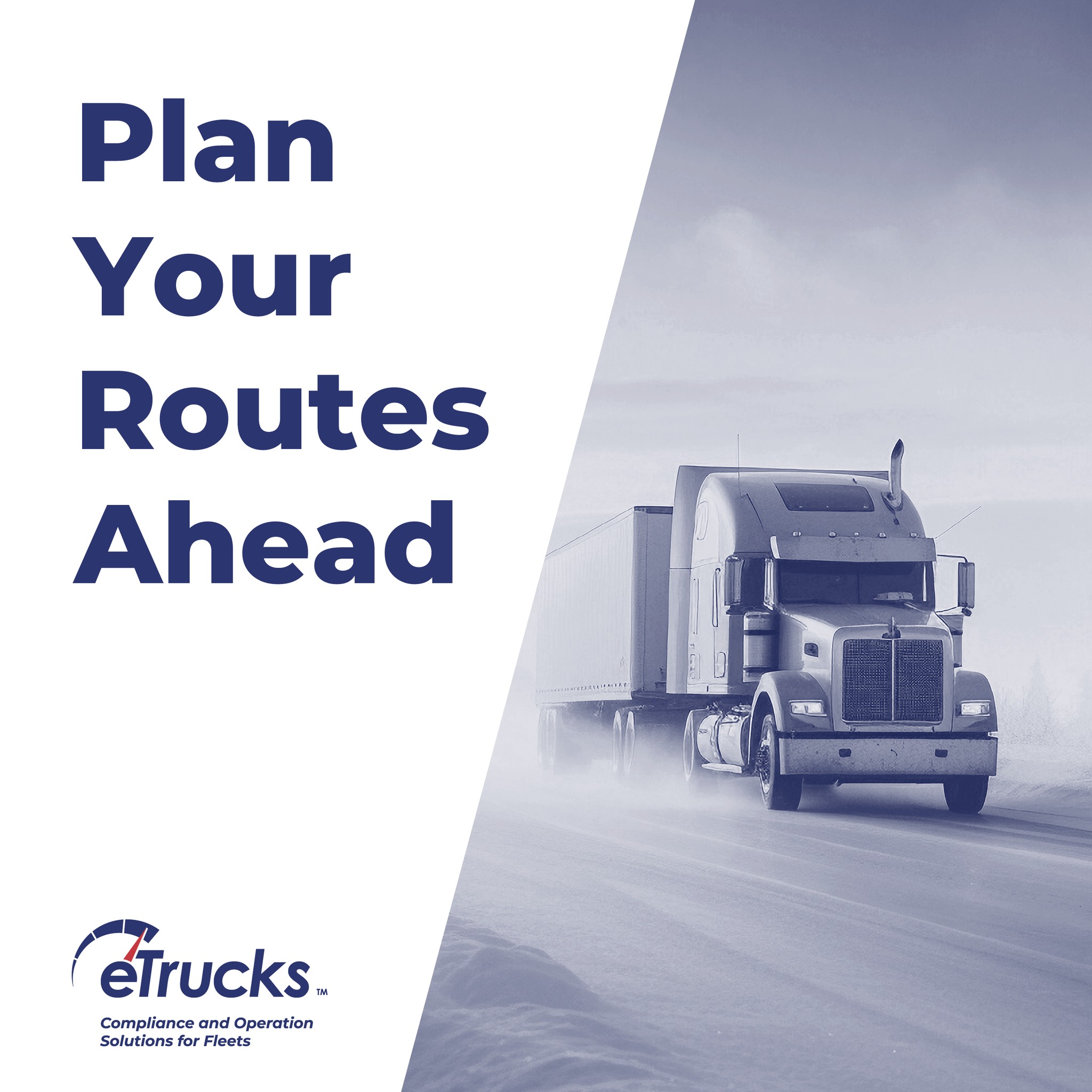
One of the biggest advantages of tracking technology is operational efficiency. Companies typically waste time and fuel idling, as well as inefficient routing. Fleet tracking helps managers view the routes at a glance and look for opportunities to minimize distance traveled and fuel consumption. More efficient scheduling and shorter routes enable increased productivity for the entire fleet, not only reducing operational costs.
Improved driver accountability is another key benefit of this technology. Monitoring the patterns of driving habits helps them recognize behaviors like speeding excessively, hard braking, or long idle times. This helps organizations to implement new driving practices and training programs. In the long run, safer driving will also result in fewer accidents and maintenance costs along with prolonged vehicle usage.
The impact of real-time tracking capabilities can also be seen in customer service. Businesses can offer more precise delivery updates and estimated arrival times. When clients have an exact timeline for shipments or service visits, trust and satisfaction skyrocket. Fleet managers utilizing fleet tracking in operations can respond and reshape schedules quickly in case of traffic congestion, road closures, or mechanical failure.
This also results in more efficient maintenance planning. Tracking systems log mileage and engine activity, enabling organizations to schedule routine inspections and servicing. Instead of focusing on rigid maintenance schedules, organizations may leverage data-driven insights to resolve wear and tear before major difficulties arise because preventive maintenance reduces downtime and keeps the wheels turning safely on the road.
Tracking systems also provide value in promoting environmental sustainability. Businesses can reduce their fuel consumption and carbon emissions through route optimization and minimizing unnecessary idling. Fleet tracking is now used by many organizations as part of their larger sustainability strategies to help reduce environmental impact.
The trend will continue as logistics keeps evolving, making visibility and data-driven decision-making important factors for successful fleet operations. By embracing sophisticated tracking solutions, businesses can gain enhanced control over their transportation networks and operate more efficiently while achieving higher standards of safety, reliability, and service quality.
Brian Styris is the author of this article. For more details about, Telematics System. please visit our website: etrucks.com.
https://etrucks.com/asset-trackers/

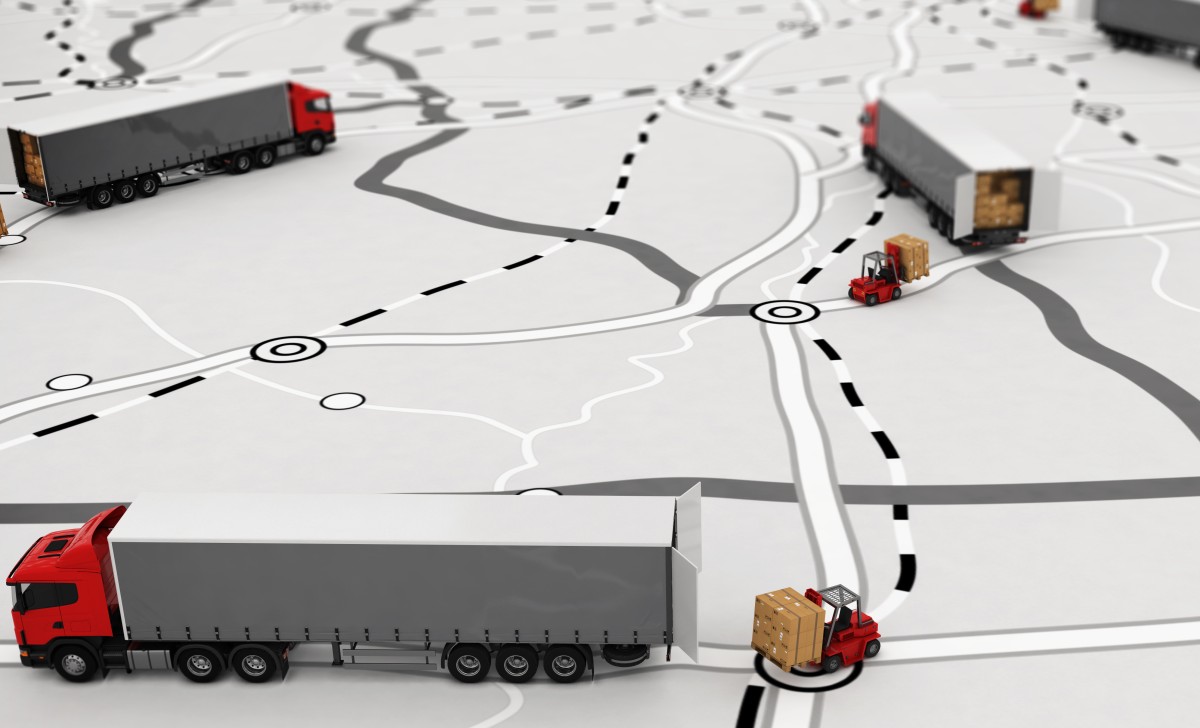
A fleet tracking and management app can ceaselessly analyze the location of the fleet.
A logistics company may get to know the status of the goods in the fleet through the app.
Almost 60% of the logistic companies have gone digital and its high time for new venture to implement these apps.
Brilliant WMS provide one of the best transportation management software in India, which is optimized solution for real-time tracking, route planning and delivery automation.Enquiry now a free demo : http://brilliantwms.com/lp/Visit Us : http://brilliantwms.com/