


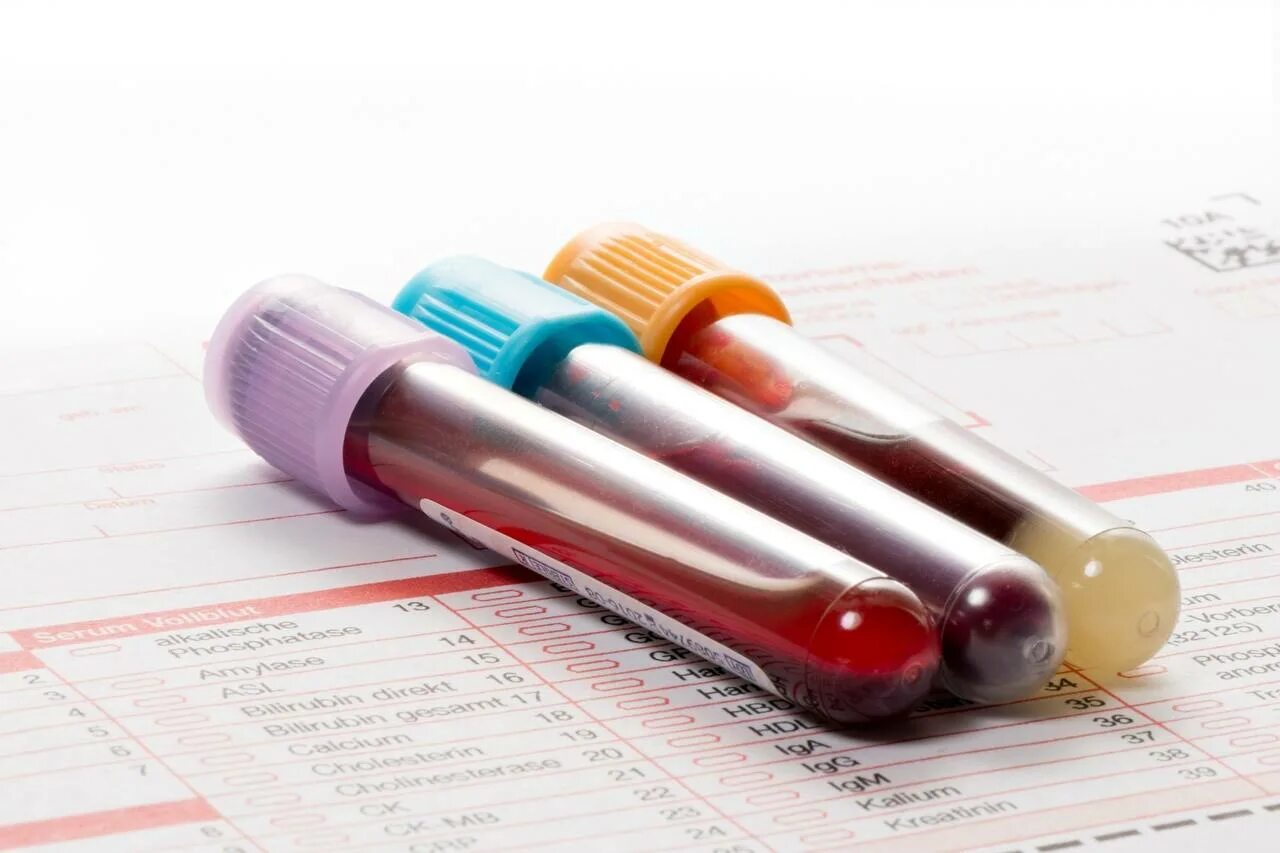
Sexually transmitted infections can affect anyone, and many infections often go undetected due to a lack of symptoms. A full STD panel provides a comprehensive approach to sexual health, enabling individuals to protect themselves and their partners. By detecting bacterial, viral, and parasitic infections early, full STD panel screening helps prevent complications, reduce transmission, and support long-term wellness.
The Importance of Comprehensive Screening:
Many sexually transmitted infections, such as chlamydia, gonorrhea, HIV, and hepatitis, may remain asymptomatic for extended periods. Relying solely on symptoms can result in delayed treatment and increased risk of spreading infections to others.
A full STD panel evaluates multiple infections simultaneously, offering a more accurate and complete understanding of sexual health. Early detection allows for prompt medical intervention, minimizing health risks and supporting proactive care.
Protecting Yourself: Early Detection and Treatment
One of the most significant benefits of full STD panel screening is personal protection. Detecting infections early prevents the development of severe complications. For example, untreated chlamydia or gonorrhea can lead to pelvic inflammatory disease or infertility, while early diagnosis of HIV or hepatitis enables timely management of viral load and organ health.
Screening also empowers individuals to make informed decisions about their sexual activity, preventive measures, and treatment options. Knowing your status is a key step in maintaining your health and well-being.
Protecting Others: Reducing Transmission Risk
Sexual health is not only an individual concern; it impacts partners and the broader community. Many infections are contagious even when symptoms are absent. Comprehensive testing identifies hidden infections, allowing individuals to take precautions such as treatment, abstinence, or protection measures to prevent spreading infections to others.
Regular full STD panel screening promotes responsible sexual behavior and reduces community transmission, contributing to public health efforts.
What a Full STD Panel Includes?
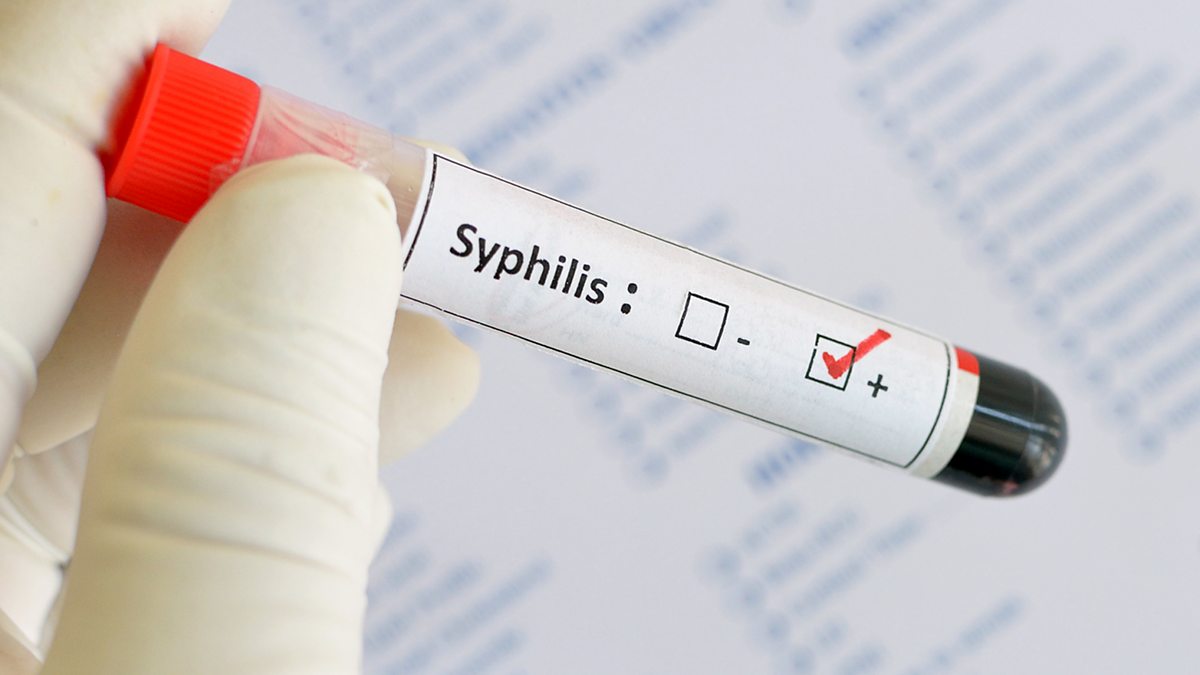
Full STD panels typically screen for bacterial infections like chlamydia, gonorrhea, and syphilis, as well as viral infections such as HIV, hepatitis B, hepatitis C, and herpes. Depending on risk factors, some panels may also test for trichomoniasis or human papillomavirus (HPV).
By testing for multiple infections simultaneously, these panels provide a comprehensive overview of sexual health, reducing the risk of missed infections and ensuring timely intervention.
How Screening Is Conducted?
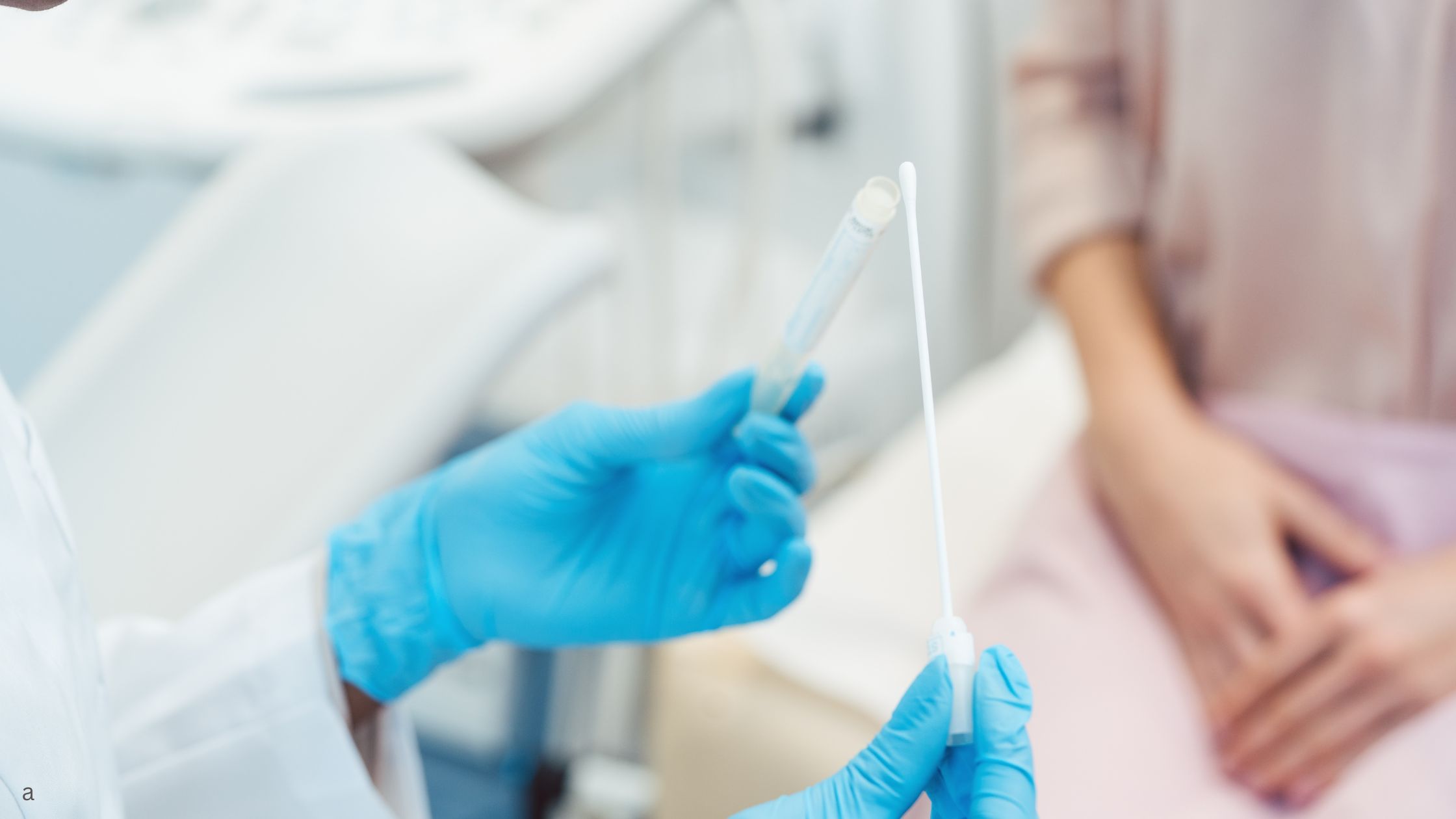
A full STD panel usually involves a combination of blood tests, urine samples, and swabs from the genitals, throat, or rectum. Blood tests detect viral infections such as HIV and hepatitis, while urine and swab samples identify bacterial or localized infections.
Understanding the testing process helps individuals feel comfortable and prepared, reducing anxiety and ensuring accurate sample collection.
Timing and Window Periods:
Accuracy in full STD panel screening depends on testing at the appropriate time. Each infection has a window period—the time between exposure and detectability. Testing too soon may result in false negatives, so healthcare providers may recommend follow-up testing after the window period to confirm results.
Being aware of window periods helps individuals plan testing strategically, ensuring reliable detection and reducing the risk of unknowingly transmitting infections.
Overcoming Barriers to Screening:
Despite the benefits, some individuals hesitate to undergo full STD panel screening due to stigma, fear, or misconceptions. Education about the importance of early detection, routine monitoring, and preventive care encourages individuals to take proactive steps without shame or anxiety.
Healthcare providers emphasize that testing is a standard preventive health measure, not a judgment of personal behavior. Routine screening is a responsible approach to sexual wellness for everyone.
Integrating Screening Into Routine Health Practices:
Regular full STD panel screening should be part of a holistic approach to preventive healthcare. Incorporating testing into annual checkups or before entering new relationships ensures ongoing protection for both yourself and your partners.
Coupled with safe sexual practices, vaccinations, and open communication, comprehensive screening supports long-term sexual wellness and reduces the overall risk of complications or transmission.
Emotional and Relationship Benefits:
Full STD panel screening also fosters trust and transparency in relationships. Sharing test results with partners demonstrates responsibility and encourages open dialogue about sexual health.
Knowing your status provides peace of mind, reduces anxiety about potential infections, and strengthens both individual and relational well-being.
Final Thoughts:
Full STD panel in Dubai screening is essential for protecting yourself and others. By detecting bacterial, viral, and parasitic infections early, these comprehensive tests prevent complications, reduce transmission risk, and support informed decision-making.
Routine screening is a proactive step toward long-term sexual wellness, fostering responsible behavior, transparency, and peace of mind. Prioritizing full STD panel testing helps individuals maintain personal health while safeguarding partners and contributing to community sexual health.

Stop Comparing Yourself to Others People ShirtOrder Now: https://teechip.com/Stop-Comparing-Yourself-to-Others-People-Shirt-newWe Officially Lunched Stop Comparing Yourself to Others People Shirt, Stop Comparing Yourself to Others People T Shirt.
Stop Comparing Yourself to Others People Shirts From Expert Designer at Teechip.Stop Comparing Yourself to Others People ShirtStop Comparing Yourself to Others People T ShirtStop Comparing Yourself to Others People Hoodie#stopcomparingyourselftootherspeopleshirt

Let’s learn here the different levels of IPC Certified Training.
Also, Check the full details about the IPC 7711/21, IPC A-610, IPC A-620, IPC J-STD-001, etc from BEST Inc a master IPC Training and Solder Certification center.
You can enroll yourself for these courses at BEST which is a licensed IPC training center providing cost effective world class solder training from experienced and Industry professionals.
Browse our website for more details…