If you've been in a car accident recently, you're likely experiencing discomfort that's affecting your daily life. Neck and shoulder pain are among the most common complaints following motor vehicle accidents, and understanding how physiotherapy may support your recovery is an important step forward.
Why Neck and Shoulder Pain Occurs After Car Accidents
During a collision, your body experiences sudden, forceful movements that it's not prepared for. Even low-speed accidents may cause significant strain on your muscles, ligaments, and joints. Your neck and shoulders are particularly vulnerable because they work to stabilize your head during impact.
Common injuries that might develop include:
- Whiplash: rapid back-and-forth neck movement that strains soft tissues
- Muscle strains: overstretched or torn muscle fibers in the neck and shoulder region
- Ligament sprains: damaged connective tissues that support your joints
- Joint dysfunction: misalignment or restricted movement in cervical or shoulder joints
- Nerve irritation: compressed or inflamed nerves causing pain, tingling, or numbness
What makes these injuries particularly challenging is that symptoms don't always appear immediately. You might feel fine right after the accident, only to wake up the next day with significant stiffness and pain.
Recognizing Your Symptoms
Understanding what you're experiencing may help you communicate more effectively with healthcare providers. Common symptoms following motor vehicle accidents include:
- Persistent neck stiffness or reduced range of motion
- Shoulder pain that worsens with movement
- Headaches that start at the base of your skull
- Pain that radiates down your arms
- Muscle spasms or tightness
- Difficulty sleeping due to discomfort
- Reduced ability to perform work tasks or daily activities
If you're experiencing any of these symptoms, seeking assessment and guidance is an important consideration for your recovery journey.
How Motor Vehicle Accident Physiotherapy May Support Recovery
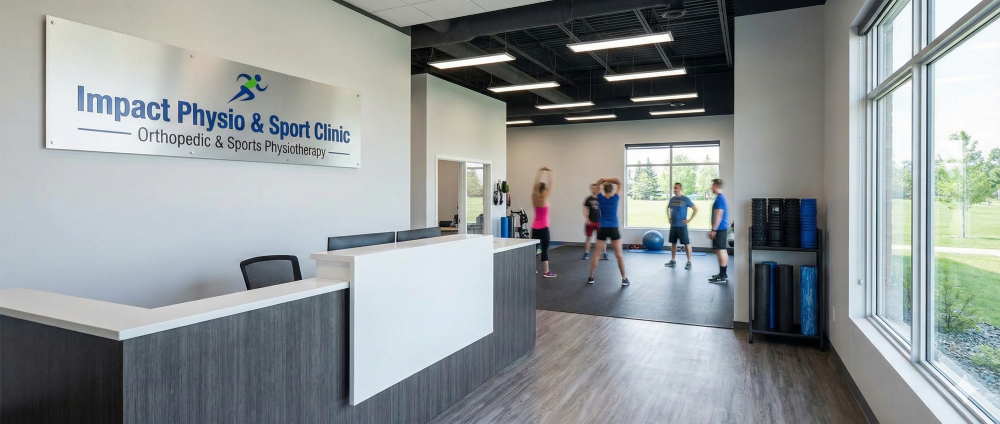
Motor vehicle accident physiotherapy focuses on addressing the specific injuries and movement patterns affected by collision trauma. At Impact Physio & Sport Clinic in Beaumont, located at T4X 1T8, Canada, physiotherapists work with individuals recovering from car accidents to develop personalized treatment approaches.
Initial Assessment
Your first visit typically involves a comprehensive assessment where your physiotherapist evaluates:
- Your range of motion in affected areas
- Muscle strength and flexibility
- Pain levels and patterns
- Functional limitations in daily activities
- Your specific recovery goals
This information helps create a treatment plan tailored to your unique situation.
Treatment Approaches That Might Be Used
Motor vehicle accident physiotherapy may incorporate various techniques, including:
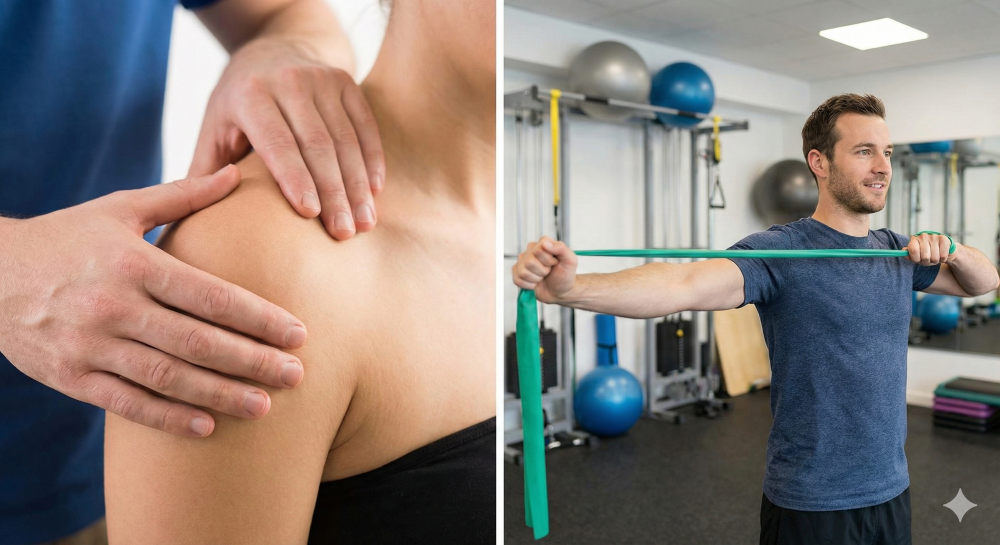
Manual Therapy: Hands-on techniques that might address joint mobility, muscle tension, and soft tissue restrictions. These approaches may include gentle mobilizations and soft tissue work designed to reduce discomfort and improve movement.
Therapeutic Exercise: Customized exercises that focus on gradually restoring strength, flexibility, and function. Your physiotherapist might guide you through specific movements designed to support your neck and shoulder recovery.
Postural Education: Learning how positioning affects your symptoms may help you manage pain throughout your day. Your physiotherapist might provide guidance on ergonomic adjustments for work, sleep, and daily activities.
Pain Management Strategies: Various modalities might be incorporated to help manage your symptoms, including heat, ice, or other therapeutic approaches.
Movement Retraining: After an accident, you might develop compensatory movement patterns that could lead to additional problems. Physiotherapy may address these patterns to promote healthier movement.
The Importance of Timely Care
While every recovery journey is different, seeking assessment relatively soon after your accident may be beneficial. Early intervention might help:
- Address acute symptoms before they become chronic
- Prevent the development of compensatory movement patterns
- Support your body's natural healing processes
- Provide you with self-management strategies
- Document your injuries for insurance purposes
- What to Expect During Your Recovery
Recovery from motor vehicle accident injuries varies significantly from person to person. Factors that might influence your healing include the severity of your injuries, your overall health, your age, and your commitment to following your treatment plan.
Your physiotherapist may work with you to set realistic expectations and milestones. Some people notice improvements within a few weeks, while others require longer-term support. Regular communication with your healthcare providers about your progress is important throughout this process.
Working With Your Healthcare Team
Motor vehicle accident physiotherapy often works alongside other healthcare providers. Your physiotherapist might communicate with your physician, massage therapist, or other professionals involved in your care to ensure a coordinated approach to your recovery.
If you're working with an insurance company following your accident, your physiotherapist may provide documentation and progress reports as needed for your claim.
Taking the Next Step
If you're dealing with neck and shoulder pain after a car accident in the Beaumont area, considering a motor vehicle accident physiotherapy assessment might be a positive step toward recovery. Impact Physio & Sport Clinic, located in Beaumont at T4X 1T8, Canada, provides physiotherapy services for individuals recovering from motor vehicle accidents.
Every person's recovery journey is unique, and what works for one individual might differ from another's experience. A personalized assessment may provide you with clearer information about your specific situation and what approaches might be appropriate for you.
Remember, you don't have to navigate this recovery alone. Seeking support and guidance from qualified healthcare providers may make a meaningful difference in how you feel and function in the weeks and months following your accident.

Our Motor Vehicle Accident program allows you to focus on recovering and healing while we deal with insurance and paperwork hasslesLet us handle the paperwork while you get healthy.
Call 623-334-4000 to speak with a helpful and friendly representative or click on the link below to schedule an appointment.