Global wheat trade has evolved into a highly structured sourcing environment. While pricing remains important, importers today place equal—if not greater—emphasis on supplier reliability, compliance readiness, and long-term consistency.
For buyers sourcing wheat at scale, the cost of a single shipment failure can be significant. Delays, quality rejections, or documentation errors can disrupt downstream production, increase logistics costs, and damage supplier relationships. As a result, importer expectations from wheat exporters have become far more defined.
Why Wheat Sourcing Has Become Risk-Sensitive
Several factors have reshaped how importers approach wheat procurement:
Stricter food safety and quality regulations
Greater enforcement at destination ports
Climate-driven variability in crop yields
Volatile freight and insurance costs
These challenges have made ad-hoc sourcing increasingly risky. Importers now prioritize exporters who demonstrate process discipline and export maturity rather than those offering only short-term price advantages.
What Importers Look for in a Wheat Exporter
Before initiating commercial negotiations, importers typically evaluate exporters across a few critical dimensions.
1. Product Consistency
Uniform grain size, controlled moisture content, and stable protein levels are essential for industrial buyers such as flour mills and food processors. Consistency across shipments is often more important than marginal price differences.
2. Documentation Accuracy
Export documentation remains one of the most common failure points in wheat trade. Importers expect exporters to be prepared with accurate phytosanitary certificates, certificates of origin, inspection reports, and shipping documents without delays.
3. Export Experience
Exporters with prior experience shipping to regulated markets are generally preferred. Familiarity with port procedures, customs requirements, and destination-specific regulations reduces uncertainty for buyers.
4. Storage and Handling Standards
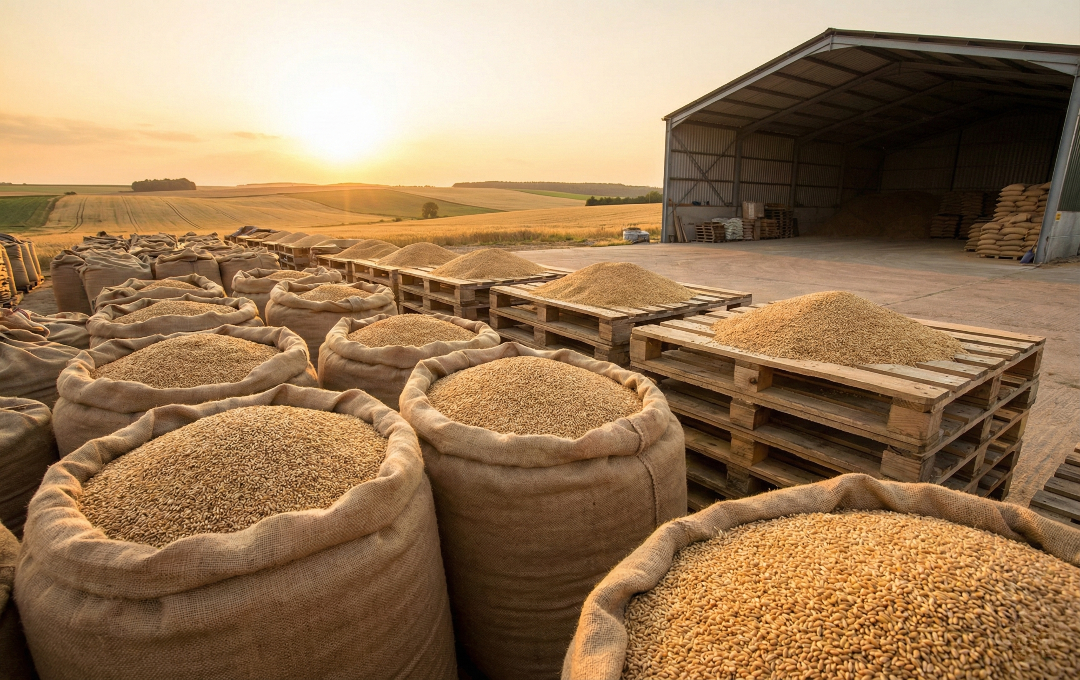
Proper storage facilities, pest management systems, and clean packaging environments are now baseline expectations. Poor handling practices can compromise wheat quality long before shipment.
The Growing Importance of Verification
Verification has become central to modern wheat sourcing. Importers increasingly want clarity on how wheat is sourced, tested, stored, and transported before committing to bulk orders.
Rather than relying solely on verbal assurances, buyers look for exporters who clearly explain their operational processes. This shift has increased demand for educational trade content that outlines best practices and procurement frameworks.
Resources explaining how importers assess wheat exporters for importers play an important role in this evaluation phase by setting expectations and reducing information gaps.
How Importers Shortlist Wheat Suppliers
The supplier selection process usually follows a structured sequence:
Initial Research
Importers review exporter profiles, technical documentation, and publicly available information to assess legitimacy before making contact.
Technical Evaluation
Quality specifications are matched against importer requirements. This often includes reviewing lab reports, crop origin details, and storage practices.
Commercial Discussions
Only after technical alignment do discussions move to pricing, payment terms, shipment timelines, and volume commitments.
Trial Shipments
Many importers begin with a smaller trial shipment to validate quality consistency, logistics performance, and communication efficiency before scaling volumes.
Why Long-Term Sourcing Agreements Are Increasing
While spot buying still exists, many importers now favor long-term sourcing arrangements. These contracts reduce exposure to market volatility and simplify procurement planning.
For exporters, long-term agreements reward consistency and transparency. Exporters who deliver stable quality and maintain clear communication are more likely to secure repeat orders across multiple seasons.
Trust, once established, becomes a key competitive advantage.
Digital Research Shapes Importer Decisions
Trade fairs and intermediaries continue to play a role, but digital research has become a primary discovery channel for importers. Buyers now expect exporters to clearly communicate:
Product specifications
Quality control measures
Export readiness
Logistics handling capabilities
Educational content helps importers evaluate suppliers before initiating contact, improving lead quality for exporters and reducing mismatched inquiries.
What This Means for Wheat Exporters
Exporters looking to compete internationally must think beyond pricing. Operational transparency, documentation accuracy, and quality consistency are now essential for building importer confidence.
Importers are not simply buying wheat—they are selecting partners who can support their supply chains reliably over time.
Final Perspective
The global wheat trade is shifting toward a more disciplined, verification-driven sourcing model. Importers who understand exporter workflows make better procurement decisions, while exporters who align with these expectations position themselves for sustainable growth.
As standards continue to rise, professional sourcing practices and long-term partnerships will define the future of wholesale wheat trade.