
Hepatitis C is a viral infection that targets the liver and often progresses silently. Left undetected, it can lead to severe complications such as fibrosis, cirrhosis, and hepatocellular carcinoma. A Hepatitis C test is a critical tool in preventing these serious liver outcomes. By identifying infection early, individuals gain the opportunity to protect liver function, pursue effective treatment, and reduce long-term health risks.
The Silent Nature of Hepatitis C:
Many people with Hepatitis C do not experience symptoms for years, making routine testing essential. Fatigue, mild abdominal discomfort, or general malaise may be the only subtle indicators in the early stages. Because the liver can maintain function despite ongoing viral infection, serious damage may occur before symptoms appear. Detecting Hepatitis C through a blood test bypasses reliance on symptoms, allowing for early intervention.
Understanding the Types of Hepatitis C Tests:
A Hepatitis C test generally includes an antibody screening followed by a confirmatory RNA test if the antibodies are present. The antibody test identifies whether the immune system has previously responded to the virus, signaling exposure. The RNA test detects active viral replication, confirming ongoing infection. This two-step process ensures accurate diagnosis, which is crucial for preventing liver complications.
Early Detection Reduces the Risk of Fibrosis:
Fibrosis is the buildup of scar tissue in the liver caused by chronic inflammation. Over time, untreated Hepatitis C can trigger fibrosis, impairing liver function. Early detection through testing allows healthcare providers to monitor liver enzyme levels and assess fibrosis risk. Initiating antiviral therapy at this stage can halt the progression of scarring and preserve healthy liver tissue.
Preventing Cirrhosis Through Timely Intervention:
Cirrhosis represents advanced liver damage, where normal liver architecture is replaced by scar tissue, affecting blood flow and metabolic function. A Hepatitis C test identifies infection before cirrhosis develops, giving patients the opportunity to receive treatment that can eliminate the virus and reduce inflammation. Preventing cirrhosis lowers the risk of liver failure, portal hypertension, and other life-threatening complications.
Reducing the Risk of Liver Cancer:
Chronic Hepatitis C infection increases the likelihood of hepatocellular carcinoma, the most common type of liver cancer. Detecting the virus early through testing allows for regular monitoring and timely intervention. Successful antiviral therapy significantly decreases cancer risk by halting ongoing liver inflammation and minimizing scarring. Early awareness is therefore a critical strategy for cancer prevention.
The Role of Lifestyle Adjustments After Testing:
A Hepatitis C test not only informs treatment decisions but also encourages protective lifestyle changes. Patients can reduce alcohol intake, adopt a balanced diet, maintain a healthy weight, and avoid medications or supplements that strain the liver. When combined with antiviral therapy, these adjustments enhance liver resilience and reduce the likelihood of serious complications.
How Testing Guides Medical Management?
Confirming Hepatitis C infection allows healthcare providers to develop a comprehensive plan for monitoring and treatment. Regular liver function tests, imaging, and fibrosis assessment are often recommended to track disease progression. Early intervention can prevent emergency hospitalizations and the need for more invasive procedures, ensuring that the liver remains functional for longer.
Importance of Regular Screening for High-Risk Groups:
Certain populations face higher exposure risk, including individuals with a history of injectable drug use, past blood transfusions, occupational exposure to blood, or chronic medical conditions requiring frequent procedures. For these groups, regular Hepatitis C testing ensures that new or ongoing infections are detected promptly, reducing the cumulative risk of liver complications.
Emotional Benefits of Early Testing:
Receiving a Hepatitis C test provides clarity and reduces anxiety related to unknown infection status. Knowing whether the virus is present allows individuals to make informed health decisions rather than relying on assumptions. Early awareness supports proactive engagement with healthcare providers and improves adherence to preventive strategies that protect liver health.
Protecting Public Health Through Early Detection:
Early Hepatitis C testing also benefits community health. Identifying infections reduces the likelihood of virus transmission through blood contact or shared needles. Educating patients about their status encourages safer practices and promotes preventive care at a population level. Public health interventions combined with individual testing help limit long-term complications across communities.
Common Misconceptions About Testing and Liver Damage:
Many people assume that feeling healthy means their liver is safe. Others believe liver damage only occurs after obvious symptoms appear. In reality, silent infection can progress for decades. Routine Hepatitis C testing detects the virus before irreversible damage occurs, providing a critical window for intervention. Understanding this reality emphasizes the importance of proactive screening.
Next Steps After a Positive Test:
A positive Hepatitis C test does not mean immediate liver failure—it signals the need for timely action. Follow-up RNA testing, liver enzyme monitoring, and discussions about antiviral therapy are key next steps. With early treatment, most patients can eliminate the virus, minimize inflammation, and prevent severe complications.
Final Perspective:
A Hepatitis C test is more than a diagnostic tool—it is a preventive measure that protects liver health. By detecting infection early, monitoring disease progression, and guiding treatment and lifestyle changes, testing helps prevent fibrosis, cirrhosis, and liver cancer.
Proactive testing empowers individuals to take control of their liver health, reduces long-term complications, and promotes overall well-being. For anyone at risk or unsure of their exposure, a Hepatitis C test is a critical step toward a healthier liver and a safer future.
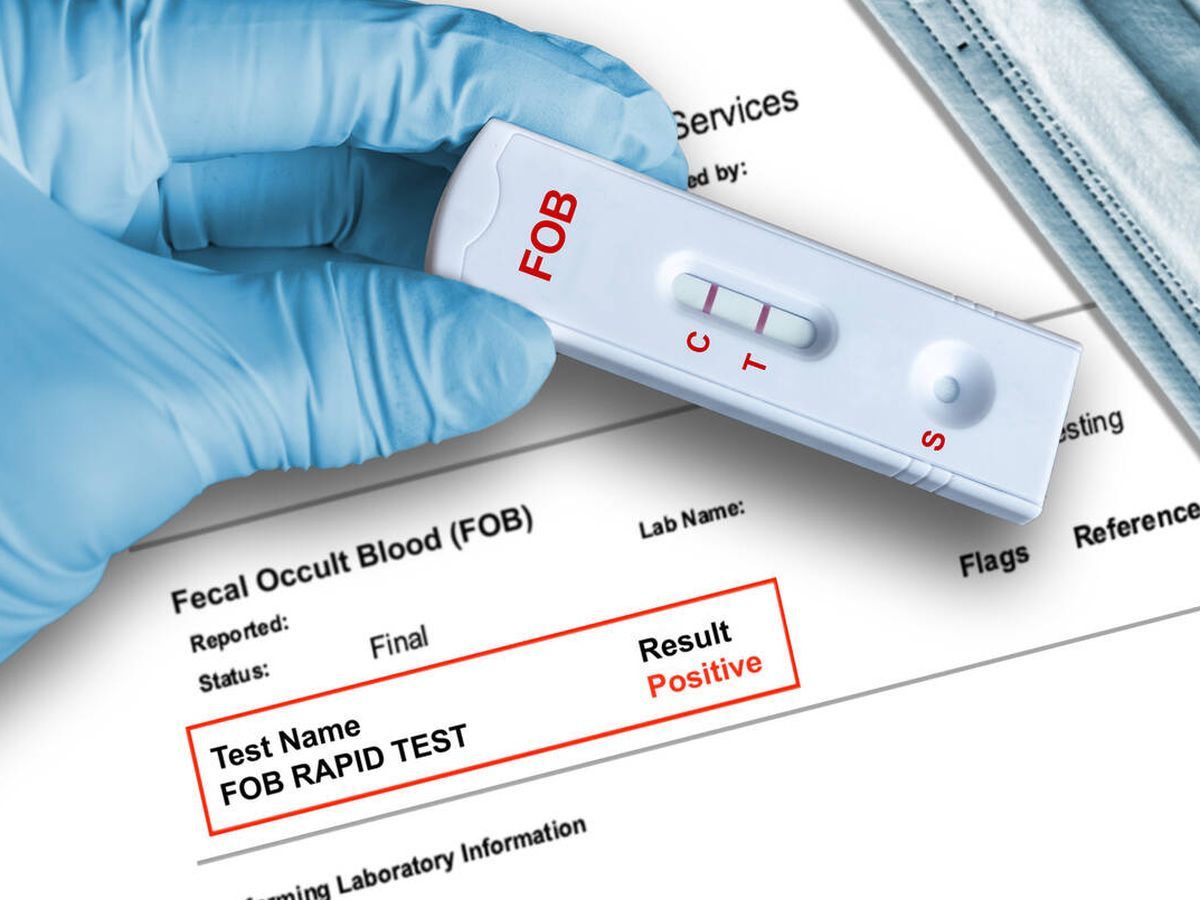



Hepatitis infection are of three types: Hepatitis A, Hepatitis B, and Hepatitis C. Hence, its treatment will also vary according to its type.
It decreases the functionality of the liver and gives result in liver failure.
Take Online Diagnosis and Prescription from HepC Live Free to clear the virus from your body and help to keep you healthy.