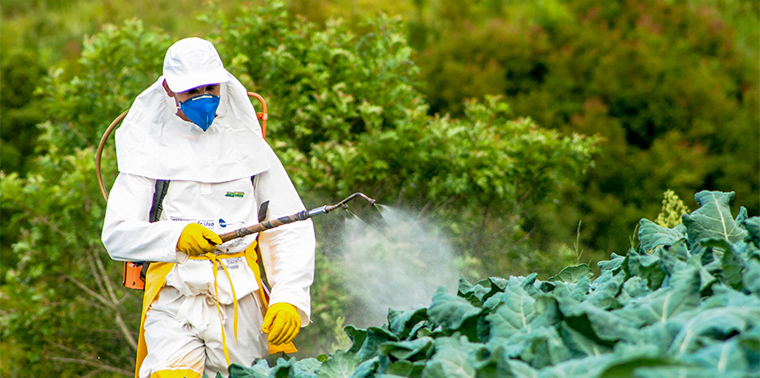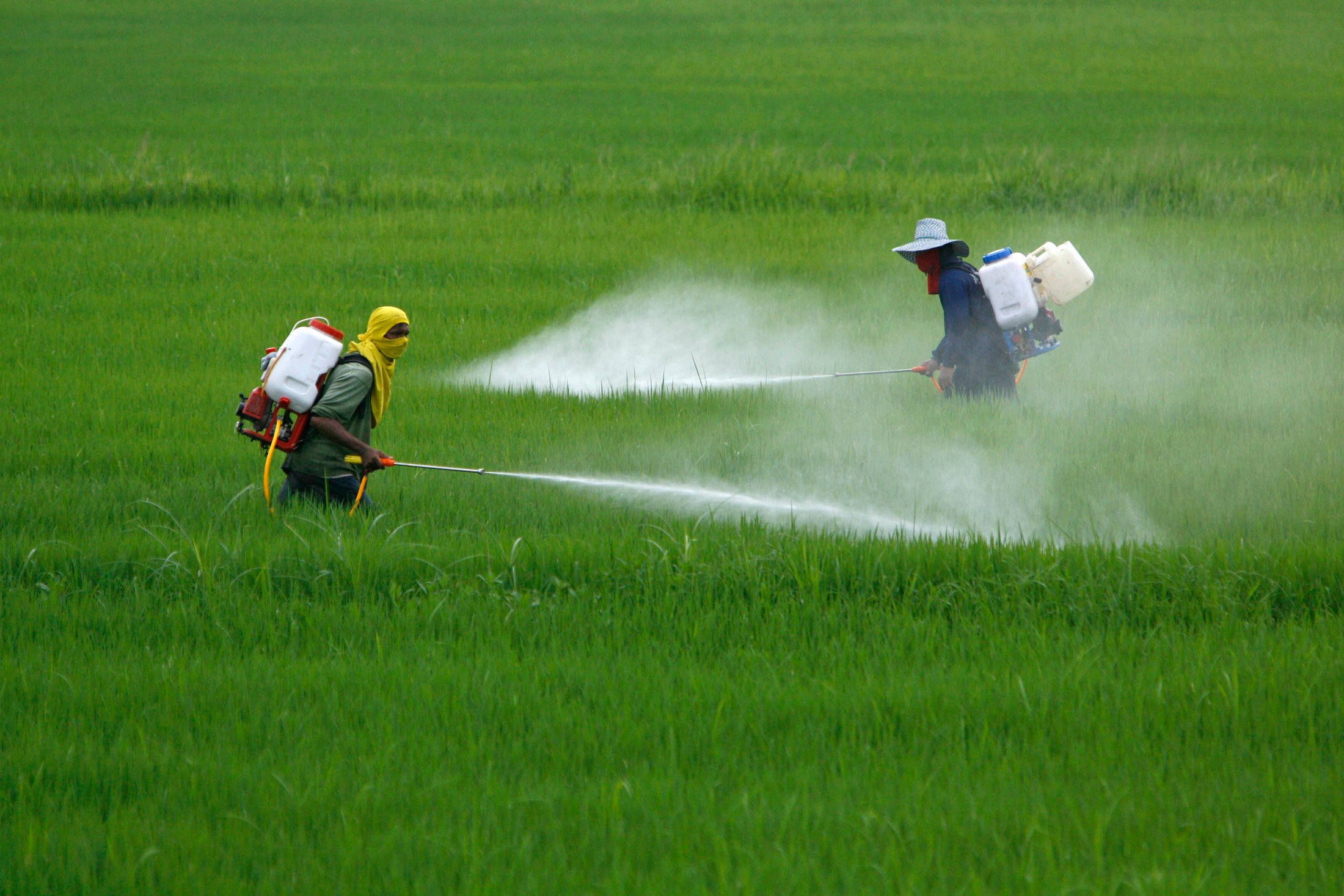
In modern agriculture, pesticides play a critical role in protecting crops from pests, diseases, and weeds. Yet, as farming becomes more sustainable and consumers become more environmentally conscious, pesticide companies are rethinking how their products affect the ecosystem. Today, many companies are going beyond effectiveness; they are focusing on minimizing environmental impact while ensuring crops remain healthy and productive.
Why Sustainability Matters in Pesticides?
For decades, pesticides have been essential to achieving high yields. But overuse or careless application can harm soil, water sources, and beneficial insects such as bees. This has raised concerns among farmers, regulators, and consumers about the long-term ecological impact of conventional pesticides.
Sustainability is no longer a secondary goal; it is now central to the operations of forward-thinking pesticide companies. By developing safer products and supporting responsible application practices, these companies help farmers protect their crops while minimizing environmental harm.
How Pesticide Companies Are Reducing Environmental Impact?
The modern approach to pesticides focuses on reducing their ecological footprint. Here’s how the most responsible pesticide companies are leading the way:
1. Biodegradable and Eco-Friendly Formulations
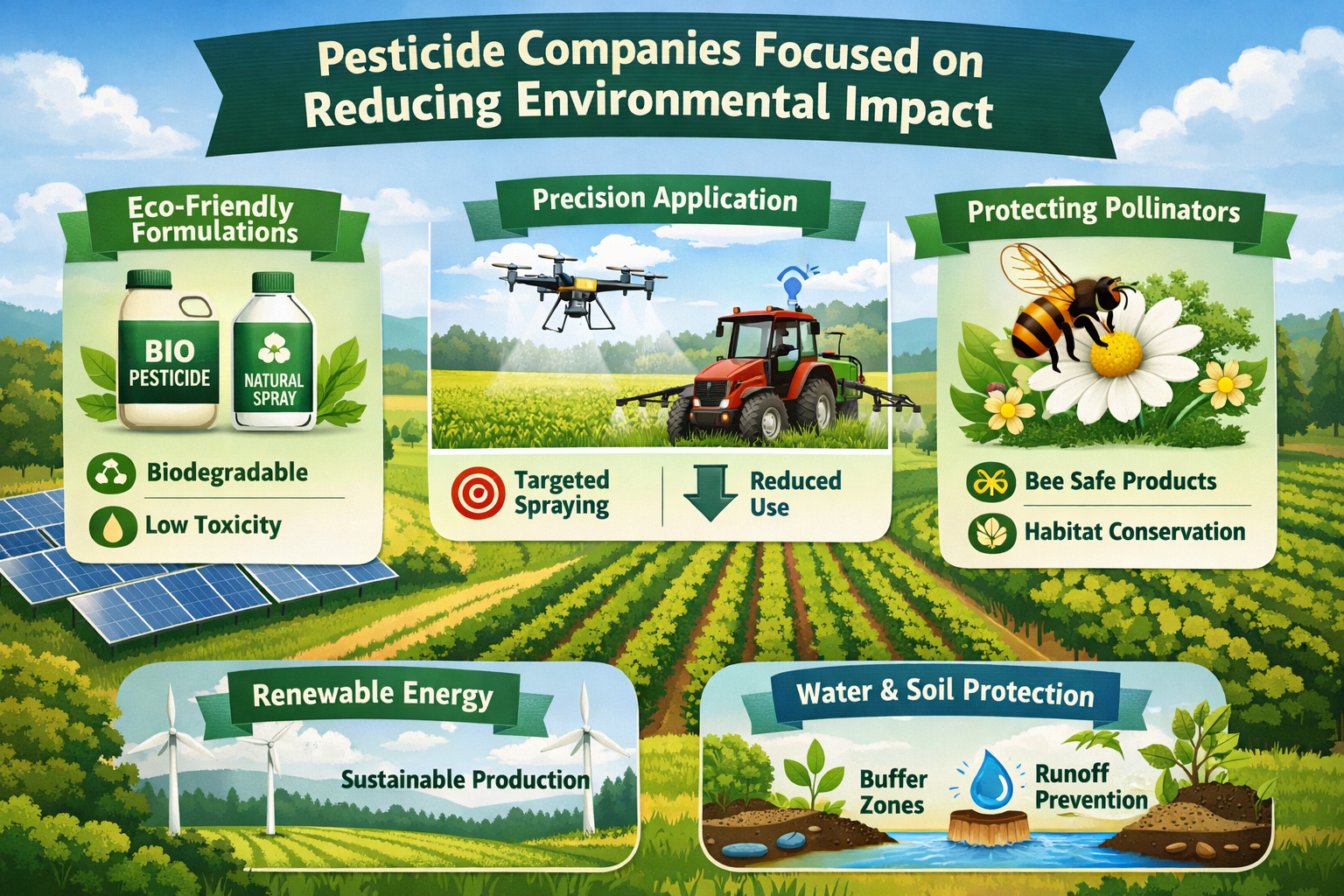
One major shift has been the development of biodegradable pesticides. Unlike traditional chemicals that linger in soil and water, these formulations break down naturally, leaving minimal residues. This approach ensures crops are protected without polluting the surrounding ecosystem.
2. Precision Farming Technologies
Technology is transforming pesticide application. Smart sprayers, drones, and AI-powered monitoring tools allow farmers to target pests more accurately, using only the necessary amount of chemicals. This precision reduces over-application, conserves resources, and protects nearby plants and wildlife.
3. Biological Alternatives
Some pesticide companies are now integrating biological solutions alongside chemical products. Natural predators, beneficial microbes, and plant-based compounds provide effective pest control without harming the environment. These methods also support biodiversity, making farms healthier overall.
4. Lower Toxicity for Non-Target Species
Protecting pollinators, birds, and aquatic life is a priority for eco-conscious companies. By carefully studying toxicity and using selective formulations, pesticide companies can control pests while minimizing the risk to beneficial species that play a vital role in agriculture.
5. Compliance and Certifications
Top pesticide companies adopt international standards and eco-certifications, ensuring their products meet stringent environmental requirements. This not only builds trust with farmers but also guarantees compliance with regulatory norms and sustainable practices.
Dhanuka: A Pioneer in Environmentally Responsible Pesticides
Among Indian pesticide companies leading the sustainability charge, Dhanuka stands out. Known for being a reliable pesticide company, Dhanuka has developed eco-friendly formulations and guides farmers on responsible application techniques. Their efforts demonstrate that crop protection and environmental stewardship can go hand in hand.
Through research, innovation, and farmer education programs, Dhanuka ensures that pesticides do their job without harming ecosystems. Farmers benefit from safer products, healthier soil, and produce that meets quality and taste standards.
Choosing the Right Pesticide Company
Selecting the right partner matters. The best pesticide company in India is one that balances crop protection with environmental responsibility. Farmers should look for companies that:
- Offer eco-friendly formulations
- Guide precision application
- Ensure compliance with regulations
- Support sustainable agriculture practices
Working with such companies helps farmers maintain productivity while protecting soil, water, and biodiversity.
Educating Farmers Is Key
Reducing environmental impact isn’t just about the products; it’s about knowledge. Farmers need training on proper pesticide use, timing, and dosage. Many pesticide companies now offer workshops, digital tools, and advisory programs to ensure farmers apply pesticides responsibly.
When farmers understand safe practices, chemical use is optimized, environmental risks are reduced, and crop yields improve. Companies like Dhanuka have prioritized farmer education as a central part of their sustainability strategy.
Innovations Driving Eco-Friendly Pesticides
The future of environmentally responsible pesticides is bright. Research is focusing on:
- Nano-formulations for efficient delivery with less chemical use
- Pest-specific chemicals to reduce off-target effects
- Bio-pesticides derived from natural compounds
- Digital tools and IoT monitoring for precise spraying
These innovations allow farmers to control pests effectively while minimizing harm to the environment.
Balancing Yield and Sustainability
The biggest challenge for pesticide companies is maintaining crop productivity without compromising ecological health. Farmers cannot risk losing yields, yet the environment must be protected. Companies that strike this balance earn trust from both farmers and consumers.
Sustainable pesticide practices are not just a trend—they are essential for long-term food security and environmental health. Companies that focus on eco-friendly solutions are setting the standard for modern agriculture.
Closing Thoughts
Pesticide companies focused on reducing environmental impact are reshaping agriculture in India. By developing biodegradable formulations, adopting precision technologies, promoting biological alternatives, and providing farmer education, these companies are protecting crops while preserving ecosystems.
Choosing the best pesticide company in India means partnering with firms committed to sustainability and innovation. With companies like Dhanuka leading the way, farmers can protect their crops, safeguard the environment, and maintain high-quality produce, demonstrating that sustainable farming and productivity can go hand in hand.
Environmental responsibility is no longer optional. As awareness grows, pesticide companies that prioritize eco-friendly practices will play a vital role in shaping the future of agriculture, ensuring healthy crops, safe food, and a cleaner environment for generations to come.
FAQs
1. What is an environmentally friendly pesticide company?
An environmentally friendly pesticide company develops products that protect crops while minimizing harm to soil, water, and beneficial insects. These companies focus on sustainability, low-residue formulations, and safe application practices to balance crop protection with ecological responsibility.
2. How do pesticide companies reduce environmental impact?
Pesticide companies reduce environmental impact through biodegradable formulations, precision application tools, biological alternatives, low-toxicity chemicals, and farmer education programs. These methods ensure crops are protected without damaging ecosystems.
3. Why is sustainable pesticide use important in agriculture?
Sustainable pesticide use prevents soil degradation, water pollution, and harm to beneficial insects while maintaining high crop yields. It helps farmers grow healthy produce and protects the environment for future farming cycles.
4. Which is the best pesticide company in India for eco-friendly solutions?
The best pesticide company in India for eco-friendly solutions is one that combines sustainable formulations, farmer support programs, and regulatory compliance. Dhanuka is recognized for offering crop protection solutions with minimal environmental impact.
5. Can pesticides affect soil and water if not applied correctly?
Yes. Overuse or incorrect application of pesticides can contaminate soil and water, disrupt local ecosystems, and harm non-target organisms. Responsible use and guidance from trusted pesticide companies prevent these issues.
6. What technologies help pesticide companies minimize environmental impact?
Technologies such as drones, AI-powered sprayers, smart sensors, and IoT monitoring enable precise pesticide application, reduce chemical use, and prevent over-spraying, safeguarding the surrounding environment.
7. Do biological alternatives replace chemical pesticides?
Biological alternatives, like beneficial insects or plant-based compounds, supplement chemical pesticides rather than fully replacing them. They help reduce chemical dependence while controlling pests naturally.
8. How do farmers benefit from eco-friendly pesticide practices?
Eco-friendly pesticide practices protect crops, improve soil and water health, maintain natural biodiversity, and ensure high-quality, safe produce, all while supporting long-term farm sustainability.
9. What role does farmer education play in sustainable pesticide use?
Farmer education ensures chemicals are applied correctly, at the right time and dosage, preventing environmental damage. Companies like Dhanuka provide workshops and guidance to promote responsible pesticide use.
10. Can sustainable pesticide practices increase crop yield?
Yes. Using pesticides responsibly and with eco-friendly solutions maintains soil health and reduces pest damage, which can increase crop productivity and quality while protecting the environment.