In Indian agriculture, farmers expect two things from any crop protection solution: it should work effectively, and it should be safe to use. Striking that balance is not simple. Behind every bottle on the shelf lies years of research, testing, regulation, and field learning. A responsible pesticide company understands that performance without safety is risky, and safety without performance is pointless.
So how does a modern pesticide company maintain this balance? The answer lies in science, regulation, transparency, and constant engagement with farmers.
Understanding the Dual Responsibility
Crop protection products are designed to control pests, diseases, and weeds that threaten yield and quality. But they are also chemicals that must be handled carefully. That’s why every pesticide company operates within a tightly regulated framework.
In India, products must meet government guidelines for toxicity, residue limits, environmental impact, and safe usage instructions. Before any product reaches the market, it undergoes extensive laboratory analysis and multi-location field trials. Only after proving both efficacy and safety does it receive approval.
The goal is clear: protect crops without harming people, soil, water, or beneficial organisms.
The Science Behind Safer Formulations
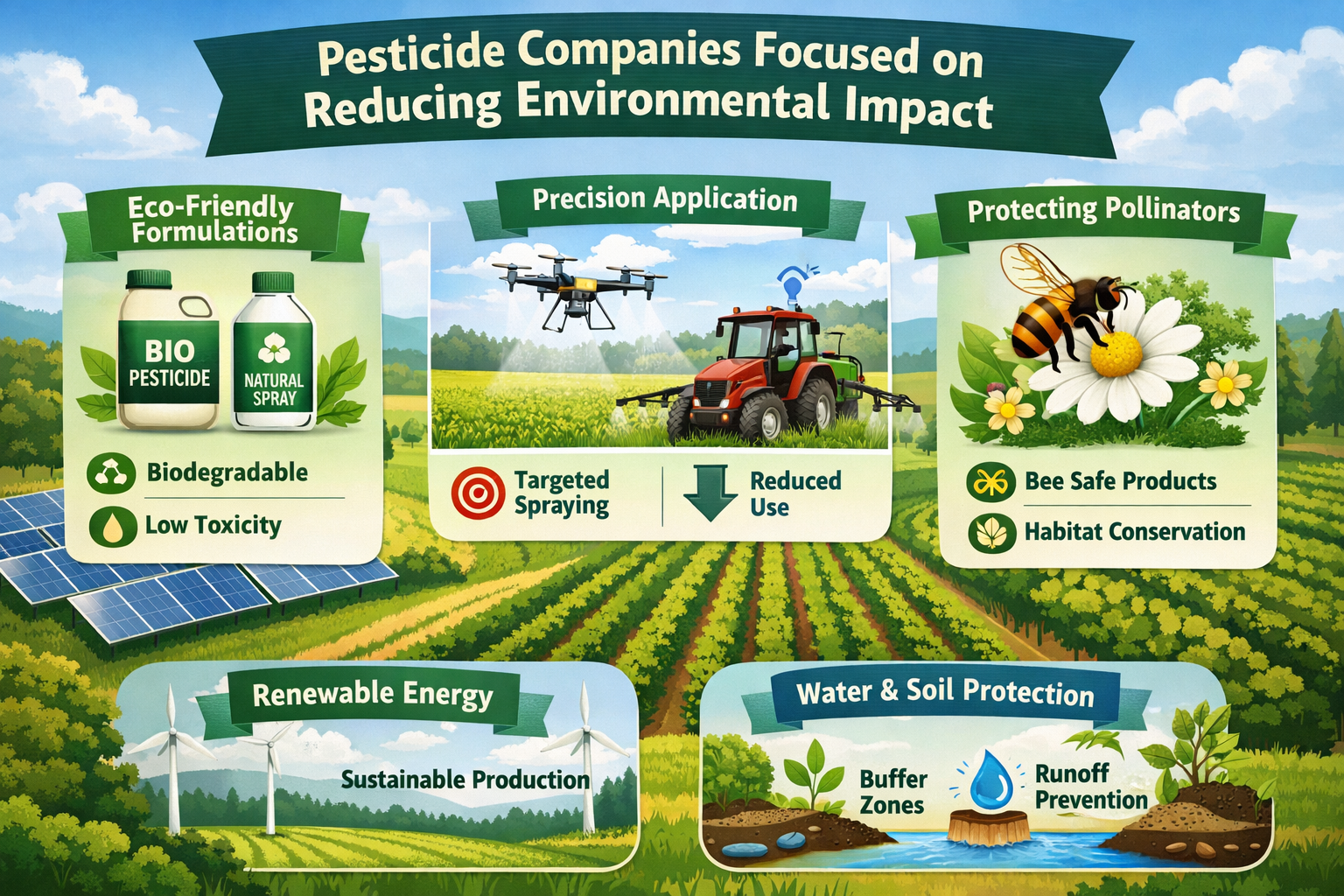
Balancing safety and performance begins at the formulation stage. Researchers work to identify active ingredients that effectively target specific pests while minimizing impact on non-target organisms.
Modern formulations focus on:
- Precise targeting of pests
- Reduced dosage requirements
- Improved spray stability
- Lower environmental persistence
Advanced formulation technologies allow smaller quantities to deliver better results. This reduces chemical load per acre while maintaining strong pest control. Many companies now invest heavily in developing the best agro chemical products that are both efficient and responsible.
Field Trials: Where Theory Meets Reality
Lab results are only the beginning. Real-world conditions are unpredictable. Weather patterns, soil types, crop varieties, and pest pressure all vary widely across India.
A responsible pesticide company conducts multi-season field trials in diverse agro-climatic zones. These trials evaluate:
- Crop safety
- Pest control effectiveness
- Impact on yield
- Compatibility with other inputs
Such extensive testing ensures that the product performs consistently without causing phytotoxicity or unintended crop stress.
Regulatory Compliance and Transparency
Regulations exist for a reason. They ensure that products entering the market meet strict standards. A company that values long-term trust follows compliance not just as a legal requirement but as a core principle.
This includes:
- Clear label instructions
- Proper dosage recommendations
- Safety guidelines for farmers
- Transparent disclosure of active ingredients
Companies like Dhanuka have built their reputation on adhering to regulatory frameworks while focusing on farmer education. Responsible compliance strengthens both credibility and crop outcomes.
Farmer Training: The Missing Link
Even the best agro chemical products can fail if misused. Overdosing, improper mixing, incorrect spray timing, or ignoring weather conditions can reduce effectiveness and increase risk.
That’s why training programs are essential. A forward-thinking pesticide company invests in:
- On-field demonstrations
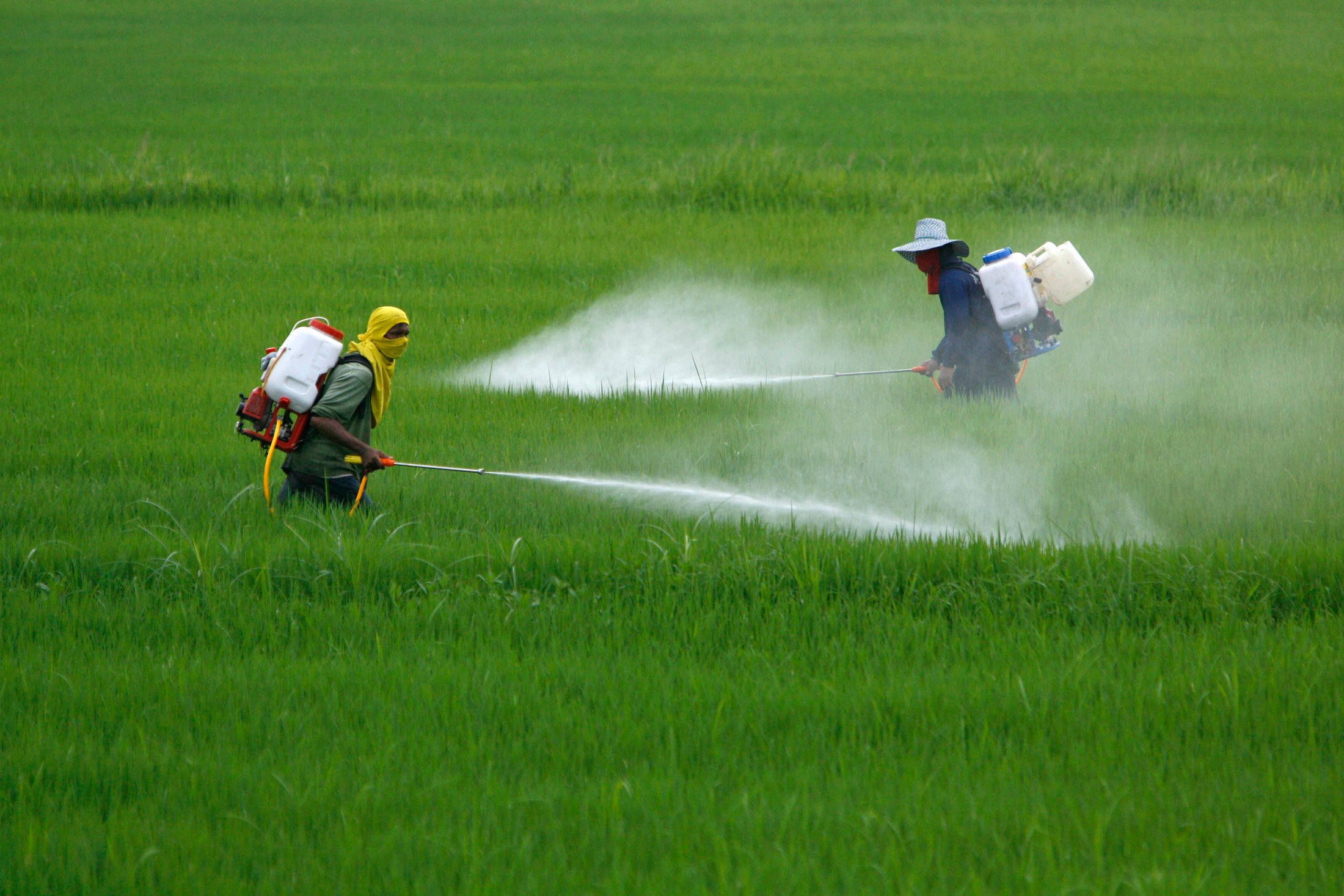
- Spray technique guidance
- Integrated pest management awareness
- Safety gear education
When farmers understand how and when to apply products, safety improves naturally, and performance becomes more consistent.
Integrated Pest Management (IPM) Approach
Modern agriculture is shifting away from blanket spraying toward integrated pest management (IPM). This approach combines biological control, cultural practices, resistant varieties, and chemical solutions in a balanced system.
A responsible pesticide company supports IPM rather than promoting overuse. Chemical intervention becomes one part of a larger strategy. This reduces resistance development and preserves long-term product effectiveness.
Encouraging crop monitoring, threshold-based spraying, and rotation of molecules helps maintain sustainability in pest control.
Innovation in Application Technology
Spray drift and runoff are major concerns in pesticide application. If droplets drift away from the target area, both safety and performance suffer.
Companies now work on technologies that improve:
- Droplet size control
- Better leaf adhesion
- Reduced evaporation
- Uniform coverage
Such innovations help farmers use lower quantities while achieving higher efficiency. It’s not about selling more product; it’s about making each drop count.
Addressing Resistance Management
Pest resistance is a serious issue in Indian agriculture. Overuse of the same chemistry can make pests less responsive over time.
A responsible pesticide company promotes:
- Molecule rotation
- Tank mix compatibility guidelines
- Monitoring pest population trends
This proactive approach ensures products remain effective for years rather than seasons. Long-term sustainability benefits both farmers and companies.
Environmental Responsibility
Balancing safety and performance also means considering soil and water health. Many companies are now investing in solutions that:
- Break down faster in the environment
- Leave minimal residues
- Are safer for beneficial insects
Environmental testing evaluates toxicity to fish, birds, bees, and soil microbes. These studies help shape safer usage recommendations.
The best pesticide company in India is often defined not just by sales but by environmental accountability.
Quality Control and Manufacturing Standards
Manufacturing precision matters. Even minor variations in formulation can affect product stability and safety.
Strict quality control includes:
- Raw material testing
- Batch consistency checks
- Stability analysis
- Shelf-life validation
Reliable companies maintain high manufacturing standards to ensure farmers receive consistent performance from every pack.
Listening to the Field
Real feedback comes from farmers. A pesticide company that actively listens can improve formulations, packaging, and instructions based on actual use patterns.
For instance, if farmers report spray drift in windy regions, companies can adjust formulation strategies or recommend specific nozzles. If dosage confusion arises, labels can be simplified.
This feedback loop strengthens trust and refines product performance over time.
Case of Responsible Growth
India’s agricultural landscape is diverse, and farmers face rising challenges: climate change, resistant pests, fluctuating markets, and input costs.
Companies like Dhanuka have demonstrated that growth does not need to compromise responsibility. By focusing on farmer support, research-backed products, and compliance-driven operations, they show how a pesticide company can balance business goals with agricultural sustainability.
Performance Is More Than Pest Control
Performance is often measured in yield. But true performance includes:
- Healthy crop growth
- Better market quality
- Reduced crop stress
- Lower re-spray requirements
When products work efficiently at recommended doses, farmers save money and reduce environmental exposure. That’s a win-win outcome.
Building Trust Through Consistency
Trust takes years to build and minutes to lose. Farmers depend heavily on recommendations from dealers, agronomists, and fellow growers. If a product fails repeatedly, confidence drops quickly.
Consistency in results strengthens reputation. The best pesticide company in India earns its status through dependable outcomes, farmer education, and transparent practices, not aggressive marketing alone.
The Road Ahead
Agriculture is evolving rapidly. Climate variability, new pest pressures, and sustainability demands require constant adaptation.
Future-ready companies are investing in:
- Safer molecules
- Precision agriculture tools
- Digital advisory platforms
- Biological alternatives
Balancing safety and performance will remain a central challenge. But with science-led innovation and farmer-first thinking, it is achievable.
Final Thoughts
At its core, a pesticide company carries significant responsibility. Farmers rely on its products for their livelihood, and consumers depend on safe food production systems.
Balancing safety and performance is not a marketing slogan; it is a continuous process of research, regulation, education, and innovation. Companies that prioritize this balance contribute not only to higher yields but also to long-term agricultural sustainability.
In a country as diverse as India, this balanced approach defines leadership in crop protection.