




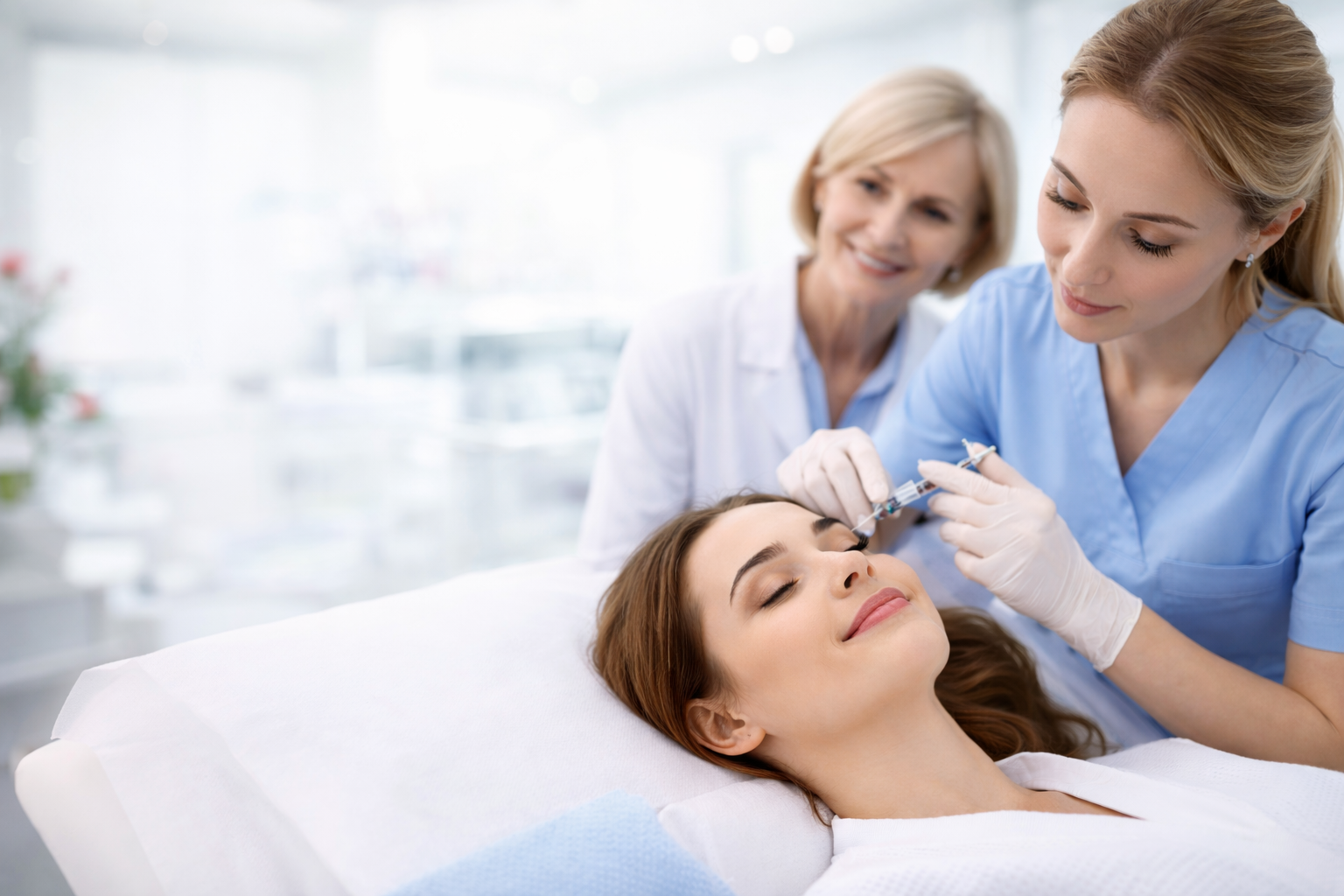
The field of aesthetic medicine is expanding rapidly as more people seek non-surgical cosmetic treatments. This growth has created strong demand for trained medical professionals who can safely perform injectable procedures. Nurses and doctors are increasingly choosing cosmetic injector training to enhance their clinical skills and build careers in cosmetic medicine. These courses combine scientific knowledge with practical instruction, ensuring a safe and effective learning experience.
Cosmetic injectables training focuses on procedures such as anti-wrinkle injections and dermal fillers. These treatments require precision, clinical judgment, and a strong understanding of facial anatomy. For this reason, cosmetic injector courses are designed specifically for nurses and doctors who already have medical backgrounds. Structured education helps practitioners deliver natural-looking results while maintaining high patient safety standards.
What a Cosmetic Injector Course Teaches
A quality cosmetic injectables course provides both theoretical and practical knowledge. Key learning areas usually include:
- Facial anatomy and muscle movement
- Patient consultation and assessment techniques
- Product selection and dosage planning
- Infection control and clinical safety
- Managing complications and aftercare
These topics help learners understand not just how to inject, but how to plan and deliver treatments responsibly.
Role of Online Learning in Cosmetic Injector Education
Online cosmetic injector training allows medical professionals to study essential theory in a flexible way. Nurses and doctors can access learning modules that cover anatomy, facial aging, and injection principles without interrupting their current work schedules.
Benefits of online education include:
- Flexible study hours
- Easy access to digital learning resources
- Step-by-step theoretical explanations
- Strong preparation for practical sessions
This approach ensures that learners enter hands-on training with confidence and foundational knowledge.
Importance of Hands-On Practical Training
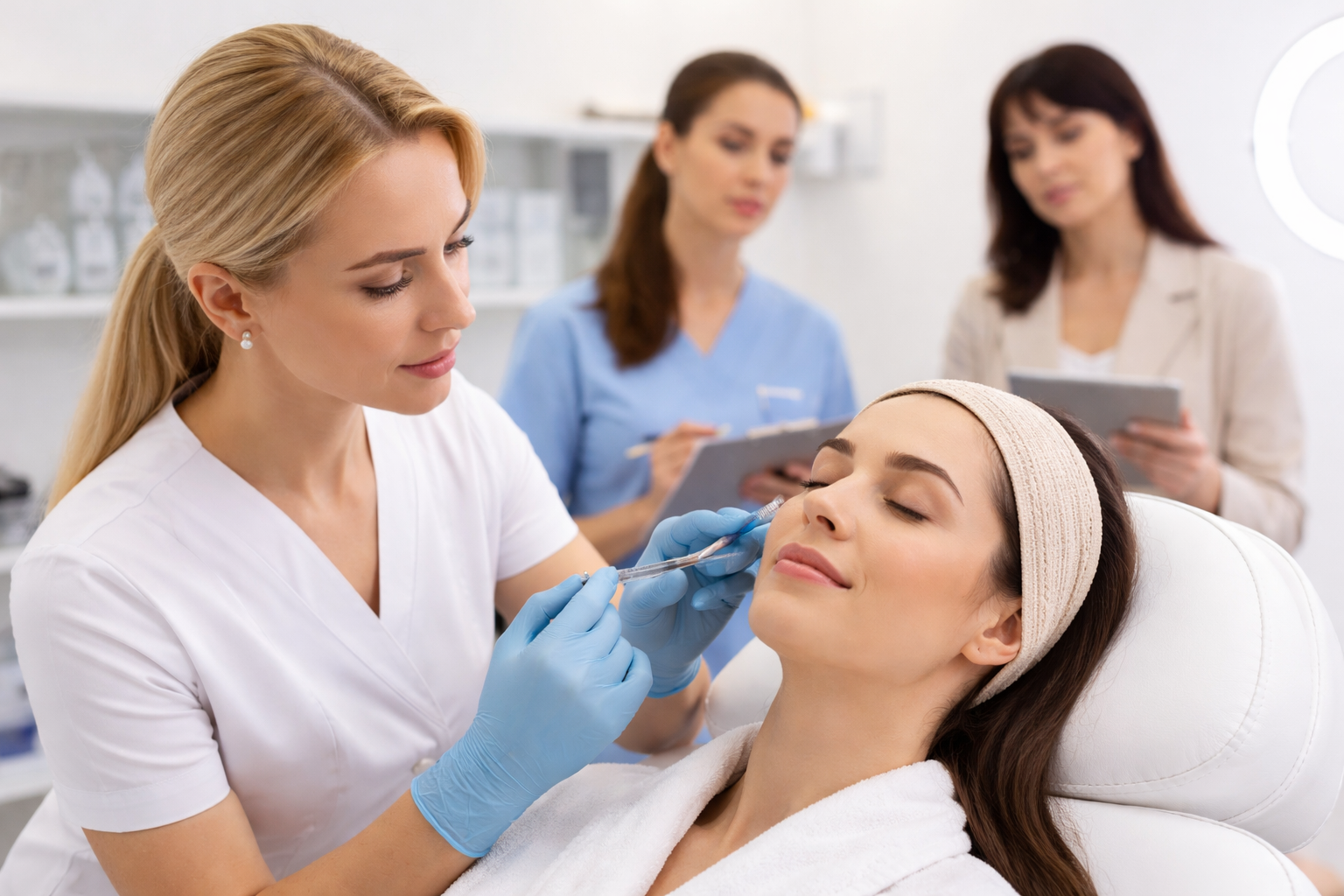
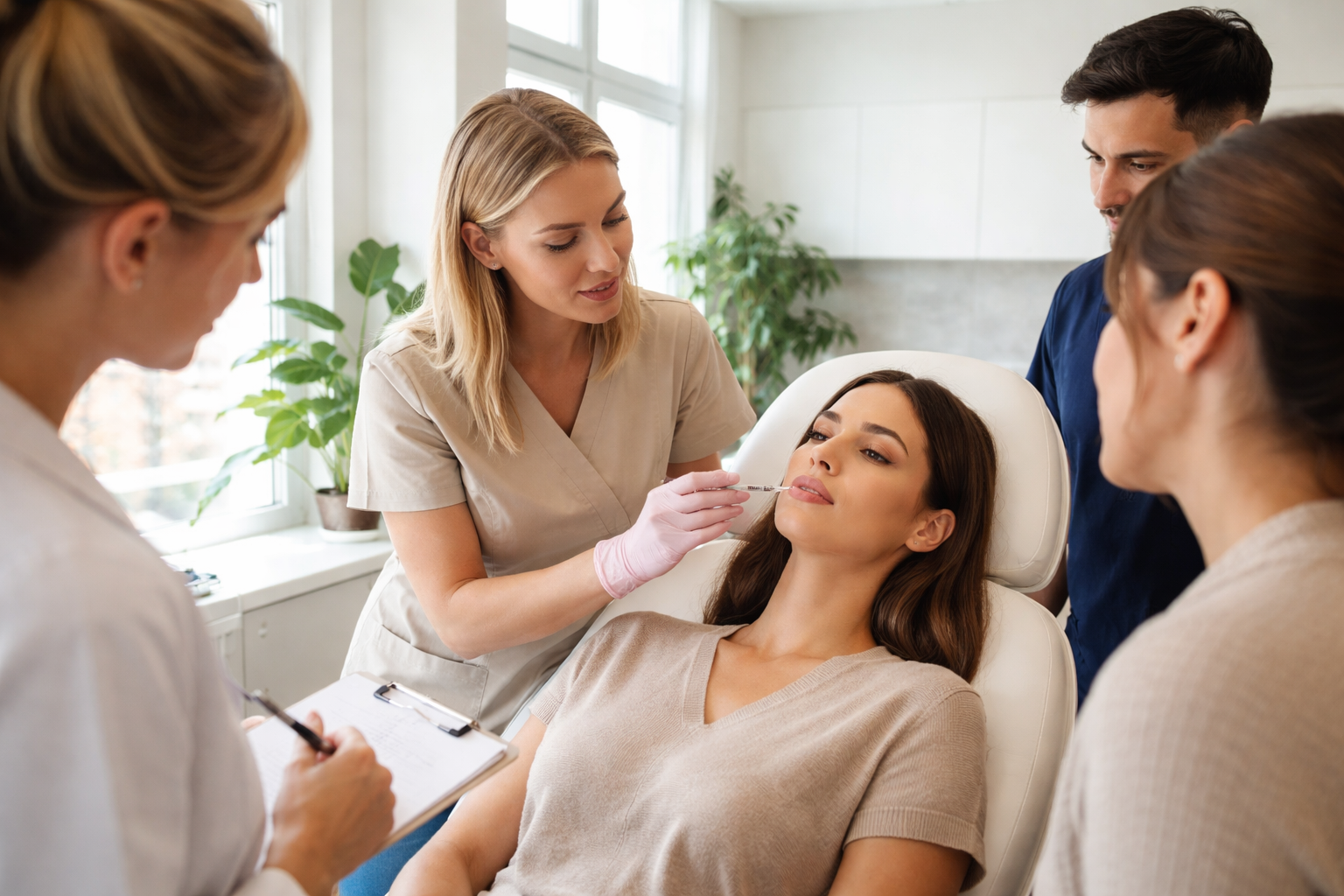
Practical experience is a vital part of cosmetic injector education. Hands-on cosmetic training allows nurses and doctors to practice injection techniques under expert supervision. Working with live models helps learners understand facial proportions and develop precision.
Hands-on training also helps to:
- Improve injection accuracy
- Build confidence in treatment delivery
- Develop patient communication skills
- Understand real treatment outcomes
Supervised practice supports skill development and reduces the risk of clinical errors.
Why Blended Training Is the Best Approach
Combining online learning with in-person training creates a complete education model. Theory learned online is reinforced through physical practice, helping professionals move smoothly from learning to clinical application.
Advantages of blended learning include:
- Stronger understanding of facial anatomy
- Better clinical decision-making
- Increased patient safety
- Higher professional confidence
Courses that combine both methods prepare medical professionals for real clinic environments.
Career Opportunities After Training
After completing cosmetic injector training, nurses and doctors can explore various career paths. Many work in aesthetic clinics, while others expand their existing medical services to include cosmetic treatments. Some professionals choose to open their own cosmetic practices or work as independent injectors.
Career benefits may include:
- Entry into aesthetic medicine
- Increased professional skills
- Flexible working opportunities
- Growing market demand
With continued interest in cosmetic treatments, trained injectors remain in high demand.
Final Thoughts
Cosmetic injector training provides nurses and doctors with the knowledge and skills needed to perform injectable treatments safely and confidently. By combining online education with hands-on practical sessions, these programs deliver balanced and effective learning. Whether completing a cosmetic injectables course or a dermal filler course, medical professionals gain valuable expertise that supports long-term career growth in aesthetic medicine. Choosing a professional training pathway is an important step toward success in this evolving field.

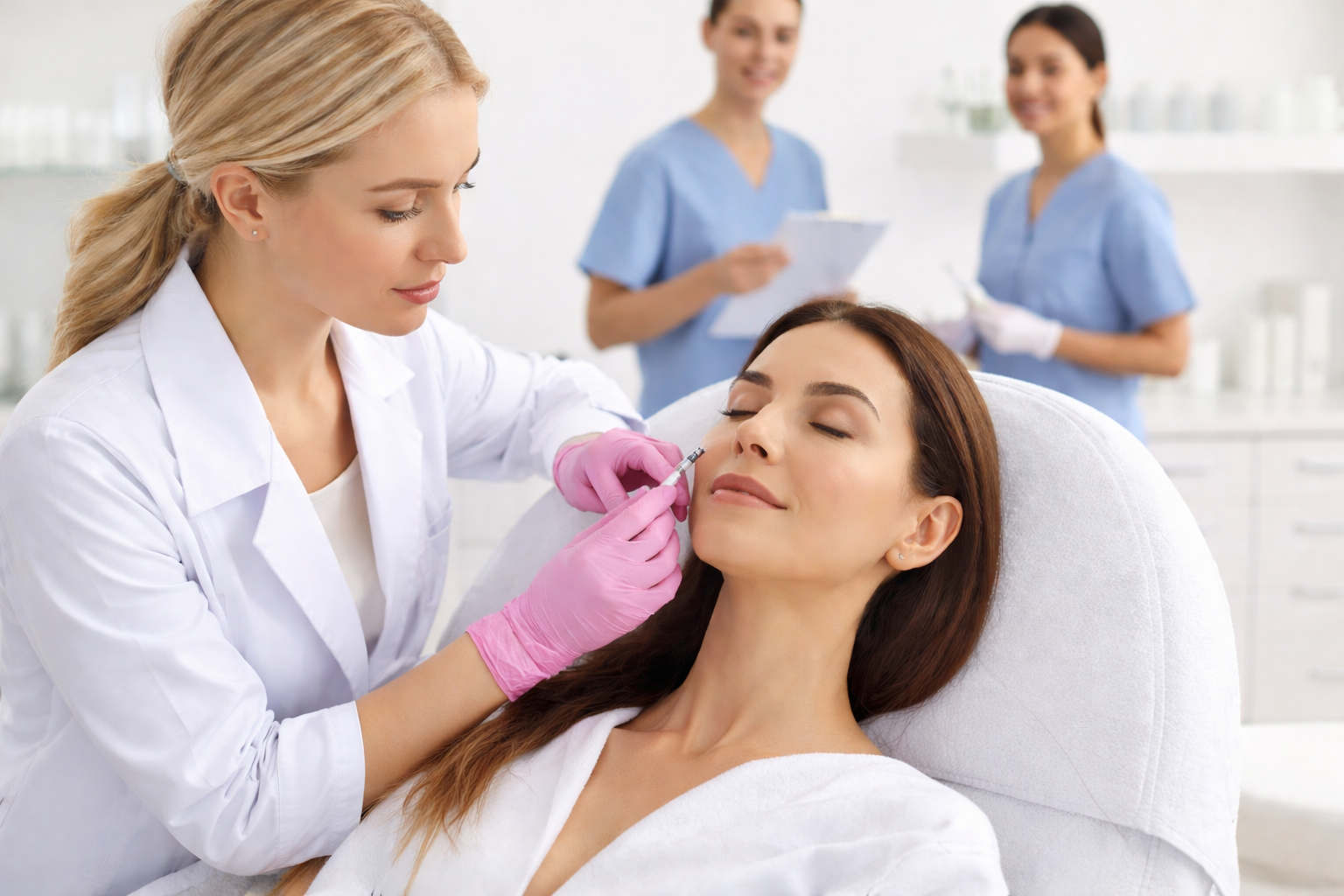
We specialize in cosmetic injectables such as botox and dermal fillers, as well as medical grade skin care treatments for cosmetic enhancement and skin rejuvenation.https://medskinboutique.com/training.html
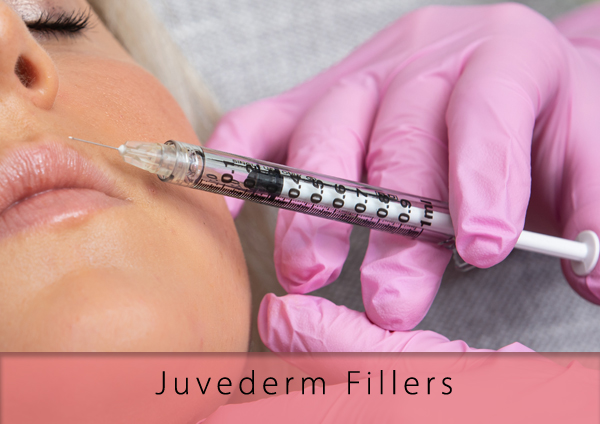
We specialize in cosmetic injectables such as botox and dermal fillers, as well as medical grade skin care treatments for cosmetic enhancement and skin rejuvenation.https://medskinboutique.com/