





Pelvic floor health plays a vital role in core stability, bladder and bowel control, posture, and overall quality of life. Many individuals in Edmonton experience pelvic floor dysfunction due to pregnancy, childbirth, surgery, injury, or aging—but often delay treatment due to lack of awareness or discomfort discussing symptoms. Practicing proper self-care alongside pelvic floor physiotherapy Edmonton can significantly improve recovery outcomes and long-term pelvic health.
Below are essential self-care tips to support healing and enhance the results of professional pelvic floor physiotherapy.
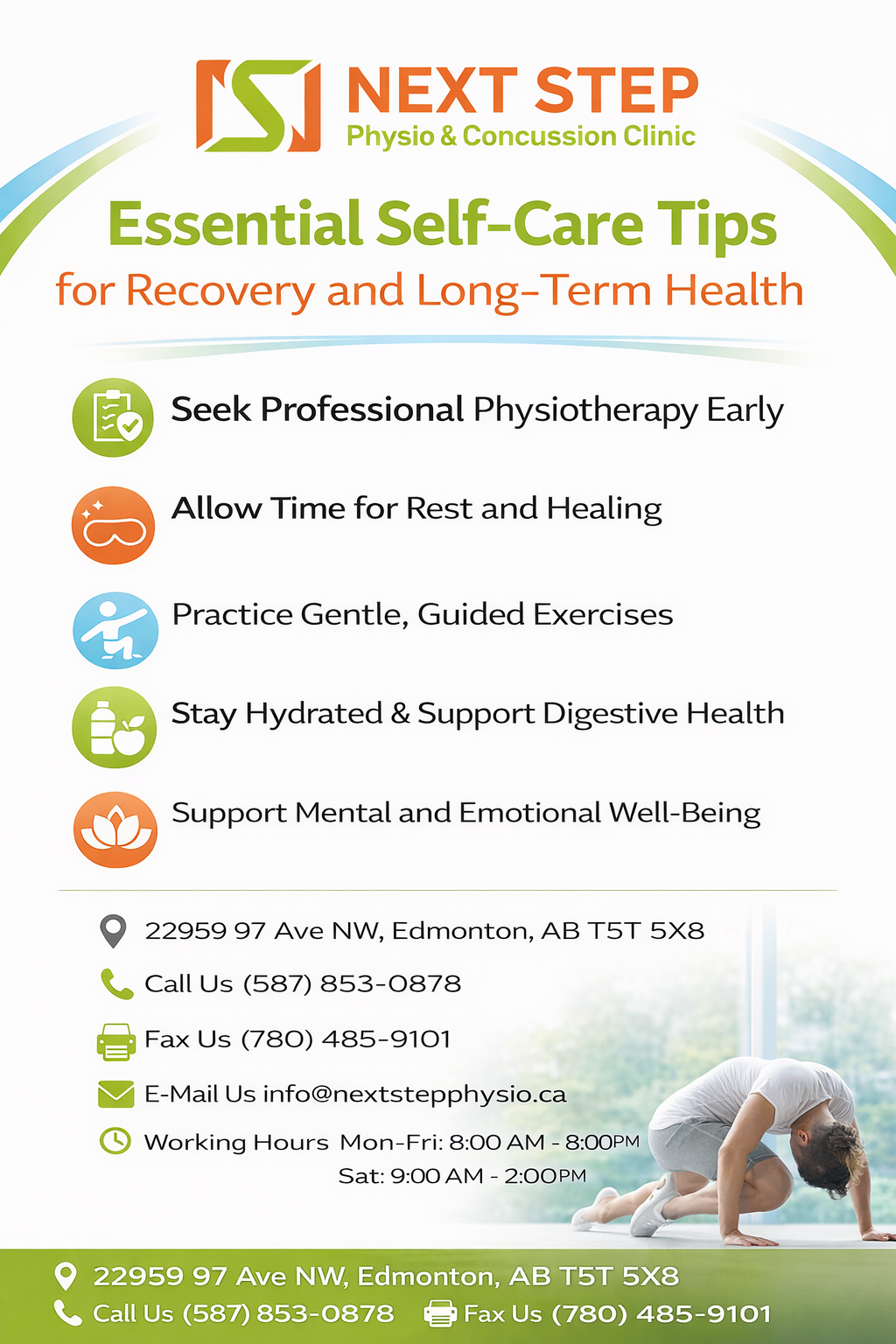
1. Seek Professional Pelvic Floor Physiotherapy Early
Early intervention is key to effective recovery. A trained pelvic health physiotherapist can assess muscle strength, coordination, and tension to identify the underlying cause of symptoms such as pelvic pain, incontinence, or core instability.
At Next Step Physiotherapy in Edmonton, pelvic floor physiotherapy programs are personalized to help:
Improve bladder and bowel control
Reduce pelvic pain and discomfort
Restore core strength and function
Prevent long-term complications
Early treatment leads to faster and more sustainable recovery.
2. Prioritize Rest and Proper Healing
Pelvic floor muscles can become strained or weakened due to physical stress, hormonal changes, or surgical procedures. Allowing your body time to heal is essential. Avoid heavy lifting, high-impact activities, and prolonged sitting without breaks, especially during the early stages of recovery.
Focus on:
Adequate sleep
Proper posture
Gentle daily movement
Rest supports tissue healing and reduces unnecessary strain on the pelvic floor.
3. Practice Gentle, Guided Pelvic Floor Exercises
Pelvic floor rehabilitation is not just about strengthening—it’s about learning proper muscle coordination. Gentle, therapist-guided exercises help restore balance and control without overworking the muscles.
A pelvic floor physiotherapist may recommend:
Breathing and relaxation techniques
Controlled pelvic floor activation
Core stabilization exercises
Following professional guidance ensures safe and effective progress.
4. Stay Hydrated and Support Digestive Health
Hydration plays an important role in pelvic health. Dehydration can contribute to constipation and bladder irritation, increasing pressure on pelvic floor muscles. Drinking enough water supports healthy digestion and urinary function.
Helpful habits include:
Drinking water consistently throughout the day
Limiting caffeine and alcohol
Eating fiber-rich foods
These habits complement pelvic floor physiotherapy and reduce symptom flare-ups.
5. Support Mental and Emotional Well-Being
Pelvic floor concerns can affect confidence and emotional health. Stress and anxiety may increase muscle tension, slowing recovery. Mindfulness practices such as deep breathing, relaxation exercises, and gentle stretching can help release tension and promote healing.
Addressing mental well-being is an important part of comprehensive pelvic floor care.
Conclusion
Pelvic floor issues are common, treatable, and should not be ignored. Combining healthy self-care practices with pelvic floor physiotherapy Edmonton can restore strength, comfort, and confidence. Early treatment, guided exercises, proper hydration, and emotional well-being support long-term pelvic health and improved quality of life.
If you are experiencing pelvic pain, bladder concerns, or core weakness, professional care can make a lasting difference.
Contact Next Step Physiotherapy – Edmonton
Website: https://www.nextstepphysiotherapy.com/
Phone: (587) 853-0878
Location: Edmonton, Alberta
Book your appointment today and take the next step toward better pelvic health with expert pelvic floor physiotherapy in Edmonton.

Bladder leakage affects millions of people — yet most suffer in silence. The good news: it is treatable, and you don't have to accept it as your new normal.
You laugh a little too hard and fe

Physiotherapy is widely used to help people recover from pain, injuries, and movement limitations. Many individuals search for Physiotherapy Edmonton services when they experience discomfort that a