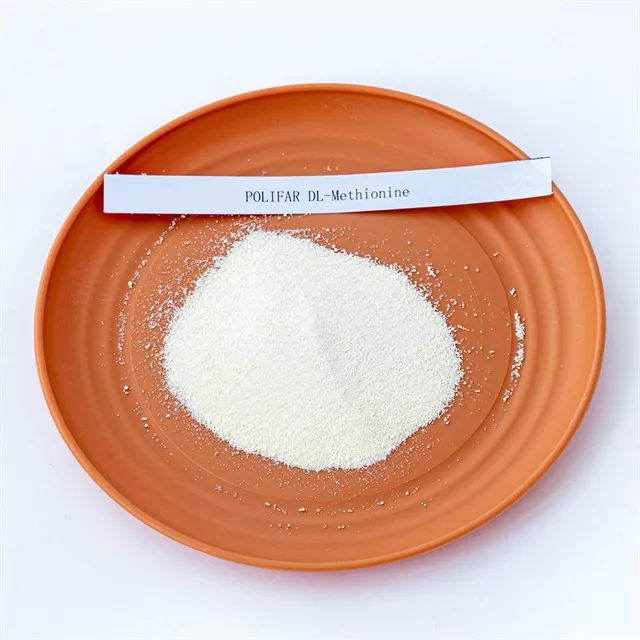
Amino acids are the monomeric units of proteins, and the nutritional quality of proteins is directly determined by their amino acid composition and bioavailability. As key components of protein feeds, amino acid supplements play an indispensable role in regulating animal growth, metabolism, and overall physiological function. Lysine and methionine are two essential amino acids widely utilized in animal nutrition, with well-documented effects on feed efficiency and livestock productivity. This study comprehensively reviews the physiological characteristics, classification, and practical applications of lysine and methionine in animal feed.
Physiological Characteristics of Feed Grade DL-Methionine
Methionine is a sulfur-containing essential amino acid that participates in numerous metabolic pathways involving sulfur-containing compounds in organisms. It serves as a precursor for the synthesis of cysteine, taurine, and other biologically active molecules, and is critical for protein synthesis and methylation reactions. Methionine deficiency in animals is associated with a range of pathological conditions, including anorexia, growth retardation, renal hypertrophy, hepatic iron overload, and ultimately hepatocellular necrosis or fibrosis. Additionally, methionine exerts detoxification effects by transferring its methyl group to xenobiotics or drugs, facilitating their biotransformation and excretion.
Physiological Characteristics of Lysine
Lysine is an α-amino acid with a basic side chain, classified as an essential amino acid due to its inability to be synthesized de novo by most animals. It is designated as a first limiting amino acid in cereal-based diets, primarily due to its low natural abundance and susceptibility to thermal degradation during feed processing.
Lysine plays a central role in maintaining metabolic homeostasis. It is a key precursor for carnitine biosynthesis, which is essential for the transport of long-chain fatty acids into mitochondria for β-oxidation. Dietary lysine supplementation stimulates the secretion of gastric acid and pepsin, enhancing digestive enzyme activity, improving nutrient digestibility, and promoting animal growth and development. Furthermore, lysine enhances intestinal calcium absorption and bone mineralization, accelerating skeletal growth and development. Lysine deficiency is characterized by reduced gastric juice secretion, anorexia, nutritional anemia, and may lead to neurodevelopmental disorders due to impaired protein synthesis in the central nervous system.
Classification and Significance of Essential and Limiting Amino Acids
Twenty standard amino acids are commonly found in animal and plant proteins. Essential amino acids are defined as those that cannot be synthesized by the animal's body at a rate sufficient to meet physiological requirements, necessitating dietary intake. Limiting amino acids are essential amino acids present in feed at concentrations below the animal's requirement, thereby limiting the utilization of other dietary amino acids. The degree of limitation is quantified by the amino acid score, which compares the content of a specific amino acid in feed to the animal's requirement. A lower amino acid score indicates a more severe limitation, resulting in reduced protein utilization efficiency and compromised animal performance.
Application of Lysine and Methionine in Animal Feed
Swine Production: Cereal-based diets are the primary feed source for pigs, and lysine is consistently identified as the first limiting amino acid in such formulations. Supplementation with lysine improves feed conversion ratio, promotes lean muscle growth, and enhances carcass quality.
Poultry Production: Methionine is the first limiting amino acid in chicken diets. While its inclusion level in pig feed is relatively low, it is critical for poultry nutrition. Methionine deficiency in broilers impairs humoral immunity by reducing antibody production, and dietary methionine levels are positively correlated with immune response parameters in chickens.
Compound Feed Formulation: Natural feed ingredients exhibit inherent variability in amino acid composition, leading to imbalances in essential amino acid profiles. Amino acid additives, including lysine and methionine, are used to correct these imbalances, ensuring that compound feeds meet the specific amino acid requirements of target animal species. This approach improves feed protein utilization efficiency, reduces feed costs, and minimizes environmental nitrogen emissions. Lysine and methionine are among the most cost-effective monomeric amino acid additives, widely used in commercial compound feeds.
Specific Benefits of Lysine Supplementation
Lysine supplementation in animal feed offers multiple benefits: it meets nutritional requirements, promotes growth performance, balances amino acid profiles, improves feed conversion efficiency, and conserves protein resources. As an essential amino acid for fish, lysine is often deficient in plant-based protein feeds. The addition of feed-grade lysine to plant-derived feeds reduces reliance on expensive fishmeal, lowers production costs, and improves meat quality by increasing lean meat percentage and reducing fat deposition. Furthermore, plant proteins have lower phosphorus content than fishmeal, so lysine supplementation reduces environmental phosphorus pollution by decreasing phosphorus excretion in animal manure.
Conclusion
Lysine and methionine are essential amino acids with critical roles in animal nutrition. Their strategic supplementation in feed formulations addresses amino acid deficiencies, improves feed efficiency, and enhances livestock productivity. A comprehensive understanding of their physiological functions and application guidelines is essential for optimizing animal nutrition and promoting sustainable agriculture. Further research is needed to explore the interactive effects of lysine and methionine with other nutrients and to develop species-specific supplementation strategies.
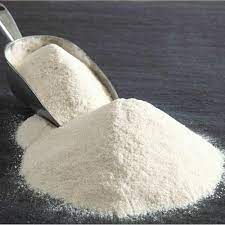
The global DL-Methionine Market report offers a comprehensive assessment of the market for the forecast years.
This globe industry offers an outlook on the strategic development of the market in terms of revenue profits over the forecast period 2021-2026.The key market players for the global DL-Methionine market are listed below: Evonik Sumitomo Chemical Adisseo Sichuan Hebang NOVUS Chongqing Unisplendour Chemical CJ Cheiljedang Corp OthersClick here to get a FREE Sample Copy of the DL-Methionine Market Research Report @ https://www.decisiondatabases.com/contact/download-sample-3707The Global DL-Methionine Market Report is equipped with market data from 2016 to 2026.
It also evaluates the competitive scenario of the leading players.
The report forecasts sales and revenue from 2021 to 2026.
The detailed sales channel is also covered in the study.COVID-19 Impact Analysis on DL-Methionine MarketThe global pandemic COVID-19 has affected the DL-Methionine market directly or indirectly.
The impact study on production, supply-demand, and sales provides a holistic approach to the future.Do You Have Any Query Or Report Customization?
This unique report on World DL-Methionine Market till 2025 presents quality data on the global market revenue, sales, growth rate and leading market players.
The supply chain analysis completes the DL-Methionine market understanding for a new entrant as well as existing players.
The import and export data along with consumption statistics from major countries is sure to enrich the strategists understanding of the market.DL-Methionine market research report provides the newest industry data and industry future trends, allowing you to identify the products and end users driving Revenue growth and profitability.The industry report lists the leading competitors and provides the insights strategic industry Analysis of the key factors influencing the market.The report includes the forecasts, Analysis and discussion of important industry trends, market size, market share estimates and profiles of the leading industry Players.Final Report will cover the impact of COVID-19 on this industry.Browse the complete report and table of contents @ https://www.decisiondatabases.com/ip/48057-world-dl-methionine-market-reportThe Players mentioned in our reportEvonikAdisseoSumitomo ChemicalNovus InternationalGlobal DL-Methionine Market: Application Segment AnalysisPoultryPorkRuminantAquaCompanion AnimalGlobal DL-Methionine Market: Regional Segment AnalysisUSAEuropeJapanChinaIndiaDownload Free Sample Report of World DL-Methionine Market @ https://www.decisiondatabases.com/contact/download-sample-48057There are 10 Chapters to deeply display the World DL-Methionine market.Chapter 1 About the DL-Methionine Industry Chapter 2 World Market Competition LandscapeChapter 3 World DL-Methionine Market shareChapter 4 Supply ChainChapter 5 Company ProfilesChapter 6 Globalisation & TradeChapter 7 Distributors and CustomersChapter 8 Import, Export, Consumption and Consumption Value by Major CountriesChapter 9 World DL-Methionine Market Forecast through 2025Chapter 10 Key success factors and Market Overview Purchase the complete World DL-Methionine Market Research Report @ https://www.decisiondatabases.com/contact/buy-now-48057 Other Reports by DecisionDatabases.com:World N-Acetyl-L-Methionine Market by Product Type, Market, Players and Regions-Forecast to 2025World Methionine Market Research Report 2025About-Us:DecisionDatabases.com is a global business research reports provider, enriching decision makers and strategists with qualitative statistics.
DecisionDatabases.com is proficient in providing syndicated research report, customized research reports, company profiles and industry databases across multiple domains.Our expert research analysts have been trained to map client’s research requirements to the correct research resource leading to a distinctive edge over its competitors.
We provide intellectual, precise and meaningful data at a lightning speed.For more details:DecisionDatabases.comE-Mail: sales@decisiondatabases.comPhone: +91 9028057900Web: https://www.decisiondatabases.com/