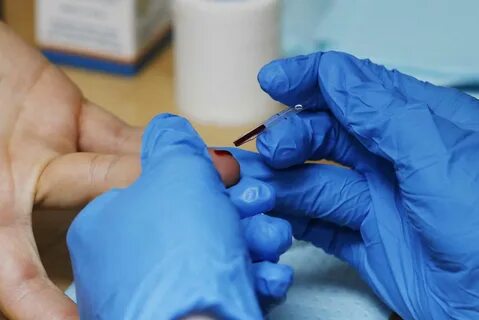
Preparing for a chlamydia test is an important step to ensure accurate results and a smooth testing experience. Many people are unsure what they need to do beforehand, but proper preparation can reduce anxiety, prevent errors, and help healthcare providers interpret results reliably. Understanding what to expect before a chlamydia test in Dubai empowers individuals to take control of their sexual health.
Why Preparation Matters?
Chlamydia testing relies on accurate detection of Chlamydia trachomatis bacteria. Proper preparation improves the reliability of test results by ensuring samples are collected correctly and bacterial levels are detectable.
Even minor actions, such as urinating immediately before a urine test, can affect the concentration of bacteria and potentially lead to inaccurate results. Preparation also helps you feel more confident and reduces stress during the testing process.
Know the Type of Test You Will Take:
Chlamydia tests can involve urine samples, vaginal or cervical swabs, urethral swabs, or swabs from the rectum or throat. Knowing which type of test you will have is the first step in preparation.
Urine tests are non-invasive and typically easy for both men and women, while swab tests may require more specific guidance. If you are unsure, consult your healthcare provider to understand which sample is best based on your sexual activity and possible exposure sites.
Follow Pre-Test Instructions:
For urine-based chlamydia tests, it is usually recommended to avoid urinating for at least one hour before providing a sample. This helps increase bacterial concentration in the urine and improves test accuracy.
Swab tests generally do not require special preparation, but it is important to follow any instructions provided by your clinic or test kit. Proper technique during self-collected swabs is critical for obtaining sufficient material for accurate analysis.
Avoid Interference With Results:
Certain actions may interfere with test accuracy. Avoid using douches, vaginal creams, lubricants, or antibiotics unless prescribed, as these can affect bacterial detection. Inform your healthcare provider about recent medications or ongoing treatments, as they may impact results.
Maintaining hygiene without over-cleaning or using products that disrupt natural bacterial levels is important in the hours before testing.
Gather Relevant Information:
Before your chlamydia test, it is helpful to gather information about your sexual history and potential exposures. Being honest about partners, symptoms, and timing of potential exposure ensures that healthcare providers can select the correct test type and sample site.
This information also helps interpret results accurately and determine whether follow-up testing may be necessary.
Manage Anxiety and Comfort:
Feeling anxious before a chlamydia test is common, especially for first-time testers. Preparing mentally and physically can reduce stress. Simple strategies include deep breathing, wearing comfortable clothing, and understanding the testing procedure in advance.
Remember that chlamydia testing is routine, confidential, and an essential part of responsible sexual health care.
Consider Timing After Exposure:
If you suspect recent exposure, timing your test is crucial. Testing too early may result in a false-negative result because the bacteria may not yet be detectable. Healthcare professionals generally recommend waiting at least 7–14 days after potential exposure before taking a test.
If you need testing sooner due to symptoms, be prepared for possible follow-up testing to confirm results.
Plan for Results and Next Steps:
Knowing what to do after your chlamydia test helps you feel prepared. Understand how results will be communicated, and be ready to follow recommended treatment or notify partners if the test is positive. Having a plan reduces stress and ensures timely care if needed.
Maintain Routine Screening Practices:
Preparation for a single test is important, but integrating regular chlamydia testing into your sexual health routine is equally crucial. Annual or more frequent testing, depending on risk factors, helps detect infections early and prevents complications.
Being proactive about routine screening complements proper pre-test preparation and promotes long-term sexual and reproductive health.
Final Thoughts on Chlamydia Test Preparation:
Proper preparation for a chlamydia test enhances accuracy, reduces stress, and ensures a smooth testing experience. Key steps include understanding the test type, following pre-test instructions, avoiding actions that interfere with results, and being honest about sexual history.
By preparing effectively, individuals can take control of their sexual health, maximize the reliability of their results, and take timely action to prevent complications or transmission. A well-prepared chlamydia test is a proactive step toward responsible, informed, and confident sexual health management.